• About
  • Masthead
  • License Content
  • Advertise
  • Submit Press Release
  • RSS/Email List
  • 2MM Podcast
  • Write for us
  • Contact Us
2 Minute Medicine
No Result
View All Result

No products in the cart.

SUBSCRIBE
  • Specialties
    • All Specialties, All Recent Reports
    • Cardiology
    • Chronic Disease
    • Dermatology
    • Emergency
    • Endocrinology
    • Gastroenterology
    • Imaging and Intervention
    • Infectious Disease
    • Nephrology
    • Neurology
    • Obstetrics
    • Oncology
    • Ophthalmology
    • Pediatrics
    • Pharma
    • Preclinical
    • Psychiatry
    • Public Health
    • Pulmonology
    • Rheumatology
    • Surgery
  • Tools
    • EvidencePulse™
    • RVU Search
    • NPI Registry Lookup
  • Pharma
  • AI News
  • The Scan+
  • Classics™+
    • 2MM+ Online Access
    • Paperback and Ebook
  • Rewinds
  • Partners
    • License Content
    • Submit Press Release
    • Advertise with Us
  • Account
    • Subscribe
    • Sign-in
    • My account
2 Minute Medicine
  • Specialties
    • All Specialties, All Recent Reports
    • Cardiology
    • Chronic Disease
    • Dermatology
    • Emergency
    • Endocrinology
    • Gastroenterology
    • Imaging and Intervention
    • Infectious Disease
    • Nephrology
    • Neurology
    • Obstetrics
    • Oncology
    • Ophthalmology
    • Pediatrics
    • Pharma
    • Preclinical
    • Psychiatry
    • Public Health
    • Pulmonology
    • Rheumatology
    • Surgery
  • Tools
    • EvidencePulse™
    • RVU Search
    • NPI Registry Lookup
  • Pharma
  • AI News
  • The Scan+
  • Classics™+
    • 2MM+ Online Access
    • Paperback and Ebook
  • Rewinds
  • Partners
    • License Content
    • Submit Press Release
    • Advertise with Us
  • Account
    • Subscribe
    • Sign-in
    • My account
SUBSCRIBE
2 Minute Medicine
Subscribe
Home All Specialties Chronic Disease

Brodmann area 25 may have role in causing peri-ictal systolic hypotension in patients with epilepsy

byShayna BejaimalandAnees Daud
December 6, 2017
in Chronic Disease, Emergency, Imaging and Intervention, Neurology, Surgery
Reading Time: 3 mins read
0
Share on FacebookShare on Twitter

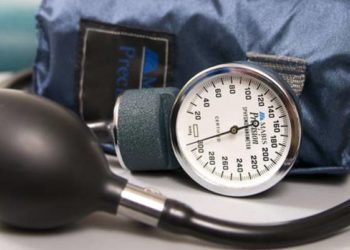
1. In this case series of 12 patients with intractable epilepsy, deep brain electrical stimulation of Brodmann area 25 resulted in significant and consistent decreases in systolic blood pressure as compared to no blood pressure changes when stimulating any other structure.

2. During Brodmann area 25 stimulation, diastolic arterial blood pressure was maintained thus indicating that the systolic reduction was likely due to decreased sympathetic drive resulting in decreased cardiac output as opposed to bradycardia or peripheral vasodilation-induced hypotension.

Evidence Rating Level: 3 (Average)

Study Rundown: Sudden unexpected death in epilepsy (SUDEP) is thought to be due to peri-ictal autonomic dysregulation that causes hypotension. Cortical blood pressure control sites that are inhibited during seizures may cause the hypotension. This case series aimed to identify cortical structures in the human brain that are associated with blood pressure control.

Electrical stimulation of Brodmann area 25, the rostral subcallosal neocortex, of the human brain was associated with significant and consistent decreases in systolic blood pressure in patients with intractable epilepsy. Maintenance of normal diastolic arterial pressure suggests that this reduction is due to reduced sympathetic drive as opposed to increased bradycardia or peripheral vasodilation. Deep brain electrical stimulation (DBES) of other identified structures did not induce systolic hypotension. Strengths of this study include direct stimulation and monitoring of blood pressure in cases, however without further study during SUDEP and this study’s small sample size, it is unclear if this may be the sole causative factor.

Click to read the study, published in JAMA Neurology

RELATED REPORTS

Efficiency of remote monitoring and guidance in blood pressure management

Becton Dickinson Unveils Artificial Intelligence Powered Monitor for Surgery

Blood pressure readings remain consistent in noisy and public settings

Relevant Reading: Sudden unexpected death in epilepsy: risk factors and potential pathomechanisms

In-Depth [case series]: This case series took place in the Epilepsy Monitoring Unit at the University Hospitals Cleveland Medical Centre from June 2015 to February 2017. Inclusion criteria were patients older than 18 with intractable epilepsy and intracranial electrodes implanted in one or more regions of interest (orbitofrontal, cingulate, subcallosal, insular, hippocampal, amygdala, temporal, motor, anterior cingulate cortices) and in whom DBES was indicated. The outcome of interest was continuous beat-by-beat blood pressure monitoring, with associated ECG, arterial oxygen saturation, ETCO2, nasal airflow and thoracoabdominal plethysmography monitoring. Stimulation occurred with the above monitoring at the bedside and went from an intensity of 1mA to a maximum of 10 mA. Stimulation was discontinued if seizure was induced. Invasive monitoring was used for blood pressure and the above. Paired-samples t test was used to compare stimulation blood pressure averages with baseline values. Strength of linear association was assessed by Pearson product moment correlation coefficient.

Twelve patients were included in this study, 7 of which were women; the mean (SD) age was 44.25 (12.55) years. 544 electrodes were in each of the areas of interest: 43 amygdala, 87 hippocampal, 16 insular, 31 orbitofrontal, 31 temporopolar, 296 lateral temporal, 4 basal temporal, 13 anterior cingulate, 2 posterior cingulate and 9 subcallosal neocortex (Brodmann area 25). All electrodes stimulated in Brodmann area 25 (of 4 patients) resulted in rapid and consistently reproducible decreases in systolic blood pressure of mean (SEM) drop of 15 (10-42) mm Hg. These decreases occurred within a mean (SEM) of 8.5 (1-14) seconds and began to increase in a mean (SEM) of 12 (1-47) seconds after stimulation was discontinued. No significant drops in diastolic pressure were observed. No significant drops in any blood pressure were observed during DBES of any other areas of interest.

Image: CC/Wiki

©2017 2 Minute Medicine, Inc. All rights reserved. No works may be reproduced without expressed written consent from 2 Minute Medicine, Inc. Inquire about licensing here. No article should be construed as medical advice and is not intended as such by the authors or by 2 Minute Medicine, Inc.

Tags: blood pressuredeep brain stimulation
Previous Post

2 Minute Medicine Rewind December 4, 2017

Next Post

Administering naloxone for opioid overdose reversal in out-of-hospital settings appears to be safe and effective

RelatedReports

Prevalence of hypertension among adolescents varies by race and BMI
Cardiology

Efficiency of remote monitoring and guidance in blood pressure management

August 13, 2025
Downward trend in mortality rate for antineutrophil cytoplasmic autoantibody-associated vasculitis
AI Roundup

Becton Dickinson Unveils Artificial Intelligence Powered Monitor for Surgery

May 28, 2025
UTI associated with increased risk of preeclampsia
Public Health

Blood pressure readings remain consistent in noisy and public settings

February 3, 2025
Out-of-hospital medication error rate unchanged in young children
Cardiology

Triplet therapy of telmisartan, amlodipine, and indapamide shows superior blood pressure control in hypertension management

October 31, 2024
Next Post
Participation in sports and exercise linked to lower opioid use

Administering naloxone for opioid overdose reversal in out-of-hospital settings appears to be safe and effective

Patient-reported outcomes differ significantly based on treatment in prostate cancer: The ProtecT trial

Biennial biopsies may be adequate for men under active surveillance for prostate cancer

High readmission rates after revascularization for peripheral arterial disease

2 Minute Medicine® is an award winning, physician-run, expert medical media company. Our content is curated, written and edited by practicing health professionals who have clinical and scientific expertise in their field of reporting. Our editorial management team is comprised of highly-trained MD physicians. Join numerous brands, companies, and hospitals who trust our licensed content.

Recent Reports

  • Apolipoprotein E mimetic peptide CN-105 may be safe and feasible for delirium prevention in older surgical patients
  • Emergency department screening tool predicts firearm violence risk
  • The risk of thiazide-associated hyponatremia may be greatest in older women
License Content
Terms of Use | Disclaimer
Cookie Policy
Privacy Statement (EU)
Disclaimer

The Classics in Medicine Paperback Released!

Over the past 30 years, the transition from print to digital media has contributed to an exponential increase in medical literature. In response, 2 Minute Medicine presents 160+ authoritative, physician-written summaries of the most cited landmark trials in medicine.

amazon-logo_blackGet-it-on-iBooks-badge

Click anywhere to close this announcement

  • Specialties
    • All Specialties, All Recent Reports
    • Cardiology
    • Chronic Disease
    • Dermatology
    • Emergency
    • Endocrinology
    • Gastroenterology
    • Imaging and Intervention
    • Infectious Disease
    • Nephrology
    • Neurology
    • Obstetrics
    • Oncology
    • Ophthalmology
    • Pediatrics
    • Pharma
    • Preclinical
    • Psychiatry
    • Public Health
    • Pulmonology
    • Rheumatology
    • Surgery
  • Tools
    • EvidencePulse™
    • RVU Search
    • NPI Registry Lookup
  • Pharma
  • AI News
  • The Scan
  • Classics™
    • 2MM+ Online Access
    • Paperback and Ebook
  • Rewinds
  • Partners
    • License Content
    • Submit Press Release
    • Advertise with Us
  • Account
    • Subscribe
    • Sign-in
    • My account
No Result
View All Result

© 2026 2 Minute Medicine, Inc. - Physician-written medical news.