• About
  • Masthead
  • License Content
  • Advertise
  • Submit Press Release
  • RSS/Email List
  • 2MM Podcast
  • Write for us
  • Contact Us
2 Minute Medicine
No Result
View All Result

No products in the cart.

SUBSCRIBE
  • About
  • Specialties
    • All Specialties, All Recent Reports
    • Cardiology
    • Chronic Disease
    • Dermatology
    • Emergency
    • Endocrinology
    • Gastroenterology
    • Imaging and Intervention
    • Infectious Disease
    • Nephrology
    • Neurology
    • Obstetrics
    • Oncology
    • Ophthalmology
    • Pediatrics
    • Pharma
    • Preclinical
    • Psychiatry
    • Public Health
    • Pulmonology
    • Rheumatology
    • Surgery
  • Tools+
    • EvidencePulse™
    • HypeCheck™
    • NPI Registry Lookup
    • RVU Search
  • Pharma
  • AI Roundup
  • The Scan+
  • Classics™+
    • 2MM+ Online Access
    • Paperback and Ebook
  • Rewinds
  • Partners
    • License Content
    • Submit Press Release
    • Advertise with Us
  • Account
    • Subscribe
    • My account
    • Cart
    • Sign-in
2 Minute Medicine
  • About
  • Specialties
    • All Specialties, All Recent Reports
    • Cardiology
    • Chronic Disease
    • Dermatology
    • Emergency
    • Endocrinology
    • Gastroenterology
    • Imaging and Intervention
    • Infectious Disease
    • Nephrology
    • Neurology
    • Obstetrics
    • Oncology
    • Ophthalmology
    • Pediatrics
    • Pharma
    • Preclinical
    • Psychiatry
    • Public Health
    • Pulmonology
    • Rheumatology
    • Surgery
  • Tools+
    • EvidencePulse™
    • HypeCheck™
    • NPI Registry Lookup
    • RVU Search
  • Pharma
  • AI Roundup
  • The Scan+
  • Classics™+
    • 2MM+ Online Access
    • Paperback and Ebook
  • Rewinds
  • Partners
    • License Content
    • Submit Press Release
    • Advertise with Us
  • Account
    • Subscribe
    • My account
    • Cart
    • Sign-in
SUBSCRIBE
2 Minute Medicine
Subscribe
Home All Specialties Cardiology

Cardio-oncology rehabilitation for cancer survivors promotes improvements in cardiorespiratory fitness — the CORE trial
byYasin AvciandYuchen Dai
October 26, 2023
in Cardiology, Oncology
Reading Time: 4 mins read
Share on FacebookShare on Twitter

1. The CORE trial showed that a cardio-oncology rehabilitation program demonstrated clinically significant enhancements in peak oxygen consumption in cancer survivors at significant cardiovascular risk when compared to community-based exercise training (CBET).

2. The center-based cardiac rehabilitation (CBCR) framework group also demonstrated superior improvements in quality of life (QOL), exercise adherence, health literacy, and cardiovascular risk factor (CVRF) control.

Evidence Rating Level: 1 (Excellent)

Study Rundown: Cancer survivors face an increased risk of non-cancer-related health problems, particularly cardiovascular diseases, due to factors like aging, cancer treatments, and cardiovascular side effects. Addressing cardiorespiratory fitness and controlling CVRFs in this population is significant. Exercise training is recommended for patients with cardiovascular diseases (CVDs), and a recent multidimensional model based on cardiac rehabilitation has been proposed for cancer patients. While physical exercise is a recognized strategy to improve cardiorespiratory fitness in cancer survivors, the effects of a comprehensive rehabilitation approach on those with previous cardiovascular disease or exposure to potentially cardiotoxic cancer treatments remain unclear. Thus, the CORE trial, a randomized clinical trial, was designed to assess the impact of a center-based cardiac rehabilitation program (CBCR) in comparison to usual care involving community-based exercise for high cardiovascular-risk cancer survivors. This study found that cancer survivors at high cardiovascular risk experienced greater improvements in their peak oxygen consumption (VO2) when participating in a cardio-oncology rehabilitation model compared to those who received standard care, which included a community-based exercise intervention. One limitation of this study is the small sample size, which reduces the strength and applicability of the findings to a wider population. In conclusion, the results highlight that combining a cardio-oncology program with cardiac rehabilitation infrastructure can optimize the benefits of exercise and lifestyle improvements for patients with complex healthcare needs, emphasizing the importance of policymakers and healthcare providers considering its incorporation into standard care with adequate coverage.

Click to read the study in JAMA Cardiology

Click to read an accompanying editorial in JAMA Cardiology

RELATED REPORTS

Surgery is associated with an increased quality of life in women with endometriosis

A cognitive rehabilitation program may improve cognitive performance in patients with long COVID

Thrombectomy may improve functional independence in acute ischemic stroke with medium vessel occlusion

Relevant Reading: Cardiovascular Risk Factors Are Associated With Future Cancer

In-Depth [randomized controlled trial]: This study was a prospective, single-center, randomized clinical trial (CORE trial) that took place between March 1, 2022 – March 31, 2022, and had a total of 75 adult cancer survivor participants who had exposure to cardiotoxic cancer treatment and/or previous cardiovascular disease. The study had a parallel 2-arm group design to investigate whether a two-month medically supervised cardio-oncology rehabilitation program could lead to improved cardiorespiratory fitness, better control of cardiovascular risk factors, enhanced QOL, and increased health literacy in high cardiovascular-risk cancer survivors compared to standard care involving CBET. Cancer survivors in the CBCR group received comprehensive outpatient cardiac rehabilitation, including exercise sessions led by physiotherapists, dynamic resistance exercises, nutritional guidance, psychological support, and health education, with a focus on cardiovascular risk factor management, as part of their standard care regimen. Within the CBET group, participants received nutritional and psychosocial support based on their physician’s assessment and standard care, along with two weekly exercise sessions conducted by a certified exercise physiologist at a community-based facility, with training intensity matching that of the CBCR group. The main outcome was cardiorespiratory fitness, measured by the change in peak VO2 from baseline to 8 weeks using a cardiopulmonary exercise test, with secondary measurements including muscle strength, cardiovascular risk factors, inflammation markers, QOL, and health literacy, all assessed at the start and end of the 8-week intervention at the hospital facilities over two non-consecutive days.

In the CBCR group, peak VO2 increased by a mean (SD) of 2.1 (2.8) mL/kg/min (P < 0.01), whereas in the CBET group, the increase was 0.8 (2.5) mL/kg/min (P = 0.07), resulting in a significant difference of 1.3 mL/kg/min (95% CI, 0.1-2.6 mL/kg/min; P = 0.03) between the two groups. There was also a greater improvement in CVRF control with the CBCR group. Compared to the CBET group, participants in the CBCR group experienced more significant improvements in systolic (mean [SD] change, −12.3 [11.8] mm Hg vs. −1.9 [12.9] mm Hg; P < 0.001) and diastolic (mean [SD] change, −5.0 [5.7] mm Hg vs. −0.5 [7.0] mm Hg; P = 0.003) blood pressure, heart rate, body composition (weight, BMI [mean (SD) change, −1.2 (0.9) vs. 0.2 (0.7); P < 0.001), lean and fat body mass, waist and hip circumference, daily physical activity (mean [SD] increase, 1035.2 [735.7] metabolic equivalents [METs]/min/week vs. 34.1 [424.4] METs/min/week; P < 0.001), and levels of total cholesterol, triglycerides, and low-density lipoprotein cholesterol.  There were also superior results in QOL, health literacy, and exercise adherence.

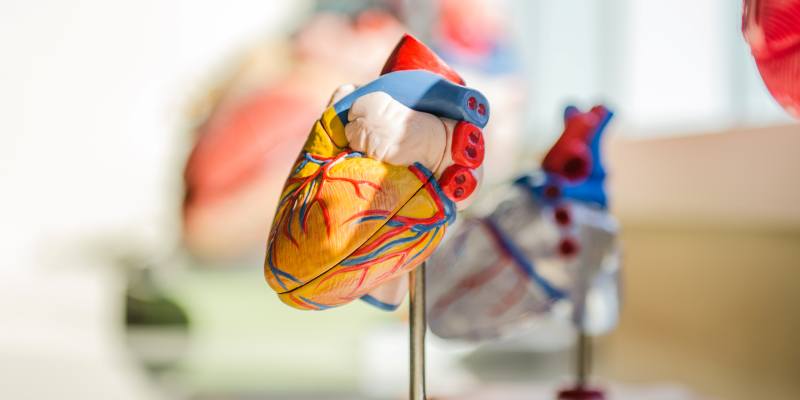
Image: PD

©2023 2 Minute Medicine, Inc. All rights reserved. No works may be reproduced without expressed written consent from 2 Minute Medicine, Inc. Inquire about licensing here. No article should be construed as medical advice and is not intended as such by the authors or by 2 Minute Medicine, Inc.

Tags: cardio-oncologycardiovascular risk factorscenter-based cardiac rehabilitationcommunity-based exercise trainingCOREquality of liferehabilitation
Previous Post

#VisualAbstract: Trial of Vancomycin and Cefazolin as Surgical Prophylaxis in Arthroplasty

Next Post

Symptom severity is associated with discrepancies between subjective and objective sleep measures in patients with non-seasonal depression

RelatedReports

Survival greater in cervical cancer patients undergoing abdominal hysterectomy compared to minimally invasive techniques: the LACC trial
Chronic Disease

Surgery is associated with an increased quality of life in women with endometriosis

August 11, 2026
Novel coronavirus identified from patients with pneumonia in Wuhan, China
Chronic Disease

A cognitive rehabilitation program may improve cognitive performance in patients with long COVID

July 28, 2026
No obesity paradox found between BMI, stroke, and death
Neurology

Thrombectomy may improve functional independence in acute ischemic stroke with medium vessel occlusion

May 26, 2026
Decreased expression of nasal ACE2 may be correlated with lower prevalence of COVID-19 in children
Chronic Disease

Fluvoxamine improves fatigue and quality of life in long COVID

March 30, 2026
Next Post
Social integration may reduce suicide risk in male health professionals

Symptom severity is associated with discrepancies between subjective and objective sleep measures in patients with non-seasonal depression

#VisualAbstract: Nivolumab plus Gemcitabine-Cisplatin in Advanced Urothelial Carcinoma

#VisualAbstract: Nivolumab plus Gemcitabine-Cisplatin in Advanced Urothelial Carcinoma

#VisualAbstract: Nivolumab plus Gemcitabine-Cisplatin in Advanced Urothelial Carcinoma

#VisualAbstract: Perioperative Durvalumab for Resectable Non-Small-Cell Lung Cancer

EvidencePulse™ by 2 Minute Medicine 2026 evidence scan 3 reports You asked top stroke trials 2026 Synthesizing medical evidence... Top 2026 stroke trial results: OCEANIC — ischemic stroke: 6.2% vs 8.4% OPTION* — mRS 0–1: 43.6% vs 34.2% ORIENTAL* — mRS 0–2: 58.6% vs 46.6% *Higher sICH in intervention arms Participants randomizedN OCEANIC 12,327 OPTION 570 ORIENTAL 564 Ask about guidelines or landmark trials... ↑ Try EvidencePulse™ Ask the evidence.
Get the signal.
Try it now → Physician-trained medical AI by 2 Minute Medicine

2MM+ All Access

Full details →
$4.99 /month

5-day free trial · cancel anytime

  • ✓100+ physician-written reports
  • ✓EvidencePulse™ + HypeCheck™
  • ✓Ad-free reading + newsletters
Start 5-day free trial

Then $4.99/month. Manage renewal in your account.

2 Minute Medicine® is an award winning, physician-run, expert medical media company. Our content is curated, written and edited by practicing health professionals who have clinical and scientific expertise in their field of reporting. Our editorial management team is comprised of highly-trained MD physicians. Join numerous brands, companies, and hospitals who trust our licensed content.

Recent Reports

  • Azacitidine–venetoclax improved event-free survival in induction-eligible AML
  • Bundibugyo Ebola outbreak surpasses 5,700 cases without a validated vaccine
  • Cognitive behaviour therapy may be superior to bright light therapy for insomnia in women with breast cancer undergoing chemotherapy
License Content
Terms of Use | Disclaimer
Cookie Policy
Cleantalk Pixel
  • About
  • Specialties
    • All Specialties, All Recent Reports
    • Cardiology
    • Chronic Disease
    • Dermatology
    • Emergency
    • Endocrinology
    • Gastroenterology
    • Imaging and Intervention
    • Infectious Disease
    • Nephrology
    • Neurology
    • Obstetrics
    • Oncology
    • Ophthalmology
    • Pediatrics
    • Pharma
    • Preclinical
    • Psychiatry
    • Public Health
    • Pulmonology
    • Rheumatology
    • Surgery
  • Tools
    • EvidencePulse™
    • HypeCheck™
    • NPI Registry Lookup
    • RVU Search
  • Pharma
  • AI Roundup
  • The Scan
  • Classics™
    • 2MM+ Online Access
    • Paperback and Ebook
  • Rewinds
  • Partners
    • License Content
    • Submit Press Release
    • Advertise with Us
  • Account
    • Subscribe
    • My account
    • Cart
    • Sign-in
No Result
View All Result

© 2026 2 Minute Medicine, Inc. - Physician-written medical news.

2MM+ All Access Full details →

The medical literature, distilled daily.

Monthly plan selected: $4.99 /month.

$4.99/month

5-day free trial · cancel anytime

Start 5-day free trial

Then $4.99/month. Manage renewal in your account.

Yearly plan selected: $49.90 /year.

$49.90/year

2 months free · only $4.16/month

Start 5-day free trial

Then $49.90/year. Manage renewal in your account.

Membership benefits

  • ✓100+ physician-written reports
  • ✓AI EvidencePulse™ + HypeCheck™
  • ✓Ad-free reading + newsletters

Already a member? Sign in