• About
  • Masthead
  • License Content
  • Advertise
  • Submit Press Release
  • RSS/Email List
  • 2MM Podcast
  • Write for us
  • Contact Us
2 Minute Medicine
No Result
View All Result

No products in the cart.

SUBSCRIBE
  • Specialties
    • All Specialties, All Recent Reports
    • Cardiology
    • Chronic Disease
    • Dermatology
    • Emergency
    • Endocrinology
    • Gastroenterology
    • Imaging and Intervention
    • Infectious Disease
    • Nephrology
    • Neurology
    • Obstetrics
    • Oncology
    • Ophthalmology
    • Pediatrics
    • Pharma
    • Preclinical
    • Psychiatry
    • Public Health
    • Pulmonology
    • Rheumatology
    • Surgery
  • Tools
    • EvidencePulse™
    • RVU Search
    • NPI Registry Lookup
  • Pharma
  • AI News
  • The Scan+
  • Classics™+
    • 2MM+ Online Access
    • Paperback and Ebook
  • Rewinds
  • Partners
    • License Content
    • Submit Press Release
    • Advertise with Us
  • Account
    • Subscribe
    • Sign-in
    • My account
2 Minute Medicine
  • Specialties
    • All Specialties, All Recent Reports
    • Cardiology
    • Chronic Disease
    • Dermatology
    • Emergency
    • Endocrinology
    • Gastroenterology
    • Imaging and Intervention
    • Infectious Disease
    • Nephrology
    • Neurology
    • Obstetrics
    • Oncology
    • Ophthalmology
    • Pediatrics
    • Pharma
    • Preclinical
    • Psychiatry
    • Public Health
    • Pulmonology
    • Rheumatology
    • Surgery
  • Tools
    • EvidencePulse™
    • RVU Search
    • NPI Registry Lookup
  • Pharma
  • AI News
  • The Scan+
  • Classics™+
    • 2MM+ Online Access
    • Paperback and Ebook
  • Rewinds
  • Partners
    • License Content
    • Submit Press Release
    • Advertise with Us
  • Account
    • Subscribe
    • Sign-in
    • My account
SUBSCRIBE
2 Minute Medicine
Subscribe
Home All Specialties Chronic Disease

Noninvasive ventilation techniques similar for preterm infants
bys25qthea
August 16, 2013
in Chronic Disease, Pediatrics, Pulmonology
Reading Time: 2 mins read
0
Share on FacebookShare on Twitter

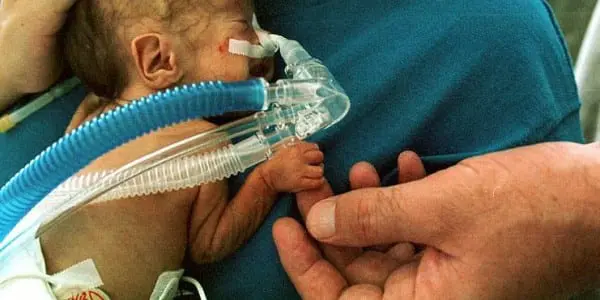
Image: PD 

1. Bronchopulmonary dysplasia (BPD) rates were similar in high-risk preterm infants treated with nasal intermittent positive pressure ventilation (IPPV) versus nasal continuous positive airway pressure (CPAP). 

2. Rates of neonatal complications were similar between the two groups as well. 

Evidence Rating Level: 1 (Excellent)       

Study Rundown: Bronchopulmonary dysplasia (BPD) is the most common complication in preterm infants and is a leading cause of early death. Tracheal intubation and mechanical ventilation is thought to increase lung inflammation and injury, altering normal lung development and leading to the development of BPD. Thus, lung protective ventilation such as nasal continuous positive airway pressure (CPAP) and intermittent positive-pressure ventilation (IPPV) have been increasingly used to decrease the incidence of BPD. Nasal IPPV is frequently chosen over CPAP, despite the lack of consistent evidence demonstrating its superiority. This study found that nasal IPPV and CPAP were associated with similar rates of BPD in preterm infants. A blinded standardized test was used in this trial to assess the development of BPD, allowing for a more consistent definition than that used in previous studies. However, differences still existed in device choice and the use of flow synchronization with IPPV. Larger randomized trials are needed to evaluate the differences between these various modes of ventilation.

Click to read the study in NEJM

RELATED REPORTS

Safety and efficacy of novel antibody-oligonucleotide therapy for myotonic dystrophy type 1

Self-reported fine motor ability is associated with higher life satisfaction in cervical spinal cord injury

Elevated blood pressure at discharge from delivery hospitalization predicts earlier admission postpartum

Relevant reading: Lung protective ventilation in extremely preterm infants

In-Depth [randomized controlled trial]: Infants with a birth weight of less than 1000 g and gestational age of less than 30 weeks were screened for eligibility at 34 tertiary care neonatal intensive care units in 10 countries. 1009 enrolled infants were randomized to treatment with nasal IPPV or nasal CPAP. Respiratory therapists who were blinded to group assignments assigned the diagnoses of BDP. The rate of death or BPD was 38.4% in infants treated with IPPV and 36.7% in infants treated with CPAP. The adjusted odds ratio was 1.09 (95% CI, 0.83 to 1.43).

58.3% of infants did not respond to noninvasive support and required intubation in the nasal IPPV group as compared to 59.1% in the nasal CPAP group. The two groups did not differ significantly in rates of complications due to treatment.

By Xu Gao and Mitalee Patil

© 2013 2minutemedicine.com. All rights reserved. No works may be reproduced without expressed written consent from 2minutemedicine.com. Disclaimer: We present factual information directly from peer reviewed medical journals. No post should be construed as medical advice and is not intended as such by the authors, editors, staff or by 2minutemedicine.com. PLEASE SEE A HEALTHCARE PROVIDER IN YOUR AREA IF YOU SEEK MEDICAL ADVICE OF ANY SORT. 

Previous Post

Study suggests general surgery residency graduates unprepared for fellowship

Next Post

Beating human heart tissue engineered on decellularized mouse hearts

RelatedReports

Niraparib may lengthen progression-free survival for patients with recurrent ovarian cancer
Chronic Disease

Safety and efficacy of novel antibody-oligonucleotide therapy for myotonic dystrophy type 1

February 25, 2026
Traumatic spinal cord injury rates remain stable in the United States
Chronic Disease

Self-reported fine motor ability is associated with higher life satisfaction in cervical spinal cord injury

February 24, 2026
UTI associated with increased risk of preeclampsia
Chronic Disease

Elevated blood pressure at discharge from delivery hospitalization predicts earlier admission postpartum

February 23, 2026
Increased risk of stillbirth recurrence after a previous stillbirth
Chronic Disease

Physicians slightly more likely to die at home or hospice

February 23, 2026
Next Post
Antidepressant may reduce mental stress-induced myocardial ischemia (REMIT Trial)

Beating human heart tissue engineered on decellularized mouse hearts

The ESPRIT trial: Aspirin with dipyridamole after cerebral ischemia [Classics Series]

Industry influences on expert panels contribute to over-diagnosis

Industry influences on expert panels contribute to over-diagnosis

2 Minute Medicine® is an award winning, physician-run, expert medical media company. Our content is curated, written and edited by practicing health professionals who have clinical and scientific expertise in their field of reporting. Our editorial management team is comprised of highly-trained MD physicians. Join numerous brands, companies, and hospitals who trust our licensed content.

Recent Reports

  • Safety and efficacy of novel antibody-oligonucleotide therapy for myotonic dystrophy type 1
  • Self-reported fine motor ability is associated with higher life satisfaction in cervical spinal cord injury
  • Elevated blood pressure at discharge from delivery hospitalization predicts earlier admission postpartum
License Content
Terms of Use | Disclaimer
Cookie Policy
Privacy Statement (EU)
Disclaimer

© 2025 2 Minute Medicine, Inc. - Physician-written medical news.

  • Specialties
    • All Specialties, All Recent Reports
    • Cardiology
    • Chronic Disease
    • Dermatology
    • Emergency
    • Endocrinology
    • Gastroenterology
    • Imaging and Intervention
    • Infectious Disease
    • Nephrology
    • Neurology
    • Obstetrics
    • Oncology
    • Ophthalmology
    • Pediatrics
    • Pharma
    • Preclinical
    • Psychiatry
    • Public Health
    • Pulmonology
    • Rheumatology
    • Surgery
  • Tools
    • EvidencePulse™
    • RVU Search
    • NPI Registry Lookup
  • Pharma
  • AI News
  • The Scan
  • Classics™
    • 2MM+ Online Access
    • Paperback and Ebook
  • Rewinds
  • Partners
    • License Content
    • Submit Press Release
    • Advertise with Us
  • Account
    • Subscribe
    • Sign-in
    • My account
No Result
View All Result

© 2025 2 Minute Medicine, Inc. - Physician-written medical news.