

• About
  • Masthead
  • License Content
  • Advertise
  • Submit Press Release
  • RSS/Email List
  • 2MM Podcast
  • Write for us
  • Contact Us
2 Minute Medicine
No Result
View All Result

No products in the cart.

SUBSCRIBE
  • About
  • Specialties
    • All Specialties, All Recent Reports
    • Cardiology
    • Chronic Disease
    • Dermatology
    • Emergency
    • Endocrinology
    • Gastroenterology
    • Imaging and Intervention
    • Infectious Disease
    • Nephrology
    • Neurology
    • Obstetrics
    • Oncology
    • Ophthalmology
    • Pediatrics
    • Pharma
    • Preclinical
    • Psychiatry
    • Public Health
    • Pulmonology
    • Rheumatology
    • Surgery
  • Tools+
    • EvidencePulse™
    • HypeCheck™
    • NPI Registry Lookup
    • RVU Search
  • Pharma
  • AI Roundup
  • The Scan+
  • Classics™+
    • 2MM+ Online Access
    • Paperback and Ebook
  • Rewinds
  • Partners
    • License Content
    • Submit Press Release
    • Advertise with Us
  • Account
    • Subscribe
    • My account
    • Cart
    • Sign-in
2 Minute Medicine
  • About
  • Specialties
    • All Specialties, All Recent Reports
    • Cardiology
    • Chronic Disease
    • Dermatology
    • Emergency
    • Endocrinology
    • Gastroenterology
    • Imaging and Intervention
    • Infectious Disease
    • Nephrology
    • Neurology
    • Obstetrics
    • Oncology
    • Ophthalmology
    • Pediatrics
    • Pharma
    • Preclinical
    • Psychiatry
    • Public Health
    • Pulmonology
    • Rheumatology
    • Surgery
  • Tools+
    • EvidencePulse™
    • HypeCheck™
    • NPI Registry Lookup
    • RVU Search
  • Pharma
  • AI Roundup
  • The Scan+
  • Classics™+
    • 2MM+ Online Access
    • Paperback and Ebook
  • Rewinds
  • Partners
    • License Content
    • Submit Press Release
    • Advertise with Us
  • Account
    • Subscribe
    • My account
    • Cart
    • Sign-in
SUBSCRIBE
2 Minute Medicine
Subscribe
EvidencePulse™ by 2 Minute Medicine 2026 evidence scan 3 reports You asked top stroke trials 2026 Synthesizing medical evidence... Top 2026 stroke trial results: OCEANIC — ischemic stroke: 6.2% vs 8.4% OPTION* — mRS 0–1: 43.6% vs 34.2% ORIENTAL* — mRS 0–2: 58.6% vs 46.6% *Higher sICH in intervention arms Participants randomizedN OCEANIC 12,327 OPTION 570 ORIENTAL 564 Ask about guidelines or landmark trials... ↑ Try EvidencePulse™ Ask the evidence.
Get the signal.
Try it now → Physician-trained medical AI by 2 Minute Medicine
Home All Specialties Gastroenterology

Prevalence of toxigenic and non-toxigenic asymptomatic Clostridioides difficile colonization in pediatric populations
byMeagan WiedermanandMichael Pratte
August 4, 2021
in Gastroenterology, Infectious Disease, Pediatrics
Reading Time: 4 mins read
Quick Take: Cadazolid for the treatment of Clostridium difficile infection: results of two double-blind, placebo-controlled, non-inferiority, randomised phase 3 trials
Share on FacebookShare on Twitter

1. Asymptomatic Clostridioides difficile occurred in non-toxigenic strains in 41% and toxigenic strains in 14% of 6 – 12-months-olds. Non-toxigenic C difficile was least prevalent (12%) in 5 – 18-year-olds, while toxigenic C difficile was least prevalent (3%) in 1 – 3-month-olds.

2. Testing method, income bracket, year, treatment, cancer status, and delivery method did not affect the prevalence of non-toxigenic or toxigenic C difficile.

Evidence Rating Level: 1 (Excellent)

Study Rundown: While previously Clostridioides difficile infection was thought to be a disease of adults, the frequency of C difficile infections, hospitalizations, and adverse outcomes in children has increased. 0% to 75% of children <1 year old may have stools which contain C difficile (“colonized”) but who are not infected (asymptomatic). This study quantified the prevalence of non-toxigenic and toxigenic C difficile in asymptomatic children. The study compared these rates by testing method, region, income, year, treatment, food, and mode of delivery at birth. “C difficile” and “colonization” or “prevalence” terms were searched in databases to pool bias-reviewed, eligible articles. 95 sets of data pooled 19,186 participants who were mainly young (<2) or older (10-18) healthy children. C difficile was most prevalent in the 6 – 12-months-olds for 41% non-toxigenic strains and 14% for toxigenic strains. The prevalence decreased with age (12% of 5 – 18-year-olds) or youth (3% of 1 – 3-month-olds) for non-toxigenic and toxigenic strains, respectively. Testing method, income bracket, year, treatment, cancer status, and delivery method did not affect the prevalence of non-toxigenic or toxigenic C difficile. C difficile was more prevalent in North and South America than Europe or the Western Pacific region and had more toxigenic strains. It was found that 42 studies had at least one concern of quality, which may affect the results of the metanalysis that included them. Additionally, there was likely heterogeneity of the included studies’ definitions of asymptomatic C difficile infection. Another limitation of this metanalysis was the insufficient data for statistical analysis of subgroups stratified by risk factor, causing this metanalysis to be underpowered, especially for the subgroup analysis. One reason there was insufficient data is that C difficile infection was not a primary outcome of every study included and that some data such as age was estimated.

Click to read the study in JAMA Pediatrics

Relevant Reading: Multicenter Prevalence Study Comparing Molecular and Toxin Assays for Clostridioides difficile Surveillance, Switzerland

RELATED REPORTS

Video mental health care may have clinical advantages versus phone or in-person visits

Higher maternal body mass index is associated with increased risk of cardiovascular disease in offspring

Transanastomotic tubes not linked to anastomotic stricture after esophageal atresia repair

In-Depth [systematic review and meta-analysis]: The Cochrane Central Register of Controlled Trials, MEDLINE, Embase, CINAHL, Scopus, and the Web of Science were searched with terms related to “C difficile” and either “colonization” or “prevalence” for articles published from January 1, 1990, to December 31, 2020, in any language. Two reviewers chose eligible articles that reported the rate of asymptomatic (absence of diarrhea) children (<18 years) who tested positive for C difficile using any of: culture, polymerase chain reaction (PCR), enzyme-linked immunoassay, enzyme immunoassay (EIA), or cytotoxin assay. Of 320 identified articles, 94 studies and 1 unpublished data set met the inclusion criteria and had unique participants (73% cross-sectional, 19% prospective longitudinal, 1% longitudinal, cross-sectional, 3% retrospective cohort, and 4% clinical trials). These studies mainly sampled from the community (n = 42), hospital (n = 31), or neonatal intensive care unit (n = 6), or a mixture thereof. The pooled study cohort featured 19,186 participants from 40 countries. 55% of the studies had low-risk of bias from study questions. 88 studies had low-risk of bias on recruitment, while 15 studies were susceptible to bias as they represented niche populations. 80 studies fully described the participants and setting, while 11 failed to sufficiently report these details. 3 studies featured discrepancies between their written and numerical data. 9 studies did not report on confounding factors and 2 studies had explicit confounders as they included participants with non-diarrheal gastrointestinal symptoms in their asymptomatic group. The greatest prevalence of C difficile was among 6 – 12-months-olds (41%; 95% CI, 32%- 50%), while the lowest was those 5 – 18 years old (12%; 95%CI, 7%-18%). Of these, the greatest portion that were toxigenic C difficile were among the 6 – 12-month-olds (14%; 95% CI, 8%-21%), while the lowest were the 1 – 3-month-olds (3%; 95% CI, 1%-5%). C difficile was not differently detected in culture compared to EIA (β, −0.178; P = 0.051) or PCR (β, 0.069; P = 0.052). C difficile was more prevalent in North and South America than Europe (β, −0.151; P = 0.001) and the Western Pacific region (β, 0.136; P = 0.008) with more toxigenic strains (β, 0.079; P = .02; β, 0.095; P = 0.004, respectively). C difficile prevalence was not different between low- and high-income brackets (β, −0.144, P = 0.23) or middle- and high-income brackets (β, −0.020, P = 0.64). In patients taking antibiotics, C difficile was detected 10.5 – 100% of cases where 5 – 37.5% were toxigenic strains, compared to 4.8 – 100% and 2.7 – 31.3% of non-antibiotic users, respectively. For babies with low birth weight, C difficile infection ranged from 14 – 70% for non-toxigenic strains and 0 – 26% for toxigenic strains. 2.7 – 48.2% of breastfed infants had asymptomatic C difficile, where 0.9 – 17.8% had a toxigenic strain, compared to 4.5 – 83.3% of formula-fed infants, where 9.1 – 22.2% were toxigenic. For vaginally delivered infants, 9.1 – 62.5% were colonized with C difficile, with 12 – 43.8% being toxigenic, similar to the rate in cesarean section-delivered infants of 8.4 – 71.1% where 7.4 – 13.5% were toxigenic.

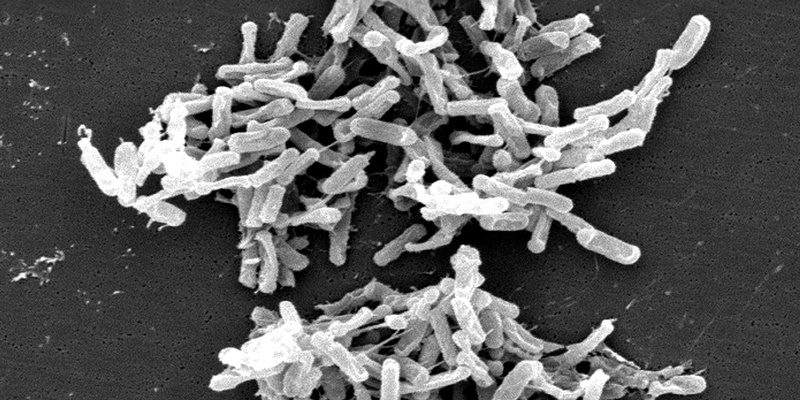
Image: PD

©2021 2 Minute Medicine, Inc. All rights reserved. No works may be reproduced without expressed written consent from 2 Minute Medicine, Inc. Inquire about licensing here. No article should be construed as medical advice and is not intended as such by the authors or by 2 Minute Medicine, Inc.


Previous Post

Disproportionately higher mortality from gastrointestinal congenital anomalies among lower income countries

Next Post

Insufficient evidence for using muscle relaxants to effectively relieve lower back pain

RelatedReports

Chronic Disease

Video mental health care may have clinical advantages versus phone or in-person visits

September 12, 2026
Behavioral dysregulation in infancy predicts later child mental health
Cardiology

Higher maternal body mass index is associated with increased risk of cardiovascular disease in offspring

September 12, 2026
Surgery

Transanastomotic tubes not linked to anastomotic stricture after esophageal atresia repair

September 11, 2026
Artificial Intelligence

Artificial intelligence (AI) chatbot reduced depression, anxiety, and eating disorder risk symptoms

September 11, 2026
Next Post
Implementation of pneumococcal vaccine programs linked to decreased antibiotic prescription

Insufficient evidence for using muscle relaxants to effectively relieve lower back pain

Drug-coated balloons are noninferior to drug-eluting stents for treatment of small vessel coronary artery disease

Complete revascularization guided by fractional flow reserve not superior to angiography

Shared decision-making tool for antidepressants improves patient and physician satisfaction

Wellness Check: Mental Health

EvidencePulse™ by 2 Minute Medicine 2026 evidence scan 3 reports You asked top stroke trials 2026 Synthesizing medical evidence... Top 2026 stroke trial results: OCEANIC — ischemic stroke: 6.2% vs 8.4% OPTION* — mRS 0–1: 43.6% vs 34.2% ORIENTAL* — mRS 0–2: 58.6% vs 46.6% *Higher sICH in intervention arms Participants randomizedN OCEANIC 12,327 OPTION 570 ORIENTAL 564 Ask about guidelines or landmark trials... ↑ Try EvidencePulse™ Ask the evidence.
Get the signal.
Try it now → Physician-trained medical AI by 2 Minute Medicine

2MM+ All Access

Full details →
$4.99 /month

5-day free trial · cancel anytime

  • ✓100+ physician-written reports
  • ✓EvidencePulse™ + HypeCheck™
  • ✓Ad-free reading + newsletters
Start 5-day free trial

Then $4.99/month. Manage renewal in your account.

2 Minute Medicine® is an award winning, physician-run, expert medical media company. Our content is curated, written and edited by practicing health professionals who have clinical and scientific expertise in their field of reporting. Our editorial management team is comprised of highly-trained MD physicians. Join numerous brands, companies, and hospitals who trust our licensed content.

Recent Reports

  • Video mental health care may have clinical advantages versus phone or in-person visits
  • Higher maternal body mass index is associated with increased risk of cardiovascular disease in offspring
  • Transanastomotic tubes not linked to anastomotic stricture after esophageal atresia repair
License Content
Terms of Use | Disclaimer
Cookie Policy
Cleantalk Pixel
2MM+ All Access Full details →

The medical literature, distilled daily.

Monthly plan selected: $4.99 /month.

$4.99/month

5-day free trial · cancel anytime

Start 5-day free trial

Then $4.99/month. Manage renewal in your account.

Yearly plan selected: $49.90 /year.

$49.90/year

2 months free · only $4.16/month

Start 5-day free trial

Then $49.90/year. Manage renewal in your account.

Membership benefits

  • ✓100+ physician-written reports
  • ✓AI EvidencePulse™ + HypeCheck™
  • ✓Ad-free reading + newsletters

Already a member? Sign in

  • About
  • Specialties
    • All Specialties, All Recent Reports
    • Cardiology
    • Chronic Disease
    • Dermatology
    • Emergency
    • Endocrinology
    • Gastroenterology
    • Imaging and Intervention
    • Infectious Disease
    • Nephrology
    • Neurology
    • Obstetrics
    • Oncology
    • Ophthalmology
    • Pediatrics
    • Pharma
    • Preclinical
    • Psychiatry
    • Public Health
    • Pulmonology
    • Rheumatology
    • Surgery
  • Tools
    • EvidencePulse™
    • HypeCheck™
    • NPI Registry Lookup
    • RVU Search
  • Pharma
  • AI Roundup
  • The Scan
  • Classics™
    • 2MM+ Online Access
    • Paperback and Ebook
  • Rewinds
  • Partners
    • License Content
    • Submit Press Release
    • Advertise with Us
  • Account
    • Subscribe
    • My account
    • Cart
    • Sign-in
No Result
View All Result

© 2026 2 Minute Medicine, Inc. - Physician-written medical news.