• About
  • Masthead
  • License Content
  • Advertise
  • Submit Press Release
  • RSS/Email List
  • 2MM Podcast
  • Write for us
  • Contact Us
2 Minute Medicine
No Result
View All Result

No products in the cart.

SUBSCRIBE
  • Specialties
    • All Specialties, All Recent Reports
    • Cardiology
    • Chronic Disease
    • Dermatology
    • Emergency
    • Endocrinology
    • Gastroenterology
    • Imaging and Intervention
    • Infectious Disease
    • Nephrology
    • Neurology
    • Obstetrics
    • Oncology
    • Ophthalmology
    • Pediatrics
    • Pharma
    • Preclinical
    • Psychiatry
    • Public Health
    • Pulmonology
    • Rheumatology
    • Surgery
  • Tools
    • EvidencePulse™
    • RVU Search
    • NPI Registry Lookup
  • Pharma
  • AI News
  • The Scan+
  • Classics™+
    • 2MM+ Online Access
    • Paperback and Ebook
  • Rewinds
  • Partners
    • License Content
    • Submit Press Release
    • Advertise with Us
  • Account
    • Subscribe
    • Sign-in
    • My account
2 Minute Medicine
  • Specialties
    • All Specialties, All Recent Reports
    • Cardiology
    • Chronic Disease
    • Dermatology
    • Emergency
    • Endocrinology
    • Gastroenterology
    • Imaging and Intervention
    • Infectious Disease
    • Nephrology
    • Neurology
    • Obstetrics
    • Oncology
    • Ophthalmology
    • Pediatrics
    • Pharma
    • Preclinical
    • Psychiatry
    • Public Health
    • Pulmonology
    • Rheumatology
    • Surgery
  • Tools
    • EvidencePulse™
    • RVU Search
    • NPI Registry Lookup
  • Pharma
  • AI News
  • The Scan+
  • Classics™+
    • 2MM+ Online Access
    • Paperback and Ebook
  • Rewinds
  • Partners
    • License Content
    • Submit Press Release
    • Advertise with Us
  • Account
    • Subscribe
    • Sign-in
    • My account
SUBSCRIBE
2 Minute Medicine
Subscribe
Home All Specialties Pediatrics

Social robots increase joy, decrease sadness in hospitalized pediatric patients

byStephanie Harlow, MDandCordelia Ross
June 26, 2019
in Pediatrics, Psychiatry, Public Health
Reading Time: 3 mins read
0
Share on FacebookShare on Twitter

1. In this randomized control trial, researchers discovered that social robots were associated with improved affect in pediatric hospitalized patients as compared to plush toys.

2. The social robot intervention was associated with increased level of joyfulness and decreased levels of sadness as compared to a tablet-based avatar of a bear or a plush teddy bear.

Evidence Rating Level: 1 (Excellent)      

Study Rundown: Though the use of robotics is expanding throughout medicine, the feasibility of social robots in inpatient pediatric settings for affect regulation has yet to be explored. In this study, researchers analyzed the feasibility, acceptability, and efficacy of social robots in inpatient pediatric settings to improve patient affect. Researchers compared the social robot intervention to both a tablet-based avatar of a bear and a plush teddy bear. Though researchers found some limitations to the intervention, largely related to implementation of the technology, there was overall acceptability given the high participation rate and reported desire to interact with the social robots again. There was a statistically significant difference in affect between children assigned to the social robot intervention and those assigned to the plush toy intervention: those interacting with the social robot reported a significantly more positive affect. Social robots were also associated with increased level of joyfulness and decreased levels of sadness as compared to a tablet-based avatar of a bear or a plush teddy bear. Though the study is limited by its small sample size and the intervention itself limited by feasibility, particularly in low resource settings, it does offer a novel intervention which demonstrated unique efficacy for supporting hospitalized pediatric patients through emotionally challenging circumstances.

Click here to read the original article, published today in Pediatrics

Relevant Reading: Can social robots help children in healthcare contexts? A scoping review

RELATED REPORTS

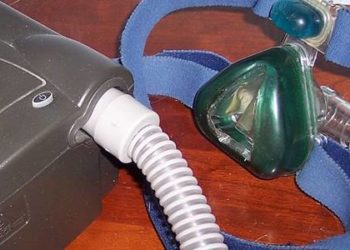
Middle-aged and older Canadians at high risk of obstructive sleep apnea may have worse mental health outcomes

Federal Drug Administration approves Alzheimer’s blood test for use in primary care

Wegovy survey finds decline in constant food thoughts and improved well being

In-Depth [randomized controlled trial]: In this study, 68 pediatric inpatients between ages 3 and 10 years, hospitalized for both medical and surgical reasons, were initially deemed eligible to participate; 54 patient ultimately consented and participated. Patients were divided into 3 study categories, including a tele-operated Huggable robot (N = 18), a tablet version of the same robot which was able to interact but lacked a physical presence (avatar, N = 17), and a plush teddy bear without interactive capabilities (N = 19). The authors note specific qualitative challenges with feasibility, such as video recording issues and child or parent participation refusal. They also noted a much longer intervention time with the social robot and avatar (robot: mean = 26.4 minutes, SD = 17.0; avatar: mean = 21.7, SD = 11.4) in comparison to the plush toy (mean = 7.8, SD 5.1). The robot and the avatar were of similar acceptability to patients, with 93% of patient stating the robot was “fun” and 92% requesting to play with the robot again (avatar: “fun” = 94%, play again = 92%; plush: “fun” = 75%, play again = 63%). The robot was associated with a significant increase in participants’ reported positive affect as compared to the plush toy (robot PANAS-C-positive mean = 4.56, plush mean 3.39, p < .05). Additionally, joyful expressions demonstrated a statistically significant increase across the 3 interventions (robot > avatar > plush; p = .003), as did agreeable expressions (robot > avatar > plush; p= .001). Expressions of sadness showed a statistically significant decrease across the three interventions (robot < avatar < plush; p = .026).

Image: PD

©2019 2 Minute Medicine, Inc. All rights reserved. No works may be reproduced without expressed written consent from 2 Minute Medicine, Inc. Inquire about licensing here. No article should be construed as medical advice and is not intended as such by the authors or by 2 Minute Medicine, Inc.

Tags: avatarmental healthsadnesssocial robot
Previous Post

#VisualAbstract: Incidence of Herpes Zoster Among Children: 2003–2014

Next Post

Quick Take: Suicide in older adults living in or transitioning to residential long-term care, 2003 to 2015

RelatedReports

Admission may not be needed following sleep apnea surgery
Chronic Disease

Middle-aged and older Canadians at high risk of obstructive sleep apnea may have worse mental health outcomes

January 12, 2026
FDA-regulated clinical trials rarely report violations
The Scan by 2 Minute Medicine®

Federal Drug Administration approves Alzheimer’s blood test for use in primary care

October 22, 2025
Lower vulvar cancer-related mortality in African Americans
Pharma

Wegovy survey finds decline in constant food thoughts and improved well being

September 24, 2025
The Scan by 2 Minute Medicine®:  Ultra-Trail du Mont-Blanc, Taylor Swift, NBA rookie Chet Holmgren and Magic Mushrooms!
Cardiology

The Scan by 2 Minute Medicine®: Beta blockers trend, The Rock’s leaner look, UK targets teen caffeine, and kids’ diets under pressure

September 9, 2025
Next Post
Poor olfaction linked to increased mortality in older adults

Quick Take: Suicide in older adults living in or transitioning to residential long-term care, 2003 to 2015

2 Minute Medicine Rewind May 20, 2019

Defining airflow obstruction as FEV1:FVC of less than 0.70 optimal compared to other fixed thresholds for COPD

The MR-INFORM trial: fewer patients undergo revascularization when coronary perfusion is assessed with MRI compared to invasive angiography

The MR-INFORM trial: fewer patients undergo revascularization when coronary perfusion is assessed with MRI compared to invasive angiography

2 Minute Medicine® is an award winning, physician-run, expert medical media company. Our content is curated, written and edited by practicing health professionals who have clinical and scientific expertise in their field of reporting. Our editorial management team is comprised of highly-trained MD physicians. Join numerous brands, companies, and hospitals who trust our licensed content.

Recent Reports

  • Functional recovery after maternal ischemic stroke may be commonly favourable
  • Faster correction of severe hyponatremia reduces death and neurologic events
  • Sustained participation in hospital-based intervention programs reduces future community violence
License Content
Terms of Use | Disclaimer
Cookie Policy
Privacy Statement (EU)
Disclaimer

© 2025 2 Minute Medicine, Inc. - Physician-written medical news.

  • Specialties
    • All Specialties, All Recent Reports
    • Cardiology
    • Chronic Disease
    • Dermatology
    • Emergency
    • Endocrinology
    • Gastroenterology
    • Imaging and Intervention
    • Infectious Disease
    • Nephrology
    • Neurology
    • Obstetrics
    • Oncology
    • Ophthalmology
    • Pediatrics
    • Pharma
    • Preclinical
    • Psychiatry
    • Public Health
    • Pulmonology
    • Rheumatology
    • Surgery
  • Tools
    • EvidencePulse™
    • RVU Search
    • NPI Registry Lookup
  • Pharma
  • AI News
  • The Scan
  • Classics™
    • 2MM+ Online Access
    • Paperback and Ebook
  • Rewinds
  • Partners
    • License Content
    • Submit Press Release
    • Advertise with Us
  • Account
    • Subscribe
    • Sign-in
    • My account
No Result
View All Result

© 2025 2 Minute Medicine, Inc. - Physician-written medical news.