

• About
  • Masthead
  • License Content
  • Advertise
  • RSS/Email List
  • 2MM Podcast
  • Write for us
  • Contact Us
2 Minute Medicine
No Result
View All Result

No products in the cart.

Sign in
SUBSCRIBE
  • About
  • Specialties
    • All Specialties, All Recent Reports
    • Cardiology
    • Chronic Disease
    • Dermatology
    • Emergency
    • Endocrinology
    • Gastroenterology
    • Imaging and Intervention
    • Infectious Disease
    • Nephrology
    • Neurology
    • Obstetrics
    • Oncology
    • Ophthalmology
    • Pediatrics
    • Pharma
    • Preclinical
    • Psychiatry
    • Public Health
    • Pulmonology
    • Rheumatology
    • Surgery
  • Tools+
    • EvidencePulse™
    • HypeCheck™
    • NPI Registry Lookup
    • RVU Search
  • Pharma
  • AI Roundup
  • The Scan+
  • Classics™+
    • 2MM+ Online Access
    • Paperback and Ebook
  • Rewinds
  • Partners
    • License Content
    • Advertise with Us
2 Minute Medicine
  • About
  • Specialties
    • All Specialties, All Recent Reports
    • Cardiology
    • Chronic Disease
    • Dermatology
    • Emergency
    • Endocrinology
    • Gastroenterology
    • Imaging and Intervention
    • Infectious Disease
    • Nephrology
    • Neurology
    • Obstetrics
    • Oncology
    • Ophthalmology
    • Pediatrics
    • Pharma
    • Preclinical
    • Psychiatry
    • Public Health
    • Pulmonology
    • Rheumatology
    • Surgery
  • Tools+
    • EvidencePulse™
    • HypeCheck™
    • NPI Registry Lookup
    • RVU Search
  • Pharma
  • AI Roundup
  • The Scan+
  • Classics™+
    • 2MM+ Online Access
    • Paperback and Ebook
  • Rewinds
  • Partners
    • License Content
    • Advertise with Us
Sign in
SUBSCRIBE
2 Minute Medicine
Sign in
Subscribe
EvidencePulse™ by 2 Minute Medicine 2026 evidence scan 3 reports You asked top stroke trials 2026 Synthesizing medical evidence... Top 2026 stroke trial results: OCEANIC — ischemic stroke: 6.2% vs 8.4% OPTION* — mRS 0–1: 43.6% vs 34.2% ORIENTAL* — mRS 0–2: 58.6% vs 46.6% *Higher sICH in intervention arms Participants randomizedN OCEANIC 12,327 OPTION 570 ORIENTAL 564 Ask about guidelines or landmark trials... ↑ Try EvidencePulse™ Ask the evidence.
Get the signal.
Try it now → Physician-trained medical AI by 2 Minute Medicine
Home Weekly Rewinds

2 Minute Medicine Rewind November 28, 2016
byGrace YuandDavid Ouyang
December 8, 2016
in Weekly Rewinds
Reading Time: 4 mins read
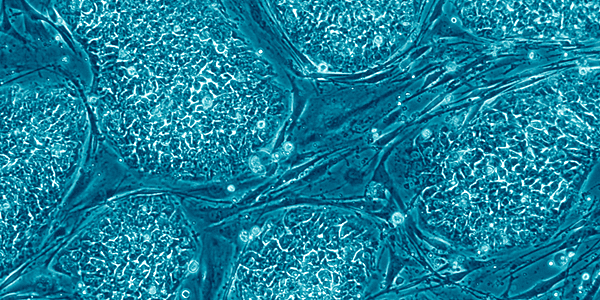
Engineered stem cells mitigate liver damage caused by radiation [PreClinical]
Share on FacebookShare on TwitterShare on LinkedIn

Efficacy, safety, and tolerability of lacosamide monotherapy versus controlled-release carbamazepine in patients with newly diagnosed epilepsy

Epilepsy affects approximately 65 million people worldwide, and 1 in 26 people will develop epilepsy in their lifetime. Although lacosamide has been used more commonly as an adjunctive therapy for partial-onset seizures, limited information is known about its use as a monotherapy. In this phase 3, randomized control trial, 888 patients aged 16 or older from 185 epilepsy or neurology centers in Europe, North America, and the Asia Pacific with newly diagnosed epilepsy were randomized in a 1:1 ratio to lacosamide monotherapy or controlled-release carbamazepine two times a day. 100 mg/day lacosamide or 200 mg/day carbamazepine were titrated upwards to a target level of 200 mg/day lacosamide or 400 mg/day carbamazepine, after which a 1-week stabilization period and 6-month assessment period took place. Doses were titrated to the next target level (400-600 mg/day or 800-1200 mg/day, respectively) if a seizure occurred. Researchers found 74% of lacosamide patients and 70% of carbamazepine patients completed 6 months of treatment without seizures, the primary endpoint. There was an absolute treatment difference of -1.3% (95% CI: -5.5 to 2.8) and relative treatment difference of -6.0%. These results met the predefined non-inferiority criteria of -12% absolute and -20% relative difference. Therefore, this study provides promising support for lacosamide as an effective first-line monotherapy option for adults with newly diagnosed epilepsy.

Effect of inpatient palliative care on quality of life 2 weeks after hematopoietic stem cell transplantation

Patients with hematologic malignancies hospitalized for hematopoietic stem cell transplantation often experience decline in quality of life and mood due to chemotherapy’s toxic physical effects, post-transplantation complications, and isolation in the hospital. In this nonblinded randomized control trial, 160 adults with hematologic malignancies undergoing autologous or allogeneic HCT and their caregivers were randomized to receive inpatient palliative care (n = 81) or standard transplant care (n = 79) to assess the effect of inpatient palliative care on quality of life scores from baseline to week two. Patients in the intervention group reported a decrease in QOL of 14.72, whereas patients in the control group reported a decrease of 21.54 (mean difference -6.82, 95% CI: -13.48 to -0.16, p = 0.045). Secondary outcomes also showed similar trends, with patients in the intervention group indicating less increase in depression (p = 0.02), lower anxiety (p < 0.001), less increase in symptom burden (p = 0.03), and no difference in fatigue (p = 0.09). At three months post-HCT, intervention patients maintained higher QOL scores and less depression symptoms. There were no significant differences among caregivers aside from a smaller increase in depression (mean difference 1.55, 95% CI: 0.14 to 2.96, p = 0.03). Researchers conclude that inpatient palliative care compared with standard transplant care resulted in a smaller decrease of QOL following transplantation, however further study is needed for assessment of long term outcomes.

TP53 and decitabine in acute myeloid leukemia and myelodysplastic syndromes

Decitabine is a less aggressive form of chemotherapy first approved by the FDA in 2006, however its efficacy has highly varied between patients. In order to investigate molecular determinants of acute myeloid leukemia (AML) or myelodysplastic syndromes (MDS) patients’ response to decitabine therapy, researchers conducted this single institution prospective cohort study. 84 adult patients with AML or MDS were administered decitabine at a dose of 20mg/m2 per day for 10 consecutive days in monthly cycles, with an additional 32 patient extension cohort receiving decitabine on separately timed protocols. Scientists then performed enhanced exome or gene panel sequencing in 67 of these patients as well as serial sequencing to evaluate patterns of mutation clearance in 57 patients. 46% of total patients had bone marrow blast clearance, and 13% had complete remission. Patients with an unfavorable risk cytogenetic profile showed higher clinical responses to decitabine than intermediate or favorable-risk profile patients (67% vs. 34% of patients, p < 0.001). Likewise, more patients with TP53 mutations responded favorably compared to those with wild-type TP53 (100% vs. 41% of patients, p < 0.001). Authors note that while these responses were not long-lived, they did result in robust mutation clearance and increased rates of overall survival.

RELATED REPORTS

A reduced length protocol for peripheral magnetic stimulation may be as effective compared to standard length protocol for upper trapezius myofascial pain syndrome

Preoperative self-preparation for total knee arthroplasty is multifactorial and can be optimized by targeting external support and internal motivation

Levels of ambient air pollution according to mode of transport

Air pollution exposure is a critical public health problem that is dependent on the concentration of pollutants in an environment and the time spent by individuals in that environment. In this systematic review, researchers sought to examine differences in air pollution exposure and inhaled dose according to mode of transport. 39 studies from ten online databases were included. Compared to active commuters (pedestrian or cyclist), higher exposure to all pollutants were found for car commuters in 71% of comparisons (median ratio 1.22), followed by bus commuters in 52% (1.0), motorcycle commuters in 50% (0.99), car with ventilation settings in 45% (0.95), and massive motorized transport (train, subway, metro) in 38% (0.67), likely due to higher proximity to traffic and air interchange. However, active commuters had higher inhalation doses than commuters by car with controlled ventilation settings (median ratio 0.16), car without (0.22), motorcycle (0.38), massive motorized transport (0.49), and bus (0.72). This is likely due to larger inhalation rates and commuting time. Cyclists had one more year of life expectancy than motorized transport commuters. Researchers concluded that the negative effects of increased inhaled dose for active commuters were outweighed by the positive effects of physical activity, and that active transport should be encouraged.
Combined associations of body weight and lifestyle factors with all cause and cause specific mortality in men and women

Although leanness is historically associated with greater metabolic health, some epidemiological studies are challenging this concept and suggesting that being overweight may be associated with reduced risk of mortality. In order to evaluate the combined associations of body weight and lifestyle factors including diet, physical activity, moderate alcohol consumption, and no smoking with all cause and cause specific mortality, investigators conducted this large prospective 32 year cohort study among 74,582 women from the Nurses’ Health Study (1980-2012) and 39,284 men from the Health Professionals Follow-up Study (1986-2012). During this period, there were 30,013 deaths. As hypothesized, adults with BMI between 18.5 and 22.4 in combination with at least 3 low risk lifestyle factors had the lowest risk of all cause (HR 0.39, 95% CI: 0.35 to 0.43), cancer (0.40, 0.34 to 0.47), and cardiovascular (0.37, 0.29 to 0.46) mortality, compared with those with BMI between 22.5 to 24.9. There was a significant association between BMI and numbers of low risk lifestyle factors (p < 0.001). However, those with a BMI of less than 22.4 and unhealthy lifestyles had a significantly higher risk of mortality than overweight individuals. Thus, authors emphasize the importance of incorporating lifestyle factors and diet into any evaluation of the association between BMI and mortality.

Image: PD

©2016 2 Minute Medicine, Inc. All rights reserved. No works may be reproduced without expressed written consent from 2 Minute Medicine, Inc. Inquire about licensing here. No article should be construed as medical advice and is not intended as such by the authors or by 2 Minute Medicine, Inc.
Previous Post

Achieving NP predischarge thresholds associated with reduced heart failure mortality and readmission

Next Post

Low volume status linked to adverse outcomes in shiga-toxin producing Eschericia coli illness

RelatedReports

Depiction of a brain with highlighted areas of activity next to a hand reaching towards a pain signal, alongside an MRI machine, suggesting investigation of pain perception mechanisms.
Chronic Disease

A reduced length protocol for peripheral magnetic stimulation may be as effective compared to standard length protocol for upper trapezius myofascial pain syndrome

October 18, 2026
An illustration showcasing knee anatomy, rehabilitation exercises with a resistance band, and surgical instruments on a tray, emphasizing meniscus therapy and surgery.
Orthopedic Surgery

Preoperative self-preparation for total knee arthroplasty is multifactorial and can be optimized by targeting external support and internal motivation

October 17, 2026
A woman engages with a mental health app on her phone, while another woman provides support. The image symbolizes the connection between technology and mental well-being.
Artificial Intelligence

Artificial intelligence (AI)-powered mental health app demonstrated improved social well-being among users

October 15, 2026
A young boy studying at a desk with books and a contrasting image of an adult man walking outdoors, symbolizing the life course from childhood to adulthood.
Pediatrics

Children with intellectual and developmental disabilities have increased risks of depression and anxiety

October 14, 2026
Next Post
Medical home linked to lower pediatric readmission rate

Low volume status linked to adverse outcomes in shiga-toxin producing Eschericia coli illness

Few high school students, young adults get HIV testing

Dapivirine-containing vaginal ring linked to reduced HIV-1 transmission

Niraparib may lengthen progression-free survival for patients with recurrent ovarian cancer

Niraparib may lengthen progression-free survival for patients with recurrent ovarian cancer

EvidencePulse™ by 2 Minute Medicine 2026 evidence scan 3 reports You asked top stroke trials 2026 Synthesizing medical evidence... Top 2026 stroke trial results: OCEANIC — ischemic stroke: 6.2% vs 8.4% OPTION* — mRS 0–1: 43.6% vs 34.2% ORIENTAL* — mRS 0–2: 58.6% vs 46.6% *Higher sICH in intervention arms Participants randomizedN OCEANIC 12,327 OPTION 570 ORIENTAL 564 Ask about guidelines or landmark trials... ↑ Try EvidencePulse™ Get the signal. Try it now → Physician-trained medical AI by 2 Minute Medicine

2MM+ All Access

Full details →
$4.99 /month

3-day free trial · cancel anytime

  • ✓100+ physician-written reports
  • ✓EvidencePulse™ + HypeCheck™
  • ✓Ad-free reading + newsletters
Start 3-day free trial

Then $4.99/month. Manage renewal in your account.

NPI Lookup · Free

Look up any US clinician

Search by name or NPI number, live from the CMS NPI Registry.

  • OIG exclusion check
  • Licenses and specialties
  • No account needed
Open NPI Lookup →

2 Minute Medicine® is an award winning, physician-run, expert medical media company. Our content is curated, written and edited by practicing health professionals who have clinical and scientific expertise in their field of reporting. Our editorial management team is comprised of highly-trained MD physicians. Join numerous brands, companies, and hospitals who trust our licensed content.

Recent Reports

  • A reduced length protocol for peripheral magnetic stimulation may be as effective compared to standard length protocol for upper trapezius myofascial pain syndrome
  • Preoperative self-preparation for total knee arthroplasty is multifactorial and can be optimized by targeting external support and internal motivation
  • Artificial intelligence (AI)-powered mental health app demonstrated improved social well-being among users
License Content
Terms of Use | Disclaimer
Cookie Policy
2MM+ All Access Full details →

The medical literature, distilled daily.

Monthly plan selected: $4.99 /month.

$4.99/month

3-day free trial · cancel anytime

Start 3-day free trial

Then $4.99/month. Manage renewal in your account.

Yearly plan selected: $49.90 /year.

$49.90/year

2 months free

Start 3-day free trial

Then $49.90/year.

Membership benefits

  • ✓100+ physician-written reports
  • ✓AI EvidencePulse™ + HypeCheck™
  • ✓Limited-time Deep research trial
  • ✓Ad-free reading + newsletters
  • ✓NPI watchlist + bulk NPI verification

Already a member? Sign in

  • About
  • Specialties
    • All Specialties, All Recent Reports
    • Cardiology
    • Chronic Disease
    • Dermatology
    • Emergency
    • Endocrinology
    • Gastroenterology
    • Imaging and Intervention
    • Infectious Disease
    • Nephrology
    • Neurology
    • Obstetrics
    • Oncology
    • Ophthalmology
    • Pediatrics
    • Pharma
    • Preclinical
    • Psychiatry
    • Public Health
    • Pulmonology
    • Rheumatology
    • Surgery
  • Tools
    • EvidencePulse™
    • HypeCheck™
    • NPI Registry Lookup
    • RVU Search
  • Pharma
  • AI Roundup
  • The Scan
  • Classics™
    • 2MM+ Online Access
    • Paperback and Ebook
  • Rewinds
  • Partners
    • License Content
    • Advertise with Us
No Result
View All Result

© 2026 2 Minute Medicine, Inc. - Physician-written medical news.