• About
  • Masthead
  • License Content
  • Advertise
  • Press Releases
  • Newsroom
  • RSS/Email List
  • 2MM Podcast
  • Write for us
  • Contact Us
2 Minute Medicine
No Result
View All Result

No products in the cart.

Sign in
SUBSCRIBE
  • About
  • Specialties
    • All Specialties, All Recent Reports
    • Cardiology
    • Chronic Disease
    • Dermatology
    • Emergency
    • Endocrinology
    • Gastroenterology
    • Imaging and Intervention
    • Infectious Disease
    • Nephrology
    • Neurology
    • Obstetrics
    • Oncology
    • Ophthalmology
    • Pediatrics
    • Pharma
    • Preclinical
    • Psychiatry
    • Public Health
    • Pulmonology
    • Rheumatology
    • Surgery
    • Rewinds
    • The Scan
  • EvidencePulse™
  • HypeCheck™
  • AI News
  • Classics™
    • 2MM+ Online Access
    • Paperback and Ebook
  • Tools
    • NPI Registry Lookup
    • RVU Search
  • Partners
    • License Content
    • Advertise with Us
2 Minute Medicine
  • About
  • Specialties
    • All Specialties, All Recent Reports
    • Cardiology
    • Chronic Disease
    • Dermatology
    • Emergency
    • Endocrinology
    • Gastroenterology
    • Imaging and Intervention
    • Infectious Disease
    • Nephrology
    • Neurology
    • Obstetrics
    • Oncology
    • Ophthalmology
    • Pediatrics
    • Pharma
    • Preclinical
    • Psychiatry
    • Public Health
    • Pulmonology
    • Rheumatology
    • Surgery
    • Rewinds
    • The Scan
  • EvidencePulse™
  • HypeCheck™
  • AI News
  • Classics™
    • 2MM+ Online Access
    • Paperback and Ebook
  • Tools
    • NPI Registry Lookup
    • RVU Search
  • Partners
    • License Content
    • Advertise with Us
Sign in
SUBSCRIBE
2 Minute Medicine
Sign in
Subscribe
2 Minute MedicineFree on Google PlayGet
✦ EvidencePulse™ by 2 Minute Medicine 2026 evidence scan 3 reports You asked top stroke trials 2026 Synthesizing medical evidence... Top 2026 stroke trial results: OCEANIC — ischemic stroke: 6.2% vs 8.4% OPTION* — mRS 0–1: 43.6% vs 34.2% ORIENTAL* — mRS 0–2: 58.6% vs 46.6% *Higher sICH in intervention arms Participants randomizedN OCEANIC 12,327 OPTION 570 ORIENTAL 564 Ask about guidelines or landmark trials... ↑ Try EvidencePulse™ Ask the evidence.
Get the signal.
Try it now → Physician-trained medical AI by 2 Minute Medicine
Home Weekly Rewinds

2 Minute Medicine Rewind January 9, 2017
byNavid AhmedandDavid Ouyang
January 17, 2017
in Weekly Rewinds
Reading Time: 4 mins read
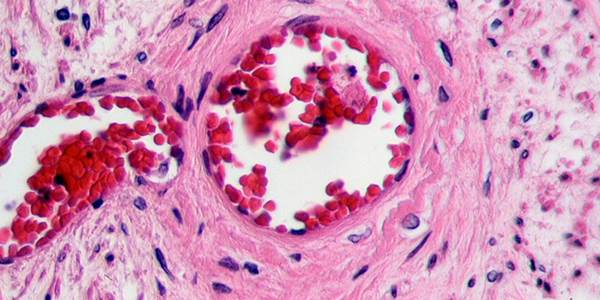
Soaring rates of peripheral artery disease, now over 200 million cases worldwide
Share on FacebookShare on TwitterShare on LinkedIn

Ticagrelor versus Clopidogrel in Symptomatic Peripheral Artery Disease

Peripheral Arterial Disease (PAD) is a manifestation of systemic atherosclerosis that is correlated with increased risk of ischemic stroke, MI and cardiovascular death.  Ticagrelor, a more potent inhibitor of the platelet P2Y12 receptor than clopidogrel and has been shown to be effective for patients with acute coronary syndromes and stable CAD.  In this double-blind event-driven trial, 13,885 patients with PAD were randomly assigned to receive clopidogrel 75 mg once a day or ticagrelor 90 mg twice a day to examine whether monotherapy with ticagrelor would be superior to clopidogrel in preventing cardiovascular death, MI or ischemic stroke.  There was no significant difference in efficacy between the two arms of the trial.  The rate of primary events of CV death, MI or ischemic stroke was 10.8% in the ticagrelor group and 10.6% in the clopidogrel group (95% CI: 0.92 to 1.13; p = 0.65).  In addition acute limb ischemia occurred in 1.7% of the patients from each group (95% CI: 0.79 to 1.33; p = 0.85).  Major bleeding occurred in 1.6% of the patients in both groups (95% CI: 0.84 to 1.43; p = 0.49).  The authors of the study concluded that in patients with PAD there was no significant difference between ticagrelor and clopidogrel therapy in reducing cardiovascular death, MI or ischemic stroke.  In addition, both groups had a similar rate of developing acute limb ischemia and major bleeding.

Firearm Acquisition without Background Check: Results of a National Survey

In 1994, 40% of US gun owners who had recently acquired a firearm did so without a background check. The purpose of this probability-based online survey study was to estimate the proportion of current US gun owners who acquired their most recent firearm without a background check. The authors designed a web-based survey and participants were chosen from a group of 55,000 US adults with equal probability of selection. An April 2015 survey analyzed gun ownership patterns and asked whether or not a purchase made in the previous 2 years included a background check. A November 2015 survey invited gun owners who responded in April 2015 survey to answer questions regarding the timing of their most recent firearm purchase. A total of 1613 adults completed both surveys. 22% (95% CI, 16% to 27%) of gun owners who reported obtaining their most recent firearm within the previous two years reported doing so without a background check. For firearms purchased privately (other than from a store or pawnshop, including sales between individuals in person/online/gun shows) within the previous two years, 50% (CI, 35% to 65%) were obtained without a background check. The percentage of gun owners who made a purchase without a background check was 26% (CI 5% to 47%) and 57% (CI 40% to 75%) for those living in the states with and without private sale regulations respectively. As a result, the authors concluded that millions of US adults continue to acquire guns without background checks, especially in states that do not regulate private firearm sales.

Epidemiology of Acute Kidney Injury in Critically Ill Children and Young Adults

Acute kidney knjury (AKI) is associated with prolonged mechanical ventilation, duration of care in the ICU and mortality in critically ill patients.  The AWARE trial was a multicenter, prospective, multinational observational study of 4,984 patients from 32 pediatric ICUs to assess the epidemiology and risk factors of AKI and associated morbidity in critically ill children and young adults. The primary outcome of 28-day mortality and secondary outcomes included length of stay in the ICU, receipt and duration of mechanical ventilation, receipt of extracorporeal membrane oxygenation and renal-replacement therapy.  Severe AKI was associated with an increased risk of death (OR 1.77; 95% CI:  1.17-2.68. The authors of the study concluded that AKI is associated with increased mortality among critically ill children and young adults.

RELATED REPORTS

WGS Oncodetect showed higher recurrence sensitivity than WES Oncodetect in colorectal cancer

Stool biomarkers may be effective in the evaluation of necrotizing enterocolitis in preterm infants

Effect of Fish Oil Supplementation and Aspirin Use on Arteriovenous Fistula Failure in Patients Requiring Hemodialysis: A randomized control trial

Arteriovenous fistulas (AVF) are the preferred method of vascular access, however maturation failure or thrombosis for AVFs are high.  The purpose of this study was to determine if fish oil supplementation or low-dose aspirin reduced the risk of AVF failure.  In this multi-centered, double blind international randomized control study, 536 patients were randomized to fish oil or placebo or low dose aspirin or placebo at the time of AVF creation to evaluate the risk of primary AVF failure.  There was no difference in fistula failure (47% vs 47%, p = 0.78), thrombosis (22% vs 23%, p = 0.90) or cannulation failure (40% vs 39%, p = 0.81) in the fish supplementation group vs. placebo.  There was also no difference in fistula failure (45% vs 43%, p = 0.68), thrombosis (20% vs 18%, p = 0.70) or cannulation failure (38% vs 38%, p 0.92) among the aspirin subgroup. Limitations of this study included a skewed study population that included predominantly young, male and with limited comorbidities, and missing data on one-fifth of the study population.   The authors of the study concluded that the use of fish oil and aspirin supplementation do not reduce the rate of failure of arteriovenous fistulas.

Cost of Joint Replacement Using Bundled Payment Models

Bundling of payments for health care is currently being evaluated as a route to reduce costs.  The purpose of this study was to determine if bundled payments for joint replacement procedures was associated with hospital savings and reduced Medicare payments. In this cross sectional study of 3942 patients who received lower extremity joint replacement study aimed to analyze changes in quality, internal hospital costs, and post-acute care (PAC) spending for lower extremity joint replacement bundled payment episodes encompassing hospitalization and 30 days of PAC. From July 2008 to June 2015, the average Medicare episode expenditures declined 20.8% from $26,785 to $21,208 (p<0.001) for 3738 episodes of joint replacement without complications and declined 13.8% from $38,537 to $33,216 (p=0.61) for 204 episodes of joint replacement with complications. In addition, readmissions and emergency department visits declined 1.4% (p=0.14) and 0.9% (p=0.98) while patient illness severity remained stable. Reductions in implant costs, down on average $1920.68 (29%) per case, contributed to the greatest proportion of hospital savings. Overall Medicare episode payments for both complicated and non-complicated lower extremity joint replacements declined significantly during the bundled payment episode period.  There were decreases in hospital costs over this study period with 51.2% internal cost reduction and 48.4% decrease from PAC spending reductions.  Bundled payments for joint replacement procedures were associated with both hospital savings and reduced Medicare payments.

Image: PD

©2017 2 Minute Medicine, Inc. All rights reserved. No works may be reproduced without expressed written consent from 2 Minute Medicine, Inc. Inquire about licensing here. No article should be construed as medical advice and is not intended as such by the authors or by 2 Minute Medicine, Inc.

Previous Post

Physical activity may limit depressive symptoms in children

Next Post

Pay-for-performance programs may be linked to process-of-care improvements in ambulatory settings

RelatedReports

An envelope is being held with a calendar and an illustration of the colon in the background, indicating a reminder for colorectal screening.
2MM Trial Briefs

WGS Oncodetect showed higher recurrence sensitivity than WES Oncodetect in colorectal cancer

October 26, 2026
An incubator for preterm infants, alongside monitoring equipment and oxygen delivery components.
Gastroenterology

Stool biomarkers may be effective in the evaluation of necrotizing enterocolitis in preterm infants

October 26, 2026
An illustration showing human lungs, a tray with sampling devices, and a teal awareness ribbon, representing lung cancer diagnostics and lymph node sampling.
2MM Trial Briefs

Tarlatamab plus durvalumab improved survival versus durvalumab alone in extensive-stage small cell lung cancer in interim phase 3 results

October 26, 2026
Illustration showing the lungs with a tumor, a vial representing medication, and surgical tools, indicating lung cancer treatment involving toripalimab.
2MM Trial Briefs

Sacituzumab tirumotecan improved overall survival versus platinum chemotherapy in final phase 3 results

October 26, 2026
Next Post
American Academy of Pediatrics recommends standards for adverse event disclosures

Pay-for-performance programs may be linked to process-of-care improvements in ambulatory settings

Topical analgesia for dyspareunia effective in breast cancer survivors

Breast cancer screening associated with substantial overdiagnosis in Danish study

Certain financial incentive programs may promote increased physical activity

“Weekend Warrior” physical activity patterns linked to lower mortality

✦ EvidencePulse™ by 2 Minute Medicine 2026 evidence scan 3 reports You asked top stroke trials 2026 Synthesizing medical evidence... Top 2026 stroke trial results: OCEANIC — ischemic stroke: 6.2% vs 8.4% OPTION* — mRS 0–1: 43.6% vs 34.2% ORIENTAL* — mRS 0–2: 58.6% vs 46.6% *Higher sICH in intervention arms Participants randomizedN OCEANIC 12,327 OPTION 570 ORIENTAL 564 Ask about guidelines or landmark trials... Try EvidencePulse™ Get the signal. Try it now → Physician-trained medical AI by 2 Minute Medicine

2MM+ All Access

Full details →
$4.99 /month

3-day free trial · cancel anytime

  • ✓100+ physician-written reports
  • ✓EvidencePulse™ + HypeCheck™
  • ✓Ad-free reading + newsletters
Start 3-day free trial

Then $4.99/month. Manage renewal in your account.

NPI Lookup · Free

Look up any US clinician

Search by name or NPI number, live from the CMS NPI Registry.

  • OIG exclusion check
  • Licenses and specialties
  • No account needed
Open NPI Lookup →

2 Minute Medicine® is an award winning, physician-run, expert medical media company. Our content is curated, written and edited by practicing health professionals who have clinical and scientific expertise in their field of reporting. Our editorial management team is comprised of highly-trained MD physicians. Join numerous brands, companies, and hospitals who trust our licensed content.

Recent Reports

  • WGS Oncodetect showed higher recurrence sensitivity than WES Oncodetect in colorectal cancer
  • Stool biomarkers may be effective in the evaluation of necrotizing enterocolitis in preterm infants
  • Tarlatamab plus durvalumab improved survival versus durvalumab alone in extensive-stage small cell lung cancer in interim phase 3 results
License Content
Terms of Use | Disclaimer
Cookie Policy

Get the app

Read 2 Minute Medicine on iPhone, iPad and Android.

Download on the App StoreGet it on Google Play
QR code for www.2minutemedicine.com/app
On a computer? Scan this with your phone’s camera.
2MM+ All Access Full details →

The medical literature, distilled daily.

Monthly plan selected: $4.99 /month.

$4.99/month

3-day free trial · cancel anytime

Start 3-day free trial

Then $4.99/month. Manage renewal in your account.

Yearly plan selected: $49.90 /year.

$49.90/year

2 months free

Start 3-day free trial

Then $49.90/year.

Membership benefits

  • ✓100+ physician-written reports
  • ✓AI EvidencePulse™ + HypeCheck™
  • ✓Ad-free reading + newsletters
  • ✓NPI watchlist + bulk NPI verification

Already a member? Sign in

  • Get the app
  • About
  • Specialties
    • All Specialties, All Recent Reports
    • Cardiology
    • Chronic Disease
    • Dermatology
    • Emergency
    • Endocrinology
    • Gastroenterology
    • Imaging and Intervention
    • Infectious Disease
    • Nephrology
    • Neurology
    • Obstetrics
    • Oncology
    • Ophthalmology
    • Pediatrics
    • Pharma
    • Preclinical
    • Psychiatry
    • Public Health
    • Pulmonology
    • Rheumatology
    • Surgery
    • Rewinds
    • The Scan
  • EvidencePulse™
  • HypeCheck™
  • AI News
  • Classics™
    • 2MM+ Online Access
    • Paperback and Ebook
  • Tools
    • NPI Registry Lookup
    • RVU Search
  • Partners
    • License Content
    • Advertise with Us
No Result
View All Result

© 2026 2 Minute Medicine, Inc. - Physician-written medical news.