Baseline cannabis use may not be associated with abstinence from vaping
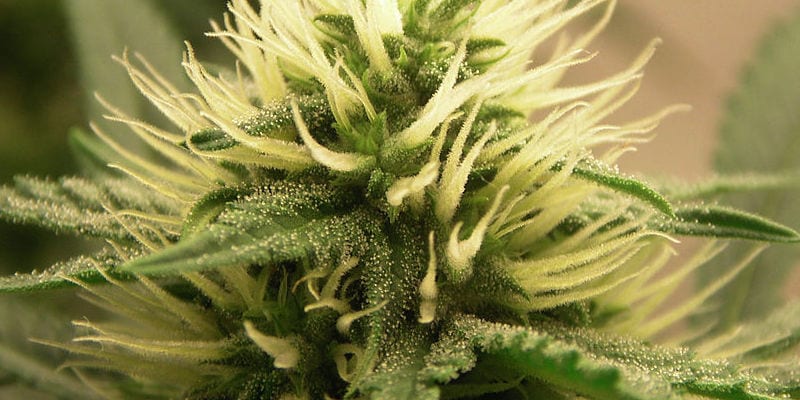
1. Among young adults, baseline cannabis use was not associated with nicotine vaping abstinence.
2. 12 weeks of varenicline were effective for nicotine vaping cessation regardless of cannabis use.
Evidence Rating Level: 2 (Good)
Cannabis use is prevalent among youth who vape nicotine. Tetrahydrocannabinol (THC) and nicotine may enhance each other’s addictive properties through shared neurobiological and behavioral pathways. However, it is not known whether cannabis use influences nicotine vaping cessation success. This study thus examined whether baseline frequency of cannabis use or cannabis use disorder (CUD) symptom severity was associated with nicotine vaping cessation. This secondary analysis of a randomized clinical trial was conducted at a single site in Massachusetts from June 2022 to May 2024. It included participants aged 16 to 25 years who reported vaping nicotine regularly, exhibited nicotine dependence, and did not smoke tobacco. Participants were randomized 1:1:1 into 3 groups to receive 12 weeks of: (1) double-masked varenicline (first-line pharmacotherapy for tobacco cessation) plus weekly individual behavioral counseling, (2) double-masked placebo plus behavioral counselling, or (3) single-masked referral to a text messaging nicotine vaping cessation support for youth (enhanced usual care [EUC]). Baseline cannabis use was assessed via self-reported number of days of cannabis use per week over the past 30 days prior to enrollment. CUD symptom severity in the past 6 months was assessed using scores from the Cannabis Use Disorder Identification Test–Revised (CUDIT-R). The primary outcome was 7-day point prevalence nicotine vaping abstinence at week 12. Among the 261 participants randomized (mean [SD] age, 21.5 [2.0] years; 139 female [53%]), 73 participants (28%) reported no past-month cannabis use, 100 participants (38%) reported using cannabis more than 0 and less than 4 days/week, and 78 participants (30%) reported using cannabis 4 to 7 days/week. Cannabis use frequency was not associated with nicotine vaping cessation (eg, 4 to 7 days per week use vs no use: adjusted odds ratio [aOR], 1.14; 95% CI, 0.51-2.57; overall P = .20). Compared with placebo or EUC, varenicline increased the odds of nicotine vaping cessation among participants who used cannabis 4 to 7 days/week (aOR, 8.47; 95% CI, 2.78-28.25) and among those who did not use cannabis (aOR, 5.60; 95% CI, 1.97-17.06). There was no difference in effectiveness between groups (overall interaction P = .32). Similar results were found for CUD symptom severity. Overall, this study found that among young adults, baseline cannabis use was not associated with nicotine vaping abstinence and that varenicline was effective for nicotine vaping cessation regardless of cannabis use. Future studies are needed to confirm this study’s findings.
Click here to read this study in JAMA Network Open
Image: PD
©2026 2 Minute Medicine, Inc. All rights reserved. No works may be reproduced without expressed written consent from 2 Minute Medicine, Inc. Inquire about licensing here. No article should be construed as medical advice and is not intended as such by the authors or by 2 Minute Medicine, Inc.