Combined use of cannabis and alcohol may increase driving impairment and subjective intoxication
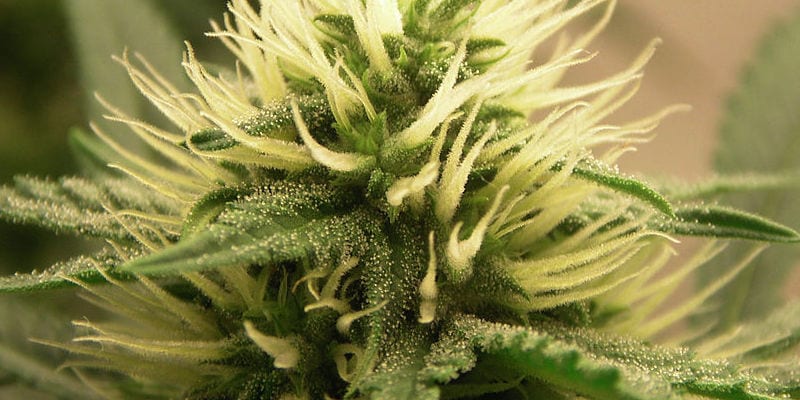
1. Co-use of cannabis edibles and alcohol augmented driving impairment and subjective intoxication.
Evidence Rating Level: 2 (Good)
Previous research has found that the co-use of cannabis and alcohol impairs driving ability and cognitive and behavioral performance to a greater extent than when used individually. While previous studies focused on inhaled forms of cannabis and alcohol, there is a lack of research on the co-use of cannabis edibles and alcohol. This study thus examined the individual and interactive effects of cannabis edibles and alcohol on simulated driving, as well as subjective and objective impairment measures. This crossover study included healthy adults aged 21-55 who underwent 7 outpatient experimental sessions at Johns Hopkins University School of Medicine from February 2022 to August 2025. During the sessions, participants consumed a cannabis-infused brownie (10 mg or 25 mg THC) or a placebo brownie, followed by an alcohol-containing drink adjusted to reach breath alcohol concentrations (BrAC) of 0.05% or 0.08% or a placebo drink. The primary driving outcome was the global drive score (GDS). Field sobriety was assessed using the Standardized Field Sobriety Tests (SFST). Subjective drug effects were assessed with the various questionnaires. In total, 25 participants were included in the study (mean [SD] age, 25.6 [4.9] years, 15 males [60%]). Based on mean peak GDS, all active drug conditions except 10 mg THC reduced driving performance compared with placebo. Compared to consuming alcohol alone at 0.08% BrAC, driving impairment was similar at 0.05% BrAC and 10 mg THC (mean [SD] peak GDS, 1.6 [1.6] vs 1.6 [1.4]) but worse at 0.05% BrAC and 25 mg THC (mean [SD] peak GDS, 2.5 [1.7]; P = .02). Driving impairment and subjective intoxication were often greater under co-use conditions compared with cannabis or alcohol alone. Compared to placebo, SFST performance worsened at 0.08% BrAC (mean [SD] score, 2.2 [2.2] vs 0.2 [1.3]; P = .008). Overall, this study found that co-use of cannabis edibles and alcohol augmented driving impairment and subjective intoxication. These findings suggest that the legal alcohol intoxication limit of 0.08% BrAC in most of the US may be too liberal if a driver has also used cannabis.
Click here to read this study in JAMA Network Open
Image: PD
©2026 2 Minute Medicine, Inc. All rights reserved. No works may be reproduced without expressed written consent from 2 Minute Medicine, Inc. Inquire about licensing here. No article should be construed as medical advice and is not intended as such by the authors or by 2 Minute Medicine, Inc.