

Bundibugyo Ebola outbreak surpasses 5,700 cases without a validated vaccine
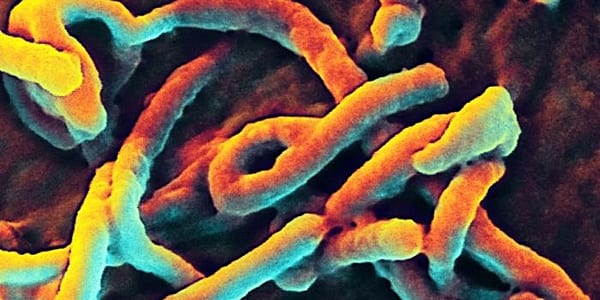
1. The 2026 Bundibugyo Ebola outbreak has reached 5,794 confirmed cases and 2,786 deaths, while the only licensed Ebola vaccine has uncertain efficacy against Bundibugyo virus and is currently recommended by the World Health Organization only within research protocols.
2. The risk to the U.S. public remains low, but recent travel to affected areas combined with compatible illness should trigger immediate infection-control precautions and coordination with public health authorities rather than routine evaluation without Ebola precautions.
The Democratic Republic of the Congo (DRC) has confronted repeated Ebola outbreaks since the virus was first identified there in 1976, but the scale and speed of the 2026 epidemic have moved beyond the country’s previous experience. As of August 26, the outbreak had reached 5,794 confirmed cases and 2,786 deaths across 60 health zones in six provinces, corresponding to a crude case fatality ratio of 48.1%. The epidemic is now the largest Ebola outbreak ever recorded in the DRC, with sustained transmission occurring across geographically interconnected areas and continued difficulty identifying and interrupting transmission chains. Those numbers also reflect the limitations of case detection, contact tracing, access to care, infection prevention, and laboratory capacity during an outbreak unfolding amid conflict and population movement. The species responsible is the critical therapeutic variable because Bundibugyo virus differs from Zaire ebolavirus, the target of the countermeasures that transformed management during more recent Zaire Ebola outbreaks. Bundibugyo virus had caused only two recognized outbreaks before 2026, first in Uganda in 2007 and then in the DRC in 2012, leaving substantially less human efficacy evidence for species-specific vaccines and therapeutics. Ervebo, the recombinant vesicular stomatitis virus based vaccine licensed for prevention of disease caused by Zaire ebolavirus, has immunologic and animal data suggesting possible cross-protection against Bundibugyo virus, but there is insufficient evidence that it provides clinically meaningful protection in humans. Updated guidance therefore recommends its use only within research protocols, ideally generating efficacy data through a randomized ring-vaccination trial while Bundibugyo-specific countermeasures continue to be developed.
The absence of a proven Bundibugyo-specific vaccine makes traditional outbreak control measures unusually consequential, including rapid case identification, isolation, contact tracing, infection prevention, safe burials, laboratory confirmation, and community engagement. The challenge is operational as much as biological, since ongoing conflict, violence against healthcare workers, limited health infrastructure, population movement, and mistrust have complicated containment across affected regions. For U.S. physicians, the reassuring context is that no U.S. cases associated with the outbreak have been confirmed and the overall risk to the American public remains low. That low population-level risk should not translate into a low index of suspicion when an individual patient’s travel and exposure history are compatible with Ebola disease. Patients who have recently been in affected areas of the DRC or Uganda should therefore be asked specifically about travel, potential Ebola exposures, and symptoms during the 21 days after leaving the region. Fever, severe headache, weakness, vomiting, diarrhea, abdominal pain, or unexplained bleeding in a patient with an epidemiologically relevant exposure should prompt immediate infection-control precautions and consultation with public health authorities before routine diagnostic processes create unnecessary exposure opportunities. The clinical distinction is important because early Ebola symptoms overlap with malaria, gastrointestinal infection, influenza-like illness, and other far more common diagnoses, making travel and exposure history rather than symptom specificity the feature most likely to trigger recognition. For physicians outside the outbreak region, the central lesson is not that Ebola has become a high-probability diagnosis, but that a rapidly expanding outbreak with limited validated species-specific countermeasures makes correctly identifying the rare patient with a credible epidemiologic link disproportionately important.
Image: PD
©2026 2 Minute Medicine, Inc. All rights reserved. No works may be reproduced without expressed written consent from 2 Minute Medicine, Inc. Inquire about licensing here. No article should be construed as medical advice and is not intended as such by the authors or by 2 Minute Medicine, Inc.


