

• About
  • Masthead
  • License Content
  • Advertise
  • Submit Press Release
  • RSS/Email List
  • 2MM Podcast
  • Write for us
  • Contact Us
2 Minute Medicine
No Result
View All Result

No products in the cart.

SUBSCRIBE
  • Specialties
    • All Specialties, All Recent Reports
    • Cardiology
    • Chronic Disease
    • Dermatology
    • Emergency
    • Endocrinology
    • Gastroenterology
    • Imaging and Intervention
    • Infectious Disease
    • Nephrology
    • Neurology
    • Obstetrics
    • Oncology
    • Ophthalmology
    • Pediatrics
    • Pharma
    • Preclinical
    • Psychiatry
    • Public Health
    • Pulmonology
    • Rheumatology
    • Surgery
  • Tools
    • EvidencePulse™
    • RVU Search
    • NPI Registry Lookup
  • Pharma
  • AI News
  • The Scan+
  • Classics™+
    • 2MM+ Online Access
    • Paperback and Ebook
  • Rewinds
  • Partners
    • License Content
    • Submit Press Release
    • Advertise with Us
  • Account
    • Subscribe
    • Sign-in
    • My account
2 Minute Medicine
  • Specialties
    • All Specialties, All Recent Reports
    • Cardiology
    • Chronic Disease
    • Dermatology
    • Emergency
    • Endocrinology
    • Gastroenterology
    • Imaging and Intervention
    • Infectious Disease
    • Nephrology
    • Neurology
    • Obstetrics
    • Oncology
    • Ophthalmology
    • Pediatrics
    • Pharma
    • Preclinical
    • Psychiatry
    • Public Health
    • Pulmonology
    • Rheumatology
    • Surgery
  • Tools
    • EvidencePulse™
    • RVU Search
    • NPI Registry Lookup
  • Pharma
  • AI News
  • The Scan+
  • Classics™+
    • 2MM+ Online Access
    • Paperback and Ebook
  • Rewinds
  • Partners
    • License Content
    • Submit Press Release
    • Advertise with Us
  • Account
    • Subscribe
    • Sign-in
    • My account
SUBSCRIBE
2 Minute Medicine
Subscribe
Home All Specialties Obstetrics

Extended embryo culture associated with higher live birth rates
byMaren ShapiroandLeah Hawkins Bressler, MD, MPH
March 16, 2014
in Obstetrics
Reading Time: 3 mins read
0
Share on FacebookShare on Twitter

Image: PD

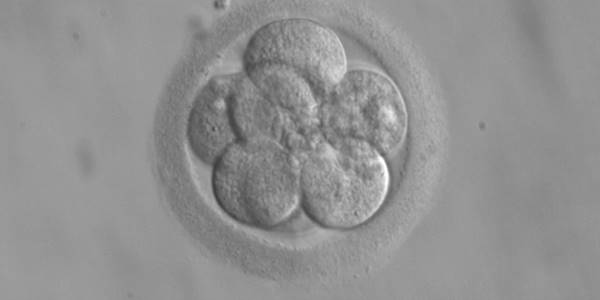
1. Extended embryo culture with single embryo transfer (SET) at the blastocyst stage resulted in more pregnancies and live births than transfer at the cleavage embryo stage.

2. Extended embryo culture was not associated with adverse obstetric or perinatal outcomes.

Evidence Rating Level: 2 (Good)  

Study Rundown: This study found that single embryo transfer (SET) at the blastocyst stage (day 5) was associated with higher pregnancy and live birth rates compared to SET at the cleavage stage (day 2-3). Extended embryo culture time was not associated with adverse obstetric or perinatal outcomes. Inclusion of only single embryo transfers at one institution where identical embryologic protocols and culture medias were used allowed for a simple, elegant study design. Assessment of adverse outcomes is limited by low incidence in the study population and retrospective design further limits interpretation. Future investigations might employ a larger sample size and retrospective design to assess for differences in rates of adverse outcomes, including abnormal placentation and postpartum hemorrhage.

Click to read the study in AJOG

RELATED REPORTS

Bariatric surgery may improve rates for spontaneous ovulation in patients with polycystic ovarian syndrome and obesity

Intracytoplasmic sperm injection offers no benefit over in-vitro fertilization for non-severe male factor infertility

Double embryo transfer may be associated with neonatal risks

Relevant Reading: Infertility, assisted reproductive technology, and adverse pregnancy outcomes

Study Author, Dr. Galia Oron, MD, talks to 2 Minute Medicine: Department of Obstetrics and Gynecology, McGill University

“Blastocyst transfer has several advantages, including a higher implantation rate than day three embryos and the ability to perform genetic testing. Since single blastocyst transfers are becoming more common, it is important to know whether extended time under culture conditions has any long-term negative effect on the resulting pregnancies and neonates.”

In-Depth [retrospective cohort study]: Researchers compared outcomes among 1543 autologous SETs in women ≤40 years old by whether transfer occurred at the single cleavage embryo stage (day 2-3) (n=693) or the fresh single blastocyst stage (day 5) (n=850). The primary outcomes included pregnancy and live birth rates as well as numerous obstetric and perinatal complications, including preeclampsia, placental abruption, low birth weight, preterm delivery, NICU hospitalization, and congenital malformations.

Blastocyst transfer was associated with a higher pregnancy rate (50.1% vs.19.9%, p<0.001) and a higher live birth rate (33.5% vs. 13.8%, p<0.001) than cleavage embryo transfer. There were no significant differences in pregnancy-related complications or adverse neonatal outcomes between the two groups after adjustments were made for known risk factors (maternal age, BMI, smoking, cause of infertility, parity, and gender).

More from this author: SSRI use during pregnancy not associated with fetal, neonatal or infant mortality, IUD contraception equally effective in teenagers as in older women, More US women using emergency contraception, Updated USPSTF guidelines favor treatment of mild gestational diabetes

©2012-2014 2minutemedicine.com. All rights reserved. No works may be reproduced without expressed written consent from 2minutemedicine.com. Disclaimer: We present factual information directly from peer reviewed medical journals. No post should be construed as medical advice and is not intended as such by the authors, editors, staff or by 2minutemedicine.com. PLEASE SEE A HEALTHCARE PROVIDER IN YOUR AREA IF YOU SEEK MEDICAL ADVICE OF ANY SORT. 
Tags: blastocyst transferreproductive endocrinology
Previous Post

Whole genome sequencing not yet practical for the clinical setting

Next Post

Feeding tube improves outcomes after rectal resection

RelatedReports

Letrozole (Femara) boosts fertility of women with Polycystic Ovarian Syndrome
Chronic Disease

Bariatric surgery may improve rates for spontaneous ovulation in patients with polycystic ovarian syndrome and obesity

June 12, 2024
Severe endometriosis associated with poor IVF outcomes
Chronic Disease

Intracytoplasmic sperm injection offers no benefit over in-vitro fertilization for non-severe male factor infertility

April 12, 2024
Assisted conception not associated with increased pediatric cancer risk
Endocrinology

Double embryo transfer may be associated with neonatal risks

December 19, 2022
Infertility treatments not associated with increased short-term cancer risk
Endocrinology

Donor egg cycles more successful than autologous oocytes in cancer survivors

November 22, 2015
Next Post
Complications 4.5x more frequent in hernias repaired laparoscopically vs. open repair

Feeding tube improves outcomes after rectal resection

Endovascular repair of ruptured AAAs no better than open repair

Ruptured abdominal aortic aneurysm mortality greater in England vs. USA.

Obesogenic infant feeding behaviors prevalent in 2-month-old infants

Obesogenic infant feeding behaviors prevalent in 2-month-old infants

2 Minute Medicine® is an award winning, physician-run, expert medical media company. Our content is curated, written and edited by practicing health professionals who have clinical and scientific expertise in their field of reporting. Our editorial management team is comprised of highly-trained MD physicians. Join numerous brands, companies, and hospitals who trust our licensed content.

Recent Reports

  • Pfizer’s Talzenna combo significantly delays prostate cancer progression
  • Bottom-vented bottles may not reduce gastrointestinal discomfort in infants
  • Ketorolac administration after cesarean delivery may reduce postoperative opioid use
License Content
Terms of Use | Disclaimer
Cookie Policy
Privacy Statement (EU)
Disclaimer

© 2025 2 Minute Medicine, Inc. - Physician-written medical news.

  • Specialties
    • All Specialties, All Recent Reports
    • Cardiology
    • Chronic Disease
    • Dermatology
    • Emergency
    • Endocrinology
    • Gastroenterology
    • Imaging and Intervention
    • Infectious Disease
    • Nephrology
    • Neurology
    • Obstetrics
    • Oncology
    • Ophthalmology
    • Pediatrics
    • Pharma
    • Preclinical
    • Psychiatry
    • Public Health
    • Pulmonology
    • Rheumatology
    • Surgery
  • Tools
    • EvidencePulse™
    • RVU Search
    • NPI Registry Lookup
  • Pharma
  • AI News
  • The Scan
  • Classics™
    • 2MM+ Online Access
    • Paperback and Ebook
  • Rewinds
  • Partners
    • License Content
    • Submit Press Release
    • Advertise with Us
  • Account
    • Subscribe
    • Sign-in
    • My account
No Result
View All Result

© 2025 2 Minute Medicine, Inc. - Physician-written medical news.