• About
  • Masthead
  • License Content
  • Advertise
  • Submit Press Release
  • RSS/Email List
  • 2MM Podcast
  • Write for us
  • Contact Us
2 Minute Medicine
No Result
View All Result

No products in the cart.

SUBSCRIBE
  • Specialties
    • All Specialties, All Recent Reports
    • Cardiology
    • Chronic Disease
    • Dermatology
    • Emergency
    • Endocrinology
    • Gastroenterology
    • Imaging and Intervention
    • Infectious Disease
    • Nephrology
    • Neurology
    • Obstetrics
    • Oncology
    • Ophthalmology
    • Pediatrics
    • Pharma
    • Preclinical
    • Psychiatry
    • Public Health
    • Pulmonology
    • Rheumatology
    • Surgery
  • Tools
    • EvidencePulse™
    • RVU Search
    • NPI Registry Lookup
  • Pharma
  • AI News
  • The Scan+
  • Classics™+
    • 2MM+ Online Access
    • Paperback and Ebook
  • Rewinds
  • Partners
    • License Content
    • Submit Press Release
    • Advertise with Us
  • Account
    • Subscribe
    • Sign-in
    • My account
2 Minute Medicine
  • Specialties
    • All Specialties, All Recent Reports
    • Cardiology
    • Chronic Disease
    • Dermatology
    • Emergency
    • Endocrinology
    • Gastroenterology
    • Imaging and Intervention
    • Infectious Disease
    • Nephrology
    • Neurology
    • Obstetrics
    • Oncology
    • Ophthalmology
    • Pediatrics
    • Pharma
    • Preclinical
    • Psychiatry
    • Public Health
    • Pulmonology
    • Rheumatology
    • Surgery
  • Tools
    • EvidencePulse™
    • RVU Search
    • NPI Registry Lookup
  • Pharma
  • AI News
  • The Scan+
  • Classics™+
    • 2MM+ Online Access
    • Paperback and Ebook
  • Rewinds
  • Partners
    • License Content
    • Submit Press Release
    • Advertise with Us
  • Account
    • Subscribe
    • Sign-in
    • My account
SUBSCRIBE
2 Minute Medicine
Subscribe
Home All Specialties Chronic Disease

Age-related hearing impairment in older adults associated with decreased physical functioning
byJake EngelandMichael Pratte
June 28, 2021
in Chronic Disease, ENT, Public Health
Reading Time: 3 mins read
0
Share on FacebookShare on Twitter

1. Cross-sectional analysis in this study demonstrated reduced physical functioning and walking endurance in those with hearing impairment compared to those without one.

2. Longitudinal analysis of those with hearing impairment demonstrated a more rapid decline in physical functioning than those with normal hearing.

Evidence Rating Level: 2 (Good)

Study Rundown: Hearing impairment (HI) is prevalent among adults over 70 years old (approximately 2/3 of adults in this population are affected) and is associated with various poor functional outcomes. HI is often modifiable and treatable, which makes it an ideal target for intervention. This cross-sectional and longitudinal cohort study assessed whether there is an association between HI and physical functioning, walking endurance, and rate of physical decline. Physical function was assessed using the Short Physical Performance Battery (SPPB), which measures balance, gait speed, and chair stands. Walking endurance was evaluated using a fast-paced 2-minute walk (TMW) test. For each progress 10 dB HL, there was a corresponding decreased SPPB score and slowed gait speed. When HI was categorized into mild, moderate, and severe, all three categories were significantly associated with lower SPPB composite scores and slower gait speeds compared to those with normal hearing. Chair stand test was not significantly different between HI cohorts and the normal hearing cohort. When assessing walking endurance with the TMW test, each 10 dB HL increase was significantly associated with reduced distance walked during the test. Furthermore, in the longitudinal analysis, those with moderate or severe HI had a significantly quicker rate of physical decline than those with normal hearing within the first five years. From year five until the end of study follow-up, those with mild or moderate HI had a significantly quicker decline in physical function than those with normal hearing. Overall, this study demonstrated that HI in older adults was associated with greater physical decline, a higher rate of physical decline, and reduced walking endurance. One limitation of this study, however, is that the severe HI cohort was much smaller than the normal hearing cohort (973 vs.121 participants) which reduces statistical power in comparing these two groups.

Click to read the study in JAMA

Click to read an accompanying editorial in JAMA

RELATED REPORTS

Exposure to air pollution is associated with increased risk of developing limitations in physical function

2 Minute Medicine Rewind December 1st, 2025

Exercise may improve physical function and psychological well-being following COVID-19 infection in adults

Relevant Reading: Association of hearing impairment with declines in physical functioning and the risk of disability in older adults

In-Depth [cross-sectional study/prospective cohort]: This cohort study included 2956 participants (973 [33%] normal hearing, 1170 [40%] mild HI, 692 [23%] moderate HI, 121 [4%] severe HI) from the Atherosclerosis Risk in Communities study between 2011 to 2019. Participants were categorized into hearing categories based on pure tone audiometry, which calculated better-hearing ear pure tone average (BPTA); higher BPTA indicates reduced hearing function. The outcomes were physical functioning (assessed with the SPPB) and walking endurance (assessed with the TMW test). SPPB is composed of balance, gait speed, and chair stands. Every 10 dB HL increase in BPTA had an odds ratio (OR) for a low SPPB composite score of 1.18 (95% CI: 1.09-1.29), including 1.21 (95% CI: 1.13-1.30) for balance, 1.18 (95% CI: 1.06-1.31) for gait speed, and 1.10 (95% CI: 1.03-1.17) for chair stands. Furthermore, for every 10 dB HL increase in BPTA, there was a 0.98 m (95% CI: 0.26-1.69) reduction in distance walked. When comparing HI categories to normal hearing participants, the mild HI cohort walked -2.10 m (95% CI: -4.24 to -0.04) less, the moderate HI cohort walked -2.81 m (95% CI: -5.45 to -0.17) less, and the severe HI cohort walked -5.31 m (95% CI: -10.20 to -0.36) less than the normal hearing cohort. Those with reduced hearing declined quicker in SPPB scores over time than those with normal hearing.

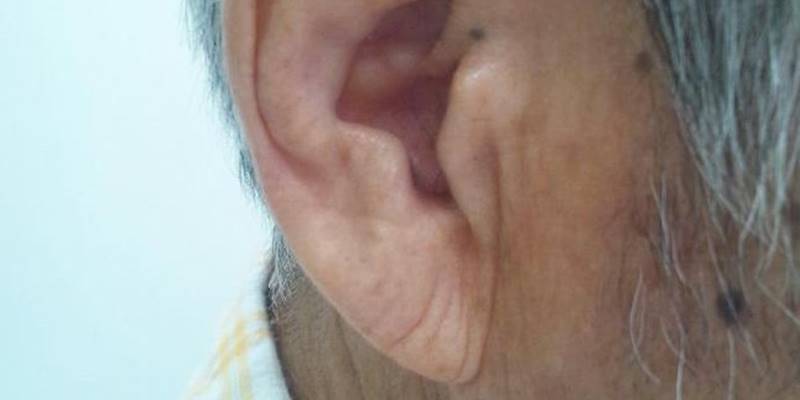
Image: PD

©2021 2 Minute Medicine, Inc. All rights reserved. No works may be reproduced without expressed written consent from 2 Minute Medicine, Inc. Inquire about licensing here. No article should be construed as medical advice and is not intended as such by the authors or by 2 Minute Medicine, Inc.

Tags: age-related hearing losshearing lossHearing Loss in Adultsphysical function
Previous Post

Use of cloth face masks may reduce exercise performance because of discomfort

Next Post

Neoadjuvant chemoradiotherapy plus surgery increases overall survival of patients with advanced esophageal squamous cell carcinoma compared to surgery alone

RelatedReports

Risk of dementia with air pollution exposure amplified in patients with heart disease
Lifestyle

Exposure to air pollution is associated with increased risk of developing limitations in physical function

February 17, 2026
Lariat device for left atrial appendage exclusion associated with adverse events
Weekly Rewinds

2 Minute Medicine Rewind December 1st, 2025

January 13, 2026
Novel coronavirus identified from patients with pneumonia in Wuhan, China
Health

Exercise may improve physical function and psychological well-being following COVID-19 infection in adults

January 13, 2026
Chronic Disease

Midlife hearing loss is associated with smaller brain volumes and faster decline in executive function

January 13, 2026
Next Post
Hybrid minimally invasive esophagectomy associated with lower complication rates compared to open esophagectomy

Neoadjuvant chemoradiotherapy plus surgery increases overall survival of patients with advanced esophageal squamous cell carcinoma compared to surgery alone

Delays in surgical intervention do not increase odds of appendiceal perforation

Restrictive versus liberal fluid resuscitation strategy for post-partum hemorrhage

Adolescents’ muscle strength associated with lower cardiometabolic risk

Combined exercise training reduced occupational burnout in helping professions

2 Minute Medicine® is an award winning, physician-run, expert medical media company. Our content is curated, written and edited by practicing health professionals who have clinical and scientific expertise in their field of reporting. Our editorial management team is comprised of highly-trained MD physicians. Join numerous brands, companies, and hospitals who trust our licensed content.

Recent Reports

  • Glucagon-like peptide-1 receptor agonists are associated with reduced risk of developing substance use disorders
  • Oral infigratinib boosts growth velocity in achondroplasia study
  • Computed tomography angiography of the head and neck may inform emergency management in patients with suspected stroke
License Content
Terms of Use | Disclaimer
Cookie Policy
Privacy Statement (EU)
Disclaimer

© 2025 2 Minute Medicine, Inc. - Physician-written medical news.

  • Specialties
    • All Specialties, All Recent Reports
    • Cardiology
    • Chronic Disease
    • Dermatology
    • Emergency
    • Endocrinology
    • Gastroenterology
    • Imaging and Intervention
    • Infectious Disease
    • Nephrology
    • Neurology
    • Obstetrics
    • Oncology
    • Ophthalmology
    • Pediatrics
    • Pharma
    • Preclinical
    • Psychiatry
    • Public Health
    • Pulmonology
    • Rheumatology
    • Surgery
  • Tools
    • EvidencePulse™
    • RVU Search
    • NPI Registry Lookup
  • Pharma
  • AI News
  • The Scan
  • Classics™
    • 2MM+ Online Access
    • Paperback and Ebook
  • Rewinds
  • Partners
    • License Content
    • Submit Press Release
    • Advertise with Us
  • Account
    • Subscribe
    • Sign-in
    • My account
No Result
View All Result

© 2025 2 Minute Medicine, Inc. - Physician-written medical news.