

• About
  • Masthead
  • License Content
  • Advertise
  • Submit Press Release
  • RSS/Email List
  • 2MM Podcast
  • Write for us
  • Contact Us
2 Minute Medicine
No Result
View All Result

No products in the cart.

SUBSCRIBE
  • About
  • Specialties
    • All Specialties, All Recent Reports
    • Cardiology
    • Chronic Disease
    • Dermatology
    • Emergency
    • Endocrinology
    • Gastroenterology
    • Imaging and Intervention
    • Infectious Disease
    • Nephrology
    • Neurology
    • Obstetrics
    • Oncology
    • Ophthalmology
    • Pediatrics
    • Pharma
    • Preclinical
    • Psychiatry
    • Public Health
    • Pulmonology
    • Rheumatology
    • Surgery
  • Tools+
    • EvidencePulse™
    • HypeCheck™
    • NPI Registry Lookup
    • RVU Search
  • Pharma
  • AI Roundup
  • The Scan+
  • Classics™+
    • 2MM+ Online Access
    • Paperback and Ebook
  • Rewinds
  • Partners
    • License Content
    • Submit Press Release
    • Advertise with Us
  • Account
    • Subscribe
    • My account
    • Cart
    • Sign-in
2 Minute Medicine
  • About
  • Specialties
    • All Specialties, All Recent Reports
    • Cardiology
    • Chronic Disease
    • Dermatology
    • Emergency
    • Endocrinology
    • Gastroenterology
    • Imaging and Intervention
    • Infectious Disease
    • Nephrology
    • Neurology
    • Obstetrics
    • Oncology
    • Ophthalmology
    • Pediatrics
    • Pharma
    • Preclinical
    • Psychiatry
    • Public Health
    • Pulmonology
    • Rheumatology
    • Surgery
  • Tools+
    • EvidencePulse™
    • HypeCheck™
    • NPI Registry Lookup
    • RVU Search
  • Pharma
  • AI Roundup
  • The Scan+
  • Classics™+
    • 2MM+ Online Access
    • Paperback and Ebook
  • Rewinds
  • Partners
    • License Content
    • Submit Press Release
    • Advertise with Us
  • Account
    • Subscribe
    • My account
    • Cart
    • Sign-in
SUBSCRIBE
2 Minute Medicine
Subscribe
EvidencePulse™ by 2 Minute Medicine 2026 evidence scan 3 reports You asked top stroke trials 2026 Synthesizing medical evidence... Top 2026 stroke trial results: OCEANIC — ischemic stroke: 6.2% vs 8.4% OPTION* — mRS 0–1: 43.6% vs 34.2% ORIENTAL* — mRS 0–2: 58.6% vs 46.6% *Higher sICH in intervention arms Participants randomizedN OCEANIC 12,327 OPTION 570 ORIENTAL 564 Ask about guidelines or landmark trials... ↑ Try EvidencePulse™ Ask the evidence.
Get the signal.
Try it now → Physician-trained medical AI by 2 Minute Medicine
Home All Specialties Chronic Disease

Dementia patients frequently on medications with minimal benefit
byAshley AaroeandJames Jiang
September 10, 2014
in Chronic Disease, Neurology
Reading Time: 3 mins read
Cost-related medication nonadherence associated with increased ED utilization
Share on FacebookShare on Twitter

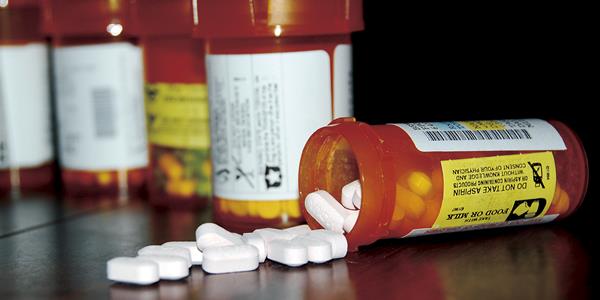
1. More than half of patients with advanced dementia in this study were on medications of questionable benefit.

2. Patients with chewing or swallowing problems, mouth pain, feeding tubes, do-not-resuscitate (DNR) orders, or enrolled in hospice had lower likelihood of being prescribed a medication of questionable benefit.

Evidence Rating Level: 3 (Average)

Study Rundown: Patients with advanced dementia suffer from a terminal illness characterized by significant cognitive, social, and functional impairment. Goals of care in terminal illness should focus on maximizing comfort and quality of life. Previous studies, though limited, suggest that many patients with advanced dementia may be on medications that fail to address this primary goal and in fact provide minimal benefit. This study defined medications of questionable benefit as those deemed ‘never appropriate’ for use in advanced dementia by a previous consensus of experts.

This study confirms that more than half of long-term nursing home patients (53%) with advanced dementia are prescribed at least one of the medications on that list. Most notably the list includes cholinesterase inhibitors and memantine hydrochloride, medications that are commonly prescribed early in the disease process but have minimal benefit for patients with advanced dementia. The use of such medications is decreased in patients with advance directives enrolled in the hospice setting, and in those who require feeding tubes or have difficulty swallowing. This large cross-sectional study suggests that streamlining medications in accordance with goals of care for patients with advanced dementia is an important issue. One limitation of the study is that the list of medications deemed questionably beneficial was determined by expert consensus. Moreover, the cross-sectional design in this case may over-represent prevalence since dementia is a long duration disease.

Click to read the study in JAMA Internal Medicine

RELATED REPORTS

Dementia diagnosis underreporting is common and associated with reduced care engagement

Older married couples demonstrate domain-specific cognitive concordance 

One in four National Football League (NFL) players who died between 2016-2021 had evidence of chronic traumatic encephalopathy

Click to read an accompanying editorial in JAMA Internal Medicine

Relevant Reading: Withholding, Discontinuing and Withdrawing Medications in Dementia Patients at the End of Life

In-Depth [cross-sectional study]: This study used data from the prescription-dispensing database of a long-term care pharmacy. Patients were selected based on having data available between 2009-2010, being greater than 65 years of age, and with a diagnosis of advanced dementia characterized by scores on Mini-Mental State Examination (MMSE). Exclusion criteria were length of stay at care facility less than 90 days, small facilities, and any patients with missing data. 5406 patients met criteria for study.

53.9% of patients (2911 patients) were prescribed at least one medication of questionable benefit during a 90-day observation period. Patients with oral problems had a lower likelihood of being prescribed a questionably beneficial medication, including those with chewing problems, swallowing problems, or mouth pain (adjusted odds ratio [AOR]: 0.68; 95% CI: 0.59-0.78), a feeding tube (AOR: 0.58; 95% CI: 0.48-0.70), a do-not-resuscitate (DNR) order (AOR: 0.65; 95% CI: 0.57- 0.75), and who were enrolled in hospice (AOR: 0.69; 95% CI: 0.58-0.82). Of patients that were on at least 1 questionably beneficial medication, the mean (SD) 90-day drug expenditure was higher, at $2317 ($1357), of which 35.2% was attributable to medications of questionable benefit.

More from this author: Walk test linked to quality of life in multiple sclerosis, Deep brain stimulation may be safe for older Parkinson patients, Exome sequencing potentially valuable in diagnosing familial cerebellar ataxias, Functional connectivity similar between autosomal dominant and late onset Alzheimer Disease, Diets rich in omega fatty acids may reduce ALS (Lou Gehrig’s) risk

Image: PD

©2012-2014 2minutemedicine.com. All rights reserved. No works may be reproduced without expressed written consent from 2minutemedicine.com. Disclaimer: We present factual information directly from peer reviewed medical journals. No post should be construed as medical advice and is not intended as such by the authors, editors, staff or by 2minutemedicine.com. PLEASE SEE A HEALTHCARE PROVIDER IN YOUR AREA IF YOU SEEK MEDICAL ADVICE OF ANY SORT.


Tags: dementia
Previous Post

Updated guidelines for management of sickle cell disease released

Next Post

Conclusions can change following reanalysis of randomized clinical trial data

RelatedReports

Quick Take: Risk of rhabdomyolysis with donepezil compared with rivastigmine or galantamine
Chronic Disease

Dementia diagnosis underreporting is common and associated with reduced care engagement

August 29, 2026
Neurology

Older married couples demonstrate domain-specific cognitive concordance 

August 28, 2026
Chronic Disease

One in four National Football League (NFL) players who died between 2016-2021 had evidence of chronic traumatic encephalopathy

August 27, 2026
Chronic Disease

Brain-predicted age difference may reliably predict dementia progression

August 19, 2026
Next Post
No obesity paradox found between BMI, stroke, and death

Conclusions can change following reanalysis of randomized clinical trial data

Dual PDE3/PDE4 inhibitor may be effective treatment for asthma and COPD

Paradoxical response to beta-2 agonists found in African-Americans, linked to morbidity

Shorter moxifloxacin-containing regimens ineffective for treating TB [REMoxTB trial]

Shorter moxifloxacin-containing regimens ineffective for treating TB [REMoxTB trial]

EvidencePulse™ by 2 Minute Medicine 2026 evidence scan 3 reports You asked top stroke trials 2026 Synthesizing medical evidence... Top 2026 stroke trial results: OCEANIC — ischemic stroke: 6.2% vs 8.4% OPTION* — mRS 0–1: 43.6% vs 34.2% ORIENTAL* — mRS 0–2: 58.6% vs 46.6% *Higher sICH in intervention arms Participants randomizedN OCEANIC 12,327 OPTION 570 ORIENTAL 564 Ask about guidelines or landmark trials... ↑ Try EvidencePulse™ Ask the evidence.
Get the signal.
Try it now → Physician-trained medical AI by 2 Minute Medicine

2MM+ All Access

Full details →
$4.99 /month

5-day free trial · cancel anytime

  • ✓100+ physician-written reports
  • ✓EvidencePulse™ + HypeCheck™
  • ✓Ad-free reading + newsletters
Start 5-day free trial

Then $4.99/month. Manage renewal in your account.

2 Minute Medicine® is an award winning, physician-run, expert medical media company. Our content is curated, written and edited by practicing health professionals who have clinical and scientific expertise in their field of reporting. Our editorial management team is comprised of highly-trained MD physicians. Join numerous brands, companies, and hospitals who trust our licensed content.

Recent Reports

  • An ultrasound-guided percutaneous method of vagal nerve stimulation may be effective for refractory chronic pain
  • Daraxonrasib extends survival in metastatic pancreatic cancer
  • Artificial intelligence (AI) scribes showed mixed effects on documentation time and improvements in physician well-being
License Content
Terms of Use | Disclaimer
Cookie Policy
Cleantalk Pixel
2MM+ All Access Full details →

The medical literature, distilled daily.

Monthly plan selected: $4.99 /month.

$4.99/month

5-day free trial · cancel anytime

Start 5-day free trial

Then $4.99/month. Manage renewal in your account.

Yearly plan selected: $49.90 /year.

$49.90/year

2 months free · only $4.16/month

Start 5-day free trial

Then $49.90/year. Manage renewal in your account.

Membership benefits

  • ✓100+ physician-written reports
  • ✓AI EvidencePulse™ + HypeCheck™
  • ✓Ad-free reading + newsletters

Already a member? Sign in

  • About
  • Specialties
    • All Specialties, All Recent Reports
    • Cardiology
    • Chronic Disease
    • Dermatology
    • Emergency
    • Endocrinology
    • Gastroenterology
    • Imaging and Intervention
    • Infectious Disease
    • Nephrology
    • Neurology
    • Obstetrics
    • Oncology
    • Ophthalmology
    • Pediatrics
    • Pharma
    • Preclinical
    • Psychiatry
    • Public Health
    • Pulmonology
    • Rheumatology
    • Surgery
  • Tools
    • EvidencePulse™
    • HypeCheck™
    • NPI Registry Lookup
    • RVU Search
  • Pharma
  • AI Roundup
  • The Scan
  • Classics™
    • 2MM+ Online Access
    • Paperback and Ebook
  • Rewinds
  • Partners
    • License Content
    • Submit Press Release
    • Advertise with Us
  • Account
    • Subscribe
    • My account
    • Cart
    • Sign-in
No Result
View All Result

© 2026 2 Minute Medicine, Inc. - Physician-written medical news.