• About
  • Masthead
  • License Content
  • Advertise
  • Submit Press Release
  • RSS/Email List
  • 2MM Podcast
  • Write for us
  • Contact Us
2 Minute Medicine
No Result
View All Result

No products in the cart.

SUBSCRIBE
  • Specialties
    • All Specialties, All Recent Reports
    • Cardiology
    • Chronic Disease
    • Dermatology
    • Emergency
    • Endocrinology
    • Gastroenterology
    • Imaging and Intervention
    • Infectious Disease
    • Nephrology
    • Neurology
    • Obstetrics
    • Oncology
    • Ophthalmology
    • Pediatrics
    • Pharma
    • Preclinical
    • Psychiatry
    • Public Health
    • Pulmonology
    • Rheumatology
    • Surgery
  • Tools
    • EvidencePulse™
    • RVU Search
    • NPI Registry Lookup
  • Pharma
  • AI News
  • The Scan+
  • Classics™+
    • 2MM+ Online Access
    • Paperback and Ebook
  • Rewinds
  • Partners
    • License Content
    • Submit Press Release
    • Advertise with Us
  • Account
    • Subscribe
    • Sign-in
    • My account
2 Minute Medicine
  • Specialties
    • All Specialties, All Recent Reports
    • Cardiology
    • Chronic Disease
    • Dermatology
    • Emergency
    • Endocrinology
    • Gastroenterology
    • Imaging and Intervention
    • Infectious Disease
    • Nephrology
    • Neurology
    • Obstetrics
    • Oncology
    • Ophthalmology
    • Pediatrics
    • Pharma
    • Preclinical
    • Psychiatry
    • Public Health
    • Pulmonology
    • Rheumatology
    • Surgery
  • Tools
    • EvidencePulse™
    • RVU Search
    • NPI Registry Lookup
  • Pharma
  • AI News
  • The Scan+
  • Classics™+
    • 2MM+ Online Access
    • Paperback and Ebook
  • Rewinds
  • Partners
    • License Content
    • Submit Press Release
    • Advertise with Us
  • Account
    • Subscribe
    • Sign-in
    • My account
SUBSCRIBE
2 Minute Medicine
Subscribe
Home All Specialties Emergency

Fingolimod (Gilemya) shows promise in treatment of intracerebral hemorrhage
byGautam GadeyandJames Jiang
July 8, 2014
in Emergency, Neurology
Reading Time: 2 mins read
0
Share on FacebookShare on Twitter

1. Treatment with fingolimod reduced perihematomal edema (PHE) and reduced the numbers of circulating lymphocytes in patients with intracerebral hemorrhage (ICH).

2. 100% of patients treated with fingolimod achieved a reduction in neurologic impairment and an improvement in Glasgow coma scale (GCS) score of 15 by day 7. 

Evidence Rating Level: 2 (Good)           

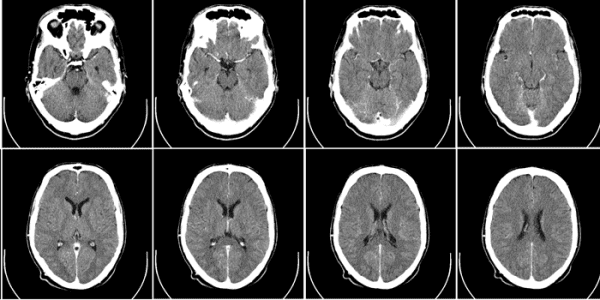
Study Rundown: ICH is associated with high rates of morbidity and mortality.  Inflammatory cascades activated by the initial hematoma accelerate the formation of perihematomal edema (PHE), which peaks in size in 5-6 days and exacerbates mass effect and cell death.  Previous therapies have focused on reducing cerebral edema but no therapies have tried to alter this destructive inflammatory cascade.  Fingolimod (FTY720, Gilemya), a Sphingosine 1-phosphate receptor modulator that reduces lymphocyte migration into the brain, is currently FDA approved for the treatment of relapsing form of multiple sclerosis.  In addition, it also penetrates the CNS and acts directly on neural and glial cells. These properties have in fact been shown to improve short and long term outcomes in rat models.

In this evaluator-blinded, proof-of-concept study, patients admitted to Tianjin Medical University General Hospital with ICH either received standard management or standard management + fingolimod.  Patients treated with fingolimod saw a reduction in circulating lymphocytes, PHE volume, improvement in Glasgow Coma Scale (GCS) score and NIH stroke score as compared to patients receiving standard therapy.  Limitations of the study include the fact that only 23 patients were included in the study.  As this is a proof-of-concept trial, further expanded trials need to be performed to reach any conclusions on fingolimod’s efficacy.

Click to read the study, published today in JAMA Neurology

RELATED REPORTS

Early control of systolic blood pressure following intracerebral hemorrhage may improve functional recovery

2 Minute Medicine Rewind March 23, 2026

Early anticoagulation after stroke decreases recurrence without increasing bleeding in patients with atrial fibrillation

Relevant Reading: Intracerebral haemorrhage: mechanisms of injury and therapeutic targets

In-Depth [proof-of-concept study]:  After screening 220 patients, 23 patients with primary supratentorial ICH with hematomal volume between 5 to 30 mL, whose symptom onset was less than 72 hours prior to admission, and GCS score of more than 6,  were included in the trial.  Patients either received standard therapy or fingolimod orally for three consecutive days in addition to standard therapy. Clinical assessments were performed by two neruologists who were blinded to treatment.

As noted above, patients treated with fingolimod had a reduction in neurologic impairment with improvement in the GCS score to 15 by day 7 as compared to the control group (100% vs. 50%, p=. 01).  At 3 months, more patients receiving fingolimod achieved full recovery of neurologic function (modified ranking scale score range, 0-1; 63% vs. 0%; p = .001).  PHE volume was also significantly smaller in the fingolimod-treated group.  No differences were observed in the rates of adverse events between the groups.

Image: PD

©2012-2014 2minutemedicine.com. All rights reserved. No works may be reproduced without expressed written consent from 2minutemedicine.com. Disclaimer: We present factual information directly from peer reviewed medical journals. No post should be construed as medical advice and is not intended as such by the authors, editors, staff or by 2minutemedicine.com. PLEASE SEE A HEALTHCARE PROVIDER IN YOUR AREA IF YOU SEEK MEDICAL ADVICE OF ANY SORT.
Tags: Fingolimod (Gilemya)intracerebral hemorrhage
Previous Post

Preterm infant mortality lower at high volume neonatal centers

Next Post

Childhood tuberculosis incidence may be 25% higher than prior estimates

RelatedReports

No difference in mortality for intensive versus standard reduction in blood pressure in intracerebral hemorrhage: The ATACH-2 trial
Emergency

Early control of systolic blood pressure following intracerebral hemorrhage may improve functional recovery

March 24, 2026
Risk of autism in offspring linked to maternal pregestational diabetes and severe obesity
Weekly Rewinds

2 Minute Medicine Rewind March 23, 2026

March 23, 2026
Intensive rehabilitation not superior to traditional therapy for arm function after stroke
Cardiology

Early anticoagulation after stroke decreases recurrence without increasing bleeding in patients with atrial fibrillation

July 29, 2025
No difference in mortality for intensive versus standard reduction in blood pressure in intracerebral hemorrhage: The ATACH-2 trial
Emergency

Andexanet reduces hematoma expansion in factor Xa inhibitor-associated intracerebral hemorrhage

June 11, 2024
Next Post
Isoniazid for tuberculosis control ineffective in high-risk clusters

Childhood tuberculosis incidence may be 25% higher than prior estimates

Number of lives saved due to tobacco control continues to rise

Varenicline (Chantix) with nicotine patches effective in smoking cessation

Classics Series, Landmark Trials in Medicine

Fidaxomicin vs. vancomycin in C. difficile infection [Classics Series]

2 Minute Medicine® is an award winning, physician-run, expert medical media company. Our content is curated, written and edited by practicing health professionals who have clinical and scientific expertise in their field of reporting. Our editorial management team is comprised of highly-trained MD physicians. Join numerous brands, companies, and hospitals who trust our licensed content.

Recent Reports

  • 2 Minute Medicine Rewind April 13, 2026
  • Drying prior to plastic wrapping may not provide thermoregulatory benefits in infants admitted to the neonatal intensive care unit
  • Brown University study warns of systemic ethical risks in artificial intelligence therapy chatbots
License Content
Terms of Use | Disclaimer
Cookie Policy
Privacy Statement (EU)
Disclaimer

The Classics in Medicine Paperback Released!

Over the past 30 years, the transition from print to digital media has contributed to an exponential increase in medical literature. In response, 2 Minute Medicine presents 160+ authoritative, physician-written summaries of the most cited landmark trials in medicine.

amazon-logo_blackGet-it-on-iBooks-badge

Click anywhere to close this announcement

  • Specialties
    • All Specialties, All Recent Reports
    • Cardiology
    • Chronic Disease
    • Dermatology
    • Emergency
    • Endocrinology
    • Gastroenterology
    • Imaging and Intervention
    • Infectious Disease
    • Nephrology
    • Neurology
    • Obstetrics
    • Oncology
    • Ophthalmology
    • Pediatrics
    • Pharma
    • Preclinical
    • Psychiatry
    • Public Health
    • Pulmonology
    • Rheumatology
    • Surgery
  • Tools
    • EvidencePulse™
    • RVU Search
    • NPI Registry Lookup
  • Pharma
  • AI News
  • The Scan
  • Classics™
    • 2MM+ Online Access
    • Paperback and Ebook
  • Rewinds
  • Partners
    • License Content
    • Submit Press Release
    • Advertise with Us
  • Account
    • Subscribe
    • Sign-in
    • My account
No Result
View All Result

© 2026 2 Minute Medicine, Inc. - Physician-written medical news.