2 Minute Medicine Rewind May 11, 2026
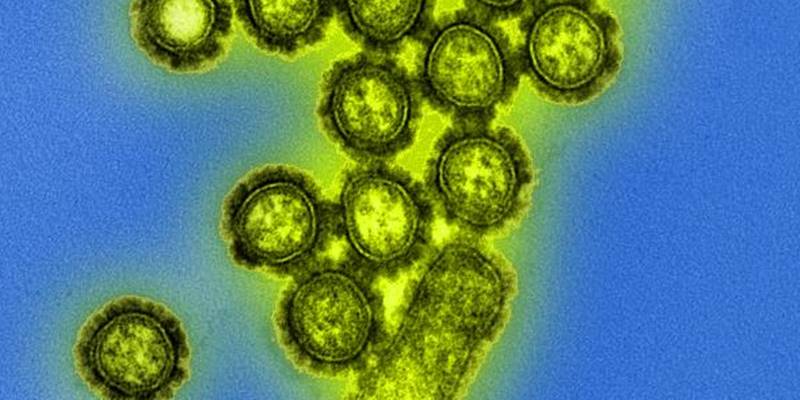
Adjuvanted vs High-Dose Influenza Vaccines in Older US Adults
1. Adjuvanted influenza vaccines did not differ significantly in effectiveness compared to high-dose influenza vaccines against laboratory-confirmed influenza and influenza-related hospitalizations or emergency department (ED) visits in adult patients.
Evidence Rating Level: 1 (Excellent)
Influenza burden is greatest among older adults, with 70% to 85% of influenza-related deaths and 50% to 70% of influenza-related hospitalizations occurring among adults aged 65 years or older. Current guidelines recommend either an adjuvanted inactivated influenza vaccine or a high-dose influenza vaccine, both of which have been shown to provide greater protection compared to standard-dose influenza vaccines. However, no randomized studies have compared the effectiveness of adjuvanted and high-dose vaccines. This cluster-randomized crossover study included patients aged 65 years or older across 65 healthcare facilities within a healthcare system. These facilities were randomized to block A (33 facilities) or block B (32 facilities). In the first week of the influenza vaccination season, block A facilities administered high-dose vaccines and block B facilities administered adjuvanted vaccines. Each facility switched to the other formulation for every week thereafter. Of 429,595 patients, 212,875 (49.6%; mean [SD] age, 75 [7] years; 55.1% female) received adjuvanted vaccine, and 216,720 (50.4%; mean [SD] age, 75 [7] years; 55.2% female) received high-dose influenza vaccine. The primary outcome was PCR-confirmed influenza in any clinical setting. Among those receiving an adjuvanted influenza vaccine, 22,650 had a polymerase chain reaction (PCR) test (10.6%), and 836 tested positive for influenza (3.93 per 1000 persons), of whom 411 (49.2%) were hospitalized (n = 169) or had an ED visit (n = 242) for influenza (1.93 per 1000 persons). Among those receiving a high-dose influenza vaccine, 22,887 had a PCR test (10.6%), and 867 tested positive for influenza (4.00 per 1000 persons), of whom 466 (53.7%) were hospitalized (n = 196) or had an ED visit (n = 270) for influenza (2.15 per 1000 persons). The relative vaccine effectiveness of adjuvanted compared with high-dose influenza vaccine was 1.5% (95% CI, −8.4% to 10.5%) against influenza and 9.1% (95% CI, −4.0% to 20.4%) against influenza with hospitalization or emergency department visits. Therefore, there is no significant difference in effectiveness between adjuvanted and high-dose influenza vaccines, supporting current guidelines recommending either one in adults 65 years or older.
1. Resuscitative endovascular balloon occlusion of the aorta (REBOA) as an adjunct to advanced life support (ALS) does not improve rates of return of spontaneous circulation (ROSC) in adult patients with non-traumatic out-of-hospital cardiac arrest (OHCA).
Evidence Rating Level: 1 (Excellent)
OHCA remains associated with extremely high mortality, with most patients not achieving ROSC, and only 10% of patients surviving to hospital discharge. REBOA involves temporarily occluding the aorta with an inflatable balloon catheter inserted percutaneously through the femoral artery and is primarily used to control life-threatening subdiaphragmatic hemorrhage. However, studies including REBOA as an adjunct to ALS have shown improved cerebral and coronary perfusion and ROSC rates. This study sought to evaluate the effectiveness of prehospital REBOA as an adjunct to ALS in patients with non-traumatic OHCA. Adult patients aged 18-80 years with non-traumatic OHCA were randomly assigned to receive ALS (control; n = 91; median [IQR] age, 69 [58-74] years; 26% female) or ALS combined with REBOA (intervention; n = 88; median [IQR] age, 68 [59-74.5] years; 22% female). 25 patients (28%) in the intervention group and 24 patients (25%) in the control group achieved sustained ROSC (adjusted risk difference (aRD) 1.8% [-11, 15, 95% CI], p = 0.78). There were no significant differences in the proportion of patients in the intervention vs. control group who achieved a modified Rankin Scale score of 0-3 (6% vs. 3%, p = 0.47), mean left ventricular ejection fraction (39% vs. 33%, p = 0.23), or survival at 30 days (7% vs. 7%, p = 0.99). While REBOA as an adjunct to ALS was feasible, it did not seem to significantly improve rates of ROSC or overall survival compared to ALS alone.
Genotype-Guided Antidepressant Prescribing for Patients With Depression
1. Genotype-guided prescribing of selective serotonin reuptake inhibitors (SSRIs) may improve treatment response in children and adults with depression.
Evidence Rating Level: 1 (Excellent)
Although SSRIs are the most prescribed pharmacotherapy for depression, discontinuation rates remain high, with some studies reporting up to 50% discontinuation due to ineffectiveness or adverse effects. Pharmacogenetic testing may provide individualized therapy by assessing CYP2D6 and CYP2C19 variation. This randomized clinical trial included patients 8 years or older with at least 3 months of depressive symptoms. The authors used Clinical Pharmacogenetics Implementation Consortium (CPIC) guidelines to interpret CYP activity, defining an actionable pharmacogenomic phenotype as one for which CPIC guidelines recommend alternative medication selection or dose adjustment. 1460 total patients were randomized to receive either genotype-guided treatment (n = 727) or usual care (n = 733). 341 patients (48 patients aged 8-17 years, mean [SD] age, 14.5 [1.6] years; 293 patients aged 18+ years, mean [SD] age, 41.0 [16.3] years; 72.7% female) had actionable pharmacogenic phenotypes in the usual care group. 351 patients (49 patients aged 8-17 years, mean [SD] age, 14.4 [1.7] years; 302 patients aged 18+ years, mean [SD] age, 40.2 [16.1] years; 75.8% female) had actionable pharmacogenic phenotypes in the genotype-guided group. At 3 months, there were no significant differences in change in Patient-Reported Outcomes Measurement Information System (PROMIS) depression T scores between the genotype-guided and usual-care groups (mean [SD] change, –4.3 [8.4] vs –4.0 [8.1]; P = .68). There were no significant differences in Patient Health Questionnaire-8 score change (mean [SD] change, –3.3 [5.2] vs –2.7 [4.8]; P = .13) or medication adverse effect burden. However, at 6 months, the intervention group had significantly higher PROMIS depression T-score remission rates, defined as score ≤16 (153 of 317 patients [48.3%] vs 122 of 310 patients [39.4%]; P = .02).
1. Sequential and upfront treatment of metastatic colorectal cancer (mCRC) with oxaliplatin (OX)-based therapy does not lead to significantly different overall survival.
Evidence Rating Level: 1 (Excellent)
While the incidence of mCRC rises sharply with age, clinical trials predominantly exclude patients over 65 years. Recent studies have shown triple therapy with fluoropyrimidine (FP), bevacizumab (BEV), and dose-adjusted chemotherapy to be a viable option for older patients. However, it is unclear if these patients should receive chemotherapy upfront or as an escalation strategy. This open-label, randomized, multicenter phase III trial included 311 patients who were randomized to receive FP (either capecitabine or 5-fluorouracil) and BEV followed by escalation to OX (sequential arm; n = 151; 79 patients < 70 years, 72 patients ≥ 70 years; 45.0% female) or FP (either capecitabine or 5-fluorouracil), BEV, and OX upfront (upfront arm; n 149; 72 patients < 70 years, 77 patients ≥ 70 years; 38.9% female). Patients in the sequential arm had OX added within one month of radiologic progression. There was no significant difference in median overall survival between the sequential treatment and upfront treatment arms (27.2 months vs. 27.4 months; hazard ratio, 1.00; 95% confidence interval, 0.76–1.33; p = 0.98). Patients ≥ 70 years had shorter overall survival compared with patients < 70 years (sequential arm: HR 1.44, 95% CI, 0.96–2.16; upfront arm: HR 1.77, 95% CI, 1.17–2.66). There was no significant interaction between age and overall survival (interaction p = 0.45). Quality of life was assessed with the European Organisation for Research and Treatment of Cancer Quality of Life Questionnaire Core 30, which showed significantly smaller declines in physical functioning in the sequential treatment arm at 6 months (mean difference from baseline [SD], -1.02 [14.13] vs. -8.48 [18.32]; p = 0.0241) and 12 months (mean difference from baseline [SD], -2.92 [19.4] vs. -11.52 [15.39]; p = 0.0393), although this difference was no longer significant at 18 months. Overall, sequential and upfront treatment seem to yield similar survival outcomes, with sequential treatment possibly associated with a lower early treatment burden.
1. Renal point-of-care ultrasound (rPOCUS) findings of hydronephrosis in adult patients presenting to the emergency department (ED) with suspected renal colic were significantly associated with the presence of nephrolithiasis.
Evidence Rating Level: 2 (Good)
Computed tomography (CT) is the best imaging modality for identifying nephrolithiasis. However, it exposes patients to radiation, leads to increased ED resource utilization and longer length of stay, and reveals incidental findings that often lead to downstream testing without benefit. rPOCUS allows providers to provide rapid, bedside assessment of hydronephrosis, a clinically meaningful marker of urethral obstruction. Previous studies have shown that ultrasound-first imaging strategies result in similar clinical outcomes to CT-first strategies. This single-centre, retrospective cohort study included patients 18 years and older who underwent rPOCUS for evaluation of suspected renal colic. Among 188 patients, 89 (47.3%; mean [SD] age, 47.4 [17.1] years; 51% female) demonstrated hydronephrosis, and 99 (52.7%; mean [SD] age, 44.8 [15.9] years; 59% female) did not. The presence of hydronephrosis was significantly associated with a higher rate of nephrolithiasis history (65% vs. 51%; p = 0.03), prior urologic procedures (27% vs. 14%; p = 0.029), abnormal renal function (28% vs. 13%; p = 0.025), symptom duration of less than 24 hours (56% vs. 33%; p = 0.0013), presenting with a chief complaint of kidney stone (24% vs. 9%; p = 0.0067). It also predicted receiving a final ED diagnosis of renal colic (78% vs. 27%; p < 0.001). CT scans were more often obtained in patients with hydronephrosis (72% vs 44%; adjusted OR 2.63, 95% CI 1.29–5.46). Mean length of stay did not differ by hydronephrosis status (269 vs 273 minutes; p = 0.81), but LOS was longer when CT was performed (p < 0.01). These findings suggest rPOCUS is effective at correctly identifying patients with nephrolithiasis, although operational benefits were limited as these patients often continued to receive CT imaging.
Image: PD
©2026 2 Minute Medicine, Inc. All rights reserved. No works may be reproduced without expressed written consent from 2 Minute Medicine, Inc. Inquire about licensing here. No article should be construed as medical advice and is not intended as such by the authors or by 2 Minute Medicine, Inc.