• About
  • Masthead
  • License Content
  • Advertise
  • Submit Press Release
  • RSS/Email List
  • 2MM Podcast
  • Write for us
  • Contact Us
2 Minute Medicine
No Result
View All Result

No products in the cart.

SUBSCRIBE
  • About
  • Specialties
    • All Specialties, All Recent Reports
    • Cardiology
    • Chronic Disease
    • Dermatology
    • Emergency
    • Endocrinology
    • Gastroenterology
    • Imaging and Intervention
    • Infectious Disease
    • Nephrology
    • Neurology
    • Obstetrics
    • Oncology
    • Ophthalmology
    • Pediatrics
    • Pharma
    • Preclinical
    • Psychiatry
    • Public Health
    • Pulmonology
    • Rheumatology
    • Surgery
  • Tools+
    • EvidencePulse™
    • HypeCheck™
    • NPI Registry Lookup
    • RVU Search
  • Pharma
  • AI Roundup
  • The Scan+
  • Classics™+
    • 2MM+ Online Access
    • Paperback and Ebook
  • Rewinds
  • Partners
    • License Content
    • Submit Press Release
    • Advertise with Us
  • Account
    • Subscribe
    • My account
    • Cart
    • Sign-in
2 Minute Medicine
  • About
  • Specialties
    • All Specialties, All Recent Reports
    • Cardiology
    • Chronic Disease
    • Dermatology
    • Emergency
    • Endocrinology
    • Gastroenterology
    • Imaging and Intervention
    • Infectious Disease
    • Nephrology
    • Neurology
    • Obstetrics
    • Oncology
    • Ophthalmology
    • Pediatrics
    • Pharma
    • Preclinical
    • Psychiatry
    • Public Health
    • Pulmonology
    • Rheumatology
    • Surgery
  • Tools+
    • EvidencePulse™
    • HypeCheck™
    • NPI Registry Lookup
    • RVU Search
  • Pharma
  • AI Roundup
  • The Scan+
  • Classics™+
    • 2MM+ Online Access
    • Paperback and Ebook
  • Rewinds
  • Partners
    • License Content
    • Submit Press Release
    • Advertise with Us
  • Account
    • Subscribe
    • My account
    • Cart
    • Sign-in
SUBSCRIBE
2 Minute Medicine
Subscribe
EvidencePulse™ by 2 Minute Medicine 2026 evidence scan 3 reports You asked top stroke trials 2026 Synthesizing medical evidence... Top 2026 stroke trial results: OCEANIC — ischemic stroke: 6.2% vs 8.4% OPTION* — mRS 0–1: 43.6% vs 34.2% ORIENTAL* — mRS 0–2: 58.6% vs 46.6% *Higher sICH in intervention arms Participants randomizedN OCEANIC 12,327 OPTION 570 ORIENTAL 564 Ask about guidelines or landmark trials... ↑ Try EvidencePulse™ Ask the evidence.
Get the signal.
Try it now → Physician-trained medical AI by 2 Minute Medicine
Home All Specialties Pediatrics

High prevalence of pediatric dosing errors suggests unit standardization

byNeha JoshiandLeah Carr, MD
July 14, 2014
in Pediatrics, Public Health
Reading Time: 3 mins read
Share on FacebookShare on Twitter

1. Over 40% of studied parents demonstrated errors in pediatric liquid medication dosing when compared to the physician’s intended dose.

2. Parents using teaspoon or tablespoon measurements were significantly more likely than those using milliliter measurements (45.1% vs 31.4%) to make an error when dosing liquid medications.

Evidence Rating Level: 2 (Good)

Study Rundown: Most medications for young children are in liquid form, requiring precise weight-based dosing to ensure pediatric patient safety. Currently, no standard unit of measurement for pediatric medications prescribed in the United States exists; as such, both physicians and pharmacists often write and dispense for liquid medications in milliliters, teaspoons, and tablespoons. This study examined medication administration of parents of young children and found a high prevalence of parental dosing errors. Such errors were magnified when teaspoon and tablespoon units were used, and in populations with low health literacy. The findings also showed that parents often used nonstandard instruments to deliver medications, such as kitchen spoons as opposed to a standardized dosing cup or syringe. This study may be limited in that families enrolled in the study were asked to demonstrate how they delivered their child’s medications within 8 weeks after the end of treatment, a substantial time lag that could have impacted participant’s ability to recall accurately. Regardless, the study’s findings of pediatric dosing errors emphasize the need for regulatory efforts in standardizing liquid medication with a recommendation to prescribe and deliver in solely milliliters.

Click to read the study, published today in Pediatrics

Relevant Reading: Randomized Control Trial of a Pictogram-Based Intervention to Reduce Liquid Medication Dosing Errors and Improve Adherence Among Caregivers of Young Children

RELATED REPORTS

Poor communication closely associated with patient safety incidents

Policy statement outlines ways to improve pediatric medication safety

High error rate among parents measuring liquid medications

In-Depth [cross-sectional study]: This cross-sectional study enrolled 287 (child mean age = 3.5 years) English or Spanish-speaking families whose children were age < 9 years and prescribed daily liquid medications for a duration of ≤ 14 days from 1 of 2 Emergency Departments in the New York City area. Parents were contacted via phone within 2 weeks, and observed in person within 8 weeks, after the end of the treatment period. Data collection included the prescribed dose, parents’ intended dose, and actual dose demonstrated by parent at the in person visit. Error was defined as > 20% difference from prescribed or intended dose. Overall, 41.1% of parents made errors when compared to the prescribed dose, and 39.4% in comparison to the parents’ intended dose. Nonstandard instruments (ex: kitchen spoon) were used by 16.7% of parents, with the significant majority of these parents reporting dosing in teaspoon or tablespoons as opposed to milliliter dosing (30.7% vs 1.0%, P < 0.001). Parents utilizing teaspoon and tablespoon measurements were more likely to make errors compared to milliliter users; this held true for both prescribed (45.1% vs 31.4%, P = 0.04) and intended (42.5% vs 27.6%, P = 0.02) errors. Changes in units between physician ordering and pharmacy delivery occurred in 36.7% of prescriptions. Deviation errors from the prescribed dose were magnified in Spanish-speaking and low health literacy families.

More from this author: Sexting linked to sexual activity in middle school students, Possible benefit in omega-3 supplementation for extremely preterm infants, PTSD symptoms in Boston-area youth after marathon bombing, AAP issues update on iodine deficiency and associated pollutants, Duration of post-concussive symptoms identified in pediatric patients

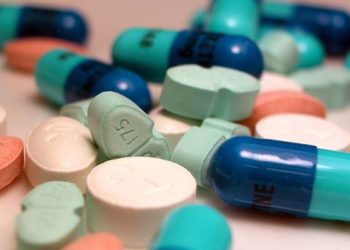
Image: PD

©2012-2014 2minutemedicine.com. All rights reserved. No works may be reproduced without expressed written consent from 2minutemedicine.com. Disclaimer: We present factual information directly from peer reviewed medical journals. No post should be construed as medical advice and is not intended as such by the authors, editors, staff or by 2minutemedicine.com. PLEASE SEE A HEALTHCARE PROVIDER IN YOUR AREA IF YOU SEEK MEDICAL ADVICE OF ANY SORT.  

Tags: medication errors
Previous Post

Risk factors for sleep-related deaths may differ by age

Next Post

2 Minute Medicine Rewind July 8 – July 15, 2014

RelatedReports

Shared decision-making may be limited in PICU end-of-life discussions
Public Health

Poor communication closely associated with patient safety incidents

April 15, 2025
Ultrasound enhances gastrointestinal absorption of drugs at low frequencies
Pediatrics

Policy statement outlines ways to improve pediatric medication safety

March 1, 2018
High error rate among parents measuring liquid medications
Pediatrics

High error rate among parents measuring liquid medications

September 12, 2016
2 Minute Medicine Rewind November 3 – November 9, 2014
Cardiology

2 Minute Medicine Rewind November 3 – November 9, 2014

November 10, 2014
Next Post
Increased infections noted with longer duration neonatal PICC placement

2 Minute Medicine Rewind July 8 – July 15, 2014

Social integration may reduce suicide risk in male health professionals

Social integration may reduce suicide risk in male health professionals

Improved hematologic cancer survival in Europe over a 15 year period [EUROCARE-5 study]

Improved hematologic cancer survival in Europe over a 15 year period [EUROCARE-5 study]

EvidencePulse™ by 2 Minute Medicine 2026 evidence scan 3 reports You asked top stroke trials 2026 Synthesizing medical evidence... Top 2026 stroke trial results: OCEANIC — ischemic stroke: 6.2% vs 8.4% OPTION* — mRS 0–1: 43.6% vs 34.2% ORIENTAL* — mRS 0–2: 58.6% vs 46.6% *Higher sICH in intervention arms Participants randomizedN OCEANIC 12,327 OPTION 570 ORIENTAL 564 Ask about guidelines or landmark trials... ↑ Try EvidencePulse™ Ask the evidence.
Get the signal.
Try it now → Physician-trained medical AI by 2 Minute Medicine

2MM+ All Access

Full details →
$4.99 /month

5-day free trial · cancel anytime

  • ✓100+ physician-written reports
  • ✓EvidencePulse™ + HypeCheck™
  • ✓Ad-free reading + newsletters
Start 5-day free trial

Then $4.99/month. Manage renewal in your account.

2 Minute Medicine® is an award winning, physician-run, expert medical media company. Our content is curated, written and edited by practicing health professionals who have clinical and scientific expertise in their field of reporting. Our editorial management team is comprised of highly-trained MD physicians. Join numerous brands, companies, and hospitals who trust our licensed content.

Recent Reports

  • Daraxonrasib extends survival in metastatic pancreatic cancer
  • Artificial intelligence (AI) scribes showed mixed effects on documentation time and improvements in physician well-being
  • A lower threshold for referral to the emergency department for outpatient hyperkalemia may reduce mortality
License Content
Terms of Use | Disclaimer
Cookie Policy
Cleantalk Pixel
2MM+ All Access Full details →

The medical literature, distilled daily.

Monthly plan selected: $4.99 /month.

$4.99/month

5-day free trial · cancel anytime

Start 5-day free trial

Then $4.99/month. Manage renewal in your account.

Yearly plan selected: $49.90 /year.

$49.90/year

2 months free · only $4.16/month

Start 5-day free trial

Then $49.90/year. Manage renewal in your account.

Membership benefits

  • ✓100+ physician-written reports
  • ✓AI EvidencePulse™ + HypeCheck™
  • ✓Ad-free reading + newsletters

Already a member? Sign in

  • About
  • Specialties
    • All Specialties, All Recent Reports
    • Cardiology
    • Chronic Disease
    • Dermatology
    • Emergency
    • Endocrinology
    • Gastroenterology
    • Imaging and Intervention
    • Infectious Disease
    • Nephrology
    • Neurology
    • Obstetrics
    • Oncology
    • Ophthalmology
    • Pediatrics
    • Pharma
    • Preclinical
    • Psychiatry
    • Public Health
    • Pulmonology
    • Rheumatology
    • Surgery
  • Tools
    • EvidencePulse™
    • HypeCheck™
    • NPI Registry Lookup
    • RVU Search
  • Pharma
  • AI Roundup
  • The Scan
  • Classics™
    • 2MM+ Online Access
    • Paperback and Ebook
  • Rewinds
  • Partners
    • License Content
    • Submit Press Release
    • Advertise with Us
  • Account
    • Subscribe
    • My account
    • Cart
    • Sign-in
No Result
View All Result

© 2026 2 Minute Medicine, Inc. - Physician-written medical news.