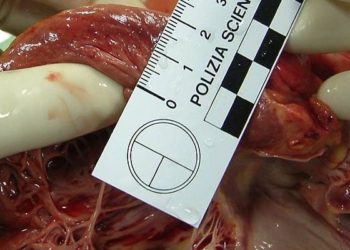






Left atrial appendage closure is safe and effective in atrial fibrillation
1. Left atrial appendage closure (LAAC) was well tolerated and may be considered as an alternative to oral anticoagulation (OAC) for stroke prevention in patients with atrial fibrillation refusing oral anticoagulation.
Evidence Rating Level: 2 (Good)
While OAC remains the first-line prevention therapy of ischemic stroke in patients with atrial fibrillation, patients sometimes refuse it despite medical advice due to concerns of bleeding risk or opposition to chronic use of medications. Left atrial appendage closure (LAAC) is a minimally invasive procedure that excludes the left atrial appendage from systemic circulation to reduce the risk of thromboembolism. LAAC is recommended for patients with contraindications to long-term anticoagulation and has been shown to be non-inferior to vitamin-K antagonists in preventing stroke. This retrospective, multicenter, observational cohort study therefore sought to compare the safety and efficacy of LAAC with OAC in patients with atrial fibrillation. 2649 patients with atrial fibrillation who underwent LAAC were initially screened to identify 119 patients who received the intervention due to OAC refusal and compared with a control group of 238 patients. The rate of procedural complications did not differ significantly between the two groups (1.7% versus 4.6%; adjusted risk ratio: 0.56; 95% CI, 0.13–2.43; P=0.440). At 3 years, the composite of cardiovascular death, stroke, or systemic embolism was significantly lower in the refusal group (adjHR, 0.37 [95% CI, 0.14–0.99]; P=0.048). This may be explained by the finding that refusal patients were significantly younger (68.1±10.1 versus 75.0±8.6; P <0.001) and had significantly fewer comorbidities, including hypertension, diabetes, and chronic kidney dysfunction. These results suggest LAAC might be considered as an alternative to oral anticoagulation for stroke prevention in patients who are rigidly drug adverse. However, larger, randomized trials are required to provide a definitive answer about non-inferiority.
Click here to read this study in Journal of the American Heart Association
Image: PD
©2025 2 Minute Medicine, Inc. All rights reserved. No works may be reproduced without expressed written consent from 2 Minute Medicine, Inc. Inquire about licensing here. No article should be construed as medical advice and is not intended as such by the authors or by 2 Minute Medicine, Inc.
RelatedReports