• About
  • Masthead
  • License Content
  • Advertise
  • Submit Press Release
  • RSS/Email List
  • 2MM Podcast
  • Write for us
  • Contact Us
2 Minute Medicine
No Result
View All Result

No products in the cart.

SUBSCRIBE
  • About
  • Specialties
    • All Specialties, All Recent Reports
    • Cardiology
    • Chronic Disease
    • Dermatology
    • Emergency
    • Endocrinology
    • Gastroenterology
    • Imaging and Intervention
    • Infectious Disease
    • Nephrology
    • Neurology
    • Obstetrics
    • Oncology
    • Ophthalmology
    • Pediatrics
    • Pharma
    • Preclinical
    • Psychiatry
    • Public Health
    • Pulmonology
    • Rheumatology
    • Surgery
  • Tools+
    • EvidencePulse™
    • HypeCheck™
    • NPI Registry Lookup
    • RVU Search
  • Pharma
  • AI Roundup
  • The Scan+
  • Classics™+
    • 2MM+ Online Access
    • Paperback and Ebook
  • Rewinds
  • Partners
    • License Content
    • Submit Press Release
    • Advertise with Us
  • Account
    • Subscribe
    • My account
    • Cart
    • Sign-in
2 Minute Medicine
  • About
  • Specialties
    • All Specialties, All Recent Reports
    • Cardiology
    • Chronic Disease
    • Dermatology
    • Emergency
    • Endocrinology
    • Gastroenterology
    • Imaging and Intervention
    • Infectious Disease
    • Nephrology
    • Neurology
    • Obstetrics
    • Oncology
    • Ophthalmology
    • Pediatrics
    • Pharma
    • Preclinical
    • Psychiatry
    • Public Health
    • Pulmonology
    • Rheumatology
    • Surgery
  • Tools+
    • EvidencePulse™
    • HypeCheck™
    • NPI Registry Lookup
    • RVU Search
  • Pharma
  • AI Roundup
  • The Scan+
  • Classics™+
    • 2MM+ Online Access
    • Paperback and Ebook
  • Rewinds
  • Partners
    • License Content
    • Submit Press Release
    • Advertise with Us
  • Account
    • Subscribe
    • My account
    • Cart
    • Sign-in
SUBSCRIBE
2 Minute Medicine
Subscribe
Home All Specialties Chronic Disease

Moderate seafood consumption associated with decreased risk of Alzheimer pathology
byJohn PrendergassandMichael Milligan
February 3, 2016
in Chronic Disease, Neurology
Reading Time: 2 mins read
Genetic risk assessment for Alzheimer’s disease does not increase anxiety, depression or stress
Share on FacebookShare on Twitter

1. Seafood consumption (>1 meal/week) associated with decreased Alzheimer disease neuropathology among apolipoprotein E (APOE ε4) carriers.

2. Cortical mercury and selenium levels were positively correlated with the number of seafood meals consumed per week.

Evidence Rating Level: 3 (Average)

Study Rundown: Seafood consumption is considered a mainstay of many healthy diets, particularly due to its macronutrient make-up, high in levels of the long-chain omega-3 fatty acids. However, seafood is also known to be a source of mercury, a neurotoxin, which when ingested in large amounts can lead to neurocognitive impairment, among other ailments. Despite potentially concerning levels of mercury, many seafood products also contain selenium, which serves to bind mercury and reduce its toxicity. With all of these potentially overlapping effects of seafood on neurological health, the purpose of this cross-sectional analysis was to study the association between neuropathologies like Alzheimer disease, dietary omega-3 fatty acids, and brain levels of mercury and selenium.

The study found that seafood consumption was indeed correlated with higher brain levels of mercury. However, mercury levels were not significantly associated with increased brain neuropathology. Overall an increased seafood consumption was associated with less Alzheimer pathology among those at the greatest risk of developing Alzheimer disease—APOE ε4 carriers. The relationship between seafood consumption and neuropathology was not significant among those without the APOE ε4 gene. This study was limited by a low proportion of participants completing the dietary questionnaires and a relatively narrow demographic spread. However, it is one of the first investigations into the effect of mercury levels on brain neuropathology. Future studies should widen the sample population while strengthening the number of participants with both dietary and pathological data.

Click to read the study, published today in JAMA

RELATED REPORTS

The Scan by 2 Minute Medicine®: popular joint supplement raises Alzheimer’s red flags, the gut health industry is outrunning the science, chronic wasting disease is spreading silently and scientists are watching closely, and the oral GLP-1 pill era begins with Foundayo

The Scan by 2 Minute Medicine®: Versatile Ozempic, Healthcare Reform, Unlocking the Brain, and Chickens and the Next Pandemic:

Caregivers of people with dementia may benefit from online decision aid when managing firearm access

Relevant Reading: Consumption of fish and n-3 fatty acids and risk of incident Alzheimer disease

In-Depth [cross-sectional study]: This cross-sectional analysis evaluated 286 autopsied brain specimens from deceased participants at the Rush Memory and Aging Project (MAP). Specimens were included among patients who died between November 2004 and November 2013 and who completed a dietary assessment prior to death. Brain cortical mercury levels were positively correlated with the number of seafood meals consumed per week (ρ 0.16,  p = 0.02). After adjusting for age, sex, education, and total energy intake, seafood consumption was significantly correlated with decreased risk of neuropathologically defined Alzheimer disease among APOE ε4 carriers (β −0.53 score units; 95%CI −0.96 to −0.10). Of note, further increases in omega-3 fatty acid supplementation was not correlated with any changes in the risk of Alzheimer pathology.

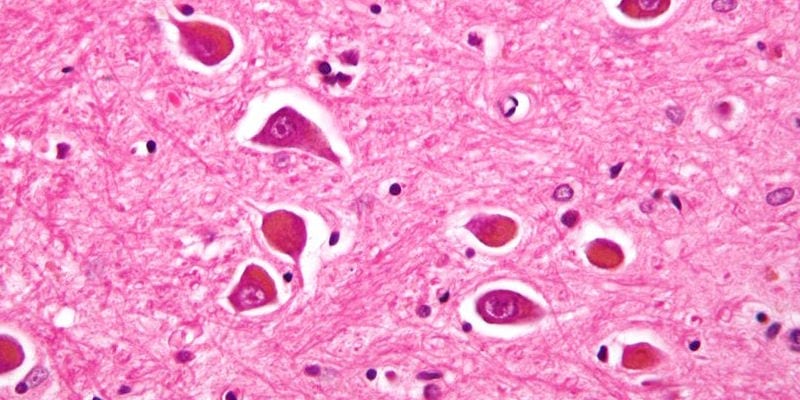
Image: CC/Wiki

©2016 2 Minute Medicine, Inc. All rights reserved. No works may be reproduced without expressed written consent from 2 Minute Medicine, Inc. Inquire about licensing here. No article should be construed as medical advice and is not intended as such by the authors or by 2 Minute Medicine, Inc.

Tags: Alzheimer’s disease
Previous Post

Dupilumab linked to improved symptoms in refractory chronic sinusitis and nasal polyposis

Next Post

Antibiotics not linked to improved recovery in acute malnutrition

RelatedReports

The Scan by 2 Minute Medicine®:  Ultra-Trail du Mont-Blanc, Taylor Swift, NBA rookie Chet Holmgren and Magic Mushrooms!
Chronic Disease

The Scan by 2 Minute Medicine®: popular joint supplement raises Alzheimer’s red flags, the gut health industry is outrunning the science, chronic wasting disease is spreading silently and scientists are watching closely, and the oral GLP-1 pill era begins with Foundayo

July 9, 2026
The Scan by 2 Minute Medicine®:  Ultra-Trail du Mont-Blanc, Taylor Swift, NBA rookie Chet Holmgren and Magic Mushrooms!
The Scan by 2 Minute Medicine®

The Scan by 2 Minute Medicine®: Versatile Ozempic, Healthcare Reform, Unlocking the Brain, and Chickens and the Next Pandemic:

January 7, 2025
Public Health

Caregivers of people with dementia may benefit from online decision aid when managing firearm access

October 22, 2024
Neurology

High-sugar dietary pattern associated with increased risk of dementia

July 25, 2024
Next Post
Oral amoxicillin as effective as injectable benzylpenicillin-gentamicin for infants with infection in which referral not possible [AFRINEST Trial]

Antibiotics not linked to improved recovery in acute malnutrition

Past marijuana exposure linked to impaired verbal memory

Past marijuana exposure linked to impaired verbal memory

Diet and physical activity promotion associated with decreased risk of type 2 diabetes

Metformin linked to reduced weight gain and improved insulin sensitivity in obese pregnant women without diabetes

EvidencePulse™ by 2 Minute Medicine 2026 evidence scan 3 reports You asked top stroke trials 2026 Synthesizing medical evidence... Top 2026 stroke trial results: OCEANIC — ischemic stroke: 6.2% vs 8.4% OPTION* — mRS 0–1: 43.6% vs 34.2% ORIENTAL* — mRS 0–2: 58.6% vs 46.6% *Higher sICH in intervention arms Participants randomizedN OCEANIC 12,327 OPTION 570 ORIENTAL 564 Ask about guidelines or landmark trials... ↑ Try EvidencePulse™ Ask the evidence.
Get the signal.
Try it now → Physician-trained medical AI by 2 Minute Medicine

2MM+ All Access

Full details →
$4.99 /month

5-day free trial · cancel anytime

  • ✓100+ physician-written reports
  • ✓EvidencePulse™ + HypeCheck™
  • ✓Ad-free reading + newsletters
Start 5-day free trial

Then $4.99/month. Manage renewal in your account.

2 Minute Medicine® is an award winning, physician-run, expert medical media company. Our content is curated, written and edited by practicing health professionals who have clinical and scientific expertise in their field of reporting. Our editorial management team is comprised of highly-trained MD physicians. Join numerous brands, companies, and hospitals who trust our licensed content.

Recent Reports

  • Methadone initiation linked to lower mortality compared to buprenorphine-naloxone after opioid overdose
  • Continuous femoral nerve block is not superior to continuous adductor canal block for postoperative pain following ACL reconstruction
  • 2 Minute Medicine Rewind September 7, 2026
License Content
Terms of Use | Disclaimer
Cookie Policy
Cleantalk Pixel
  • About
  • Specialties
    • All Specialties, All Recent Reports
    • Cardiology
    • Chronic Disease
    • Dermatology
    • Emergency
    • Endocrinology
    • Gastroenterology
    • Imaging and Intervention
    • Infectious Disease
    • Nephrology
    • Neurology
    • Obstetrics
    • Oncology
    • Ophthalmology
    • Pediatrics
    • Pharma
    • Preclinical
    • Psychiatry
    • Public Health
    • Pulmonology
    • Rheumatology
    • Surgery
  • Tools
    • EvidencePulse™
    • HypeCheck™
    • NPI Registry Lookup
    • RVU Search
  • Pharma
  • AI Roundup
  • The Scan
  • Classics™
    • 2MM+ Online Access
    • Paperback and Ebook
  • Rewinds
  • Partners
    • License Content
    • Submit Press Release
    • Advertise with Us
  • Account
    • Subscribe
    • My account
    • Cart
    • Sign-in
No Result
View All Result

© 2026 2 Minute Medicine, Inc. - Physician-written medical news.

2MM+ All Access Full details →

The medical literature, distilled daily.

Monthly plan selected: $4.99 /month.

$4.99/month

5-day free trial · cancel anytime

Start 5-day free trial

Then $4.99/month. Manage renewal in your account.

Yearly plan selected: $49.90 /year.

$49.90/year

2 months free · only $4.16/month

Start 5-day free trial

Then $49.90/year. Manage renewal in your account.

Membership benefits

  • ✓100+ physician-written reports
  • ✓AI EvidencePulse™ + HypeCheck™
  • ✓Ad-free reading + newsletters

Already a member? Sign in