


• About
  • Masthead
  • License Content
  • Advertise
  • Submit Press Release
  • RSS/Email List
  • 2MM Podcast
  • Write for us
  • Contact Us
2 Minute Medicine
No Result
View All Result

No products in the cart.

SUBSCRIBE
  • Specialties
    • All Specialties, All Recent Reports
    • Cardiology
    • Chronic Disease
    • Dermatology
    • Emergency
    • Endocrinology
    • Gastroenterology
    • Imaging and Intervention
    • Infectious Disease
    • Nephrology
    • Neurology
    • Obstetrics
    • Oncology
    • Ophthalmology
    • Pediatrics
    • Pharma
    • Preclinical
    • Psychiatry
    • Public Health
    • Pulmonology
    • Rheumatology
    • Surgery
  • AI EvidencePulse™
  • Pharma
  • AI News
  • The Scan+
  • Classics™+
    • 2MM+ Online Access
    • Paperback and Ebook
  • Rewinds
  • Podcasts
  • Partners
    • License Content
    • Submit Press Release
    • Advertise with Us
  • Account
    • Subscribe
    • Sign-in
    • My account
2 Minute Medicine
  • Specialties
    • All Specialties, All Recent Reports
    • Cardiology
    • Chronic Disease
    • Dermatology
    • Emergency
    • Endocrinology
    • Gastroenterology
    • Imaging and Intervention
    • Infectious Disease
    • Nephrology
    • Neurology
    • Obstetrics
    • Oncology
    • Ophthalmology
    • Pediatrics
    • Pharma
    • Preclinical
    • Psychiatry
    • Public Health
    • Pulmonology
    • Rheumatology
    • Surgery
  • AI EvidencePulse™
  • Pharma
  • AI News
  • The Scan+
  • Classics™+
    • 2MM+ Online Access
    • Paperback and Ebook
  • Rewinds
  • Podcasts
  • Partners
    • License Content
    • Submit Press Release
    • Advertise with Us
  • Account
    • Subscribe
    • Sign-in
    • My account
SUBSCRIBE
2 Minute Medicine
Subscribe
Home All Specialties Cardiology

Ophthalmologic procedures are not associated with increased risk for acute myocardial infarction

byDavid XiangandHarsh Shah
April 22, 2022
in Cardiology, Chronic Disease, Ophthalmology
Reading Time: 2 mins read
0
Share on FacebookShare on Twitter

1. Based on the study, there was no evidence of increased risk for acute myocardial infarction after an ophthalmologic procedure.

2. Outpatient ophthalmologic procedures, even when stratified on type of surgery and anesthesia, were not associated with an increased risk for acute myocardial infarction.

Evidence Rating Level: 2 (Good)

Study Rundown: Invasive surgical procedures represent physiological stressors for patients and can cause inflammation as well as immobility, which increases the risk of plaque rupture, increased platelet aggregability, and decreased fibrinolysis that can precipitate an acute myocardial infarction (AMI). Ophthalmologic procedures, done in outpatient settings, are generally less invasive, yet previous cohort studies have suggested temporal associations between ophthalmologic procedures and AMI. However, they were not designed to study the effects of transient exposures. Therefore, there is a gap in knowledge as to understanding whether ambulatory ophthalmologic procedures lead to the increased onset of AMI. This study found that ophthalmologic procedures done in an outpatient setting were not associated with an increased risk for AMI. This study was limited by factors such as potential bias from time-varying confounders between the hazard and control periods. Nevertheless, these study’s findings are significant, as they demonstrate that outpatient ophthalmologic procedures are not associated with a higher risk for AMI, and seem to be safe in general.

Click to read the study in AIM

Relevant Reading: Summary for Patients: Risk for Heart Attack After Eye Procedures

RELATED REPORTS

Identification of NSTE-ACS patients with totally occluded infarct-related artery: the role of the SAVE risk score in improved risk stratification

Smaller infarct size with ticagrelor vs. clopidogrel in STEMI patients: Insights from cardiac magnetic resonance

Clopidogrel monotherapy is superior to aspirin for secondary prevention in coronary artery disease

In-Depth [case-crossover study]: This case-crossover study utilized a population-based nationwide study from Norway and Sweden, with patients receiving outpatient ophthalmologic procedures in Norway from 2008 to 2014 or in Sweden from 2001 to 2014. Patients who were 40 years or older, with a primary diagnosis of ICD codes I21 or I22 between March 2008 and December 2016 in Norway, or between March 2001 and December 2014 in Sweden were eligible for the study. Patients who received ophthalmologic procedures outside of this time frame were excluded from the study. The primary outcome measured was exposure to ophthalmologic procedures in the 0 to 7 days before AMI diagnosis, compared with an 8-day period 30 days earlier before AMI (control week), to estimate the relative risk for an AMI the week after an ophthalmologic procedure. Outcomes in the primary analysis were assessed via conditional logistic regression. Based on the analysis, there was a lower risk of AMI in the week after an ophthalmologic procedure than during the control week (Odds Ratio 0.83, 95% Confidence Interval, 0.75 to 0.91). There was also no evidence of increased risk for AMI even when patients were stratified by surgery subtype, type of anesthesia, duration, invasiveness (low, intermediate, or high), age, or preexisting comorbidities. Overall, this study demonstrated that ophthalmologic procedures are not associated with an increased risk of AMI, and show that these outpatient procedures are generally safe, though preventive strategies to decrease excess risk should still be taken.

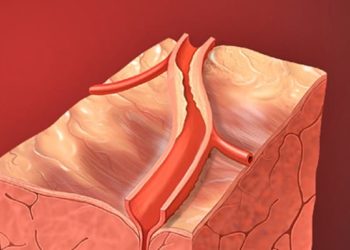
Image: PD

©2022 2 Minute Medicine, Inc. All rights reserved. No works may be reproduced without expressed written consent from 2 Minute Medicine, Inc. Inquire about licensing here. No article should be construed as medical advice and is not intended as such by the authors or by 2 Minute Medicine, Inc.

Tags: acute myocardial infarctionmyocardial infarctionNorwayophthalmologic procedureSweden
Previous Post

Prenatal medication for opioid use disorder helps discharge infants back to mothers

Next Post

Vaccination leads to a small absolute risk for shoulder conditions

RelatedReports

PCI not superior to medical therapy alone in stable coronary disease: The COURAGE study
Cardiology

Identification of NSTE-ACS patients with totally occluded infarct-related artery: the role of the SAVE risk score in improved risk stratification

November 24, 2025
Using HEART score to risk stratify patients with chest pain is safe but underutilized in the ED
Cardiology

Smaller infarct size with ticagrelor vs. clopidogrel in STEMI patients: Insights from cardiac magnetic resonance

November 6, 2025
Nearly Half of All Pediatric Buprenorphine Exposures Result in Hospitalization
Cardiology

Clopidogrel monotherapy is superior to aspirin for secondary prevention in coronary artery disease

October 30, 2025
β-blockers linked to improved survival in preserved ejection fraction heart failure
Cardiology

Multidomain rehabilitation after myocardial infarction improves outcomes in older adults

October 15, 2025
Next Post
Medical vaccine exemptions increase after elimination of nonmedical exemptions

Vaccination leads to a small absolute risk for shoulder conditions

Patient Basics: Hair Loss

Baricitinib is superior to placebo for treatment of alopecia areata

RTS,SA/S01 anti-malarial vaccine efficacy wanes significantly over time

Higher-dose primaquine has higher efficacy in preventing relapse of Plasmodium vivax malaria

2 Minute Medicine® is an award winning, physician-run, expert medical media company. Our content is curated, written and edited by practicing health professionals who have clinical and scientific expertise in their field of reporting. Our editorial management team is comprised of highly-trained MD physicians. Join numerous brands, companies, and hospitals who trust our licensed content.

Recent Reports

  • Safety and Efficacy of Ozanimod in Patients With Moderately to Severely Active Ulcerative Colitis Stratified by Age
  • Comparison of two different bicarbonate replacement fluids during CVVH with RCA: a prospective, randomized, controlled trial
  • Age-Based Screening for Lung Cancer Surveillance in the US
License Content
Terms of Use | Disclaimer
Cookie Policy
Privacy Statement (EU)
Disclaimer

© 2025 2 Minute Medicine, Inc. - Physician-written medical news.

  • Specialties
    • All Specialties, All Recent Reports
    • Cardiology
    • Chronic Disease
    • Dermatology
    • Emergency
    • Endocrinology
    • Gastroenterology
    • Imaging and Intervention
    • Infectious Disease
    • Nephrology
    • Neurology
    • Obstetrics
    • Oncology
    • Ophthalmology
    • Pediatrics
    • Pharma
    • Preclinical
    • Psychiatry
    • Public Health
    • Pulmonology
    • Rheumatology
    • Surgery
  • AI EvidencePulse™
  • Pharma
  • AI News
  • The Scan
  • Classics™
    • 2MM+ Online Access
    • Paperback and Ebook
  • Rewinds
  • Podcasts
  • Partners
    • License Content
    • Submit Press Release
    • Advertise with Us
  • Account
    • Subscribe
    • Sign-in
    • My account
No Result
View All Result

© 2025 2 Minute Medicine, Inc. - Physician-written medical news.
