

• About
  • Masthead
  • License Content
  • Advertise
  • Submit Press Release
  • RSS/Email List
  • 2MM Podcast
  • Write for us
  • Contact Us
2 Minute Medicine
No Result
View All Result

No products in the cart.

SUBSCRIBE
  • Specialties
    • All Specialties, All Recent Reports
    • Cardiology
    • Chronic Disease
    • Dermatology
    • Emergency
    • Endocrinology
    • Gastroenterology
    • Imaging and Intervention
    • Infectious Disease
    • Nephrology
    • Neurology
    • Obstetrics
    • Oncology
    • Ophthalmology
    • Pediatrics
    • Pharma
    • Preclinical
    • Psychiatry
    • Public Health
    • Pulmonology
    • Rheumatology
    • Surgery
  • Tools
    • EvidencePulse™
    • RVU Search
    • NPI Registry Lookup
  • Pharma
  • AI News
  • The Scan+
  • Classics™+
    • 2MM+ Online Access
    • Paperback and Ebook
  • Rewinds
  • Partners
    • License Content
    • Submit Press Release
    • Advertise with Us
  • Account
    • Subscribe
    • Sign-in
    • My account
2 Minute Medicine
  • Specialties
    • All Specialties, All Recent Reports
    • Cardiology
    • Chronic Disease
    • Dermatology
    • Emergency
    • Endocrinology
    • Gastroenterology
    • Imaging and Intervention
    • Infectious Disease
    • Nephrology
    • Neurology
    • Obstetrics
    • Oncology
    • Ophthalmology
    • Pediatrics
    • Pharma
    • Preclinical
    • Psychiatry
    • Public Health
    • Pulmonology
    • Rheumatology
    • Surgery
  • Tools
    • EvidencePulse™
    • RVU Search
    • NPI Registry Lookup
  • Pharma
  • AI News
  • The Scan+
  • Classics™+
    • 2MM+ Online Access
    • Paperback and Ebook
  • Rewinds
  • Partners
    • License Content
    • Submit Press Release
    • Advertise with Us
  • Account
    • Subscribe
    • Sign-in
    • My account
SUBSCRIBE
2 Minute Medicine
Subscribe
Home All Specialties Pulmonology

Oral appliances ineffective for daytime sleepiness in mild/moderate obstructive sleep apnea
byAshley AaroeandJames Jiang
June 2, 2015
in Pulmonology
Reading Time: 3 mins read
0
Share on FacebookShare on Twitter

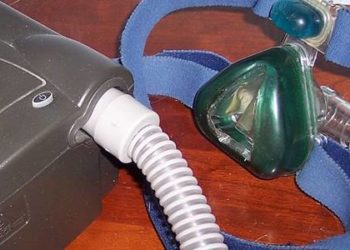
1. Custom-made oral appliances reduced episodes of sleep apnea, snoring, and restless legs symptoms in patients with daytime sleepiness and snoring or mild to moderate obstructive sleep apnea (OSA).

2. Oral appliances did not improve daytime sleepiness or quality of life versus a placebo appliance in this population.

Evidence Rating Level: 1 (Excellent)

Study Rundown: Obstructive sleep apnea (OSA) is a sleep disorder in which upper airway obstruction leads to periods of paused breathing during sleep. It can result in diminished quality of life for patients, as they experience symptoms including daytime sleepiness, headaches, and restless legs. Previous studies have established a benefit of custom-fitted oral appliances designed to draw the mandible forward and open the airway in moderate to severe OSA, chiefly in reducing the number of apneic events during the night. The authors of this study sought to investigate whether or not there was a benefit of using such appliances in mild to moderate OSA with regard to quality of life and degree of excess daytime sleepiness.

Oral appliance therapy was not associated with improvements in daytime sleepiness at 4 months follow-up when compared with a placebo intraoral device. However, complaints of restless legs symptoms (described as an urgent need to move the legs) were significantly reduced. Strengths of this study include its design, as a randomized and placebo-controlled trial, as well as the fact that over the study duration there was fairly minimal drop-out and high compliance in both arms. The study was also well powered, though the study sample was slightly smaller than the authors intended.

Click to read the study, published today in JAMA Internal Medicine

RELATED REPORTS

Middle-aged and older Canadians at high risk of obstructive sleep apnea may have worse mental health outcomes

Tirzepatide reduces obstructive sleep apnea symptoms and associated risks

#VisualAbstract: Tirzepatide Improved Outcomes in Patients with Obstructive Sleep Apnea and Obesity

Relevant Reading: Review of oral appliances for treatment of sleep-disordered breathing

In-Depth [randomized controlled trial]: Patients seen at Umea University, in Sweden, who reported snoring to physicians, and were referred to orthodontists for oral appliances were asked to participate in this study. Patients who snored, had daytime sleepiness, and had mild to moderate sleep apnea were included. Exclusion criteria included tonsillar hypertrophy, severe dementia, occupational drivers, and biased patients. Patients underwent single-blinded randomization to receive either an adjustable oral appliance for sleep apnea, or a placebo intraoral device for a four-month study period. Intervention devices were fitted plaster casts that on average moved the lower jaw forward a mean of 6.8 mm. The placebo device did not result in any advancement of the mandible.

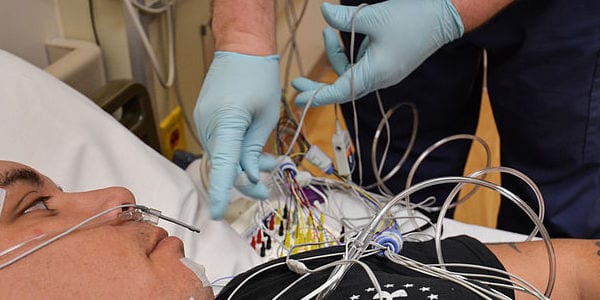
Sleepiness was assessed via Epworth Sleepiness Scale (ESS) and the Karolinska Sleepiness Scale (KSS) as subjective measurements, and the Oxford Sleep Resistance Test (OSLER) as an objective measurement of daytime sleep latency. The Short-Form 36-item Health Survey was used to assess quality of life. Polysomnography was performed to assess episodes of sleep apnea. 91 patients completed the study between 2007 and 2011. The mean time before follow-up was 175 days. There was no improvement in daytime sleepiness, with the intervention group ESS >10 in 53% of patients at baseline, to 24% at follow-up for the oral appliance group. The placebo group had ESS >10 in 54% of patients at baseline, to 40% at follow (p = 0.11). The KSS and OSLER data echoed this finding. The SF-36 survey did not differ between placebo or device groups in any domain. Snoring was less frequent in the device group versus placebo (p < 0.001), as was presence of restless leg symptoms (p = 0.02).

Image: PD

©2015 2 Minute Medicine, Inc. All rights reserved. No works may be reproduced without expressed written consent from 2 Minute Medicine, Inc. Inquire about licensing here. No article should be construed as medical advice and is not intended as such by the authors or by 2 Minute Medicine, Inc.

Tags: Obstructive Sleep Apnea
Previous Post

2 Minute Medicine Rewind May 24 – May 31, 2015

Next Post

State policies for organ donation may be largely ineffective

RelatedReports

Admission may not be needed following sleep apnea surgery
Chronic Disease

Middle-aged and older Canadians at high risk of obstructive sleep apnea may have worse mental health outcomes

January 12, 2026
Admission may not be needed following sleep apnea surgery
Chronic Disease

Tirzepatide reduces obstructive sleep apnea symptoms and associated risks

October 10, 2024
#VisualAbstract: Tirzepatide Improved Outcomes in Patients with Obstructive Sleep Apnea and Obesity
StudyGraphics

#VisualAbstract: Tirzepatide Improved Outcomes in Patients with Obstructive Sleep Apnea and Obesity

July 5, 2024
Sleep duration, sleepiness, chronotype have variable associations with teen self-regulation
Pharma

Eli Lilly: Tirzepatide Shows Promise In Treating Obstructive Sleep Apnea In Two Phase 3 Clinical Trials

May 19, 2024
Next Post
State policies for organ donation may be largely ineffective

State policies for organ donation may be largely ineffective

Retinopathy of prematurity associated with nonvisual impairment in childhood

Novel target identified for treatment of proliferative diabetic retinopathy [PreClinical]

Classics Series, Landmark Trials in Medicine

Worse side effects following transobturator sling [Classics Series]

2 Minute Medicine® is an award winning, physician-run, expert medical media company. Our content is curated, written and edited by practicing health professionals who have clinical and scientific expertise in their field of reporting. Our editorial management team is comprised of highly-trained MD physicians. Join numerous brands, companies, and hospitals who trust our licensed content.

Recent Reports

  • Prenatal depression and gestational diabetes are associated with increased risk of childhood obesity
  • 2 Minute Medicine Rewind February 23, 2026
  • Poly-L-lysine-coated catheters are safe and well-tolerated in adults requiring short-term catheterization
License Content
Terms of Use | Disclaimer
Cookie Policy
Privacy Statement (EU)
Disclaimer

© 2025 2 Minute Medicine, Inc. - Physician-written medical news.

  • Specialties
    • All Specialties, All Recent Reports
    • Cardiology
    • Chronic Disease
    • Dermatology
    • Emergency
    • Endocrinology
    • Gastroenterology
    • Imaging and Intervention
    • Infectious Disease
    • Nephrology
    • Neurology
    • Obstetrics
    • Oncology
    • Ophthalmology
    • Pediatrics
    • Pharma
    • Preclinical
    • Psychiatry
    • Public Health
    • Pulmonology
    • Rheumatology
    • Surgery
  • Tools
    • EvidencePulse™
    • RVU Search
    • NPI Registry Lookup
  • Pharma
  • AI News
  • The Scan
  • Classics™
    • 2MM+ Online Access
    • Paperback and Ebook
  • Rewinds
  • Partners
    • License Content
    • Submit Press Release
    • Advertise with Us
  • Account
    • Subscribe
    • Sign-in
    • My account
No Result
View All Result

© 2025 2 Minute Medicine, Inc. - Physician-written medical news.