

Patient Basics: Dysuria
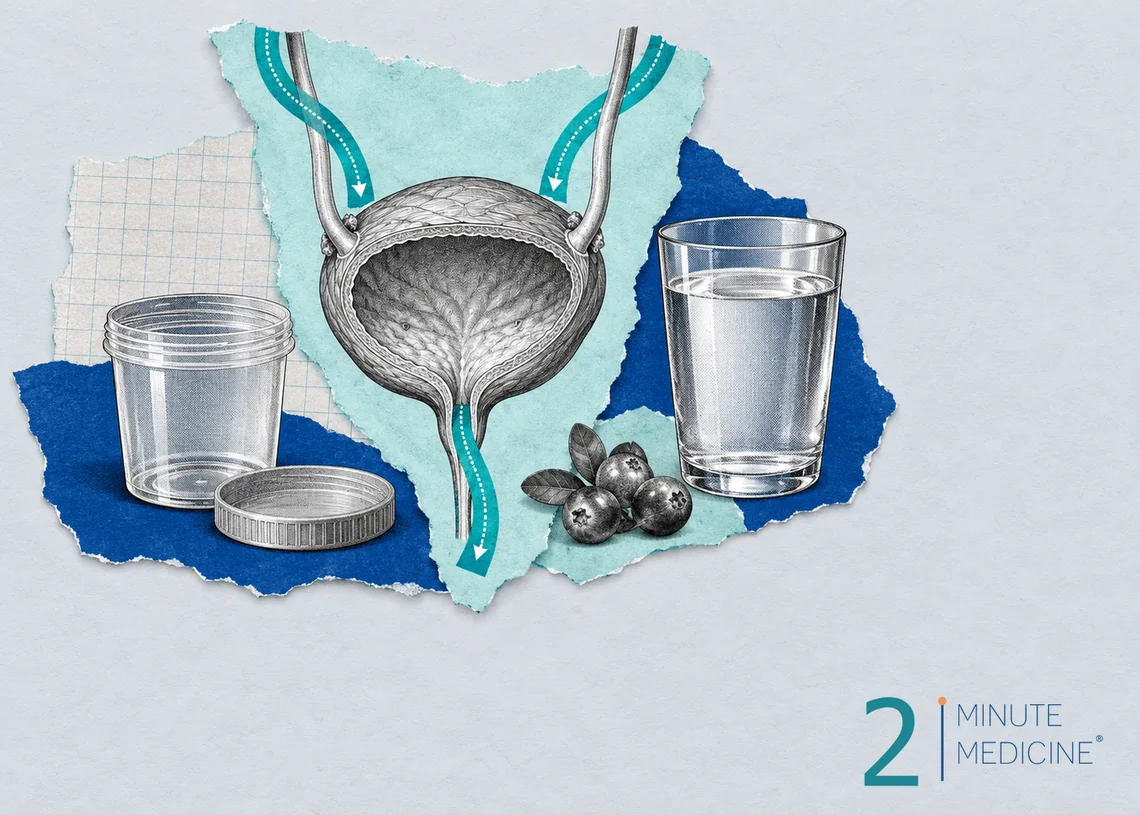
Dysuria is the medical word for pain, burning or stinging when you pee (urinate). It is a symptom, not a disease. The most common cause is a bladder infection, but sexually transmitted infections, vaginal infections, irritation and kidney stones can cause it too. Burning that lasts more than a day or two, or comes with fever or back pain, needs a doctor’s check.
Key points
- A urinary tract infection (UTI) is the most likely cause, especially in women.
- A simple urine test can show infection. Swab or urine tests check for sexually transmitted infections.
- Most causes are easy to treat once the cause is known.
- Painful urination in men, children and pregnant people should always be checked.
- Fever, chills, side or back pain, or vomiting with burning can mean a kidney infection.
What causes dysuria
Infections
- Bladder infection (cystitis). Bacteria, usually from the bowel, travel up the urethra (the tube that carries urine out of the body). Women get these much more often than men because their urethra is short.
- Kidney infection, when a bladder infection spreads upward
- Sexually transmitted infections (STIs), such as chlamydia, gonorrhea, trichomoniasis and genital herpes
- Vaginal infections, such as a yeast infection or bacterial vaginosis
- Prostate infection (prostatitis) in men
Other causes
- Irritation from scented soaps, bubble baths, douches, spermicides or tight clothing
- Vaginal dryness and thinning after menopause
- Kidney or bladder stones
- Bladder pain syndrome (interstitial cystitis), a long-term bladder condition with pain and frequent urges to pee
- An enlarged prostate or a narrowed urethra
- Some medicines and, rarely, bladder cancer, which more often causes blood in the urine than pain
Clues from other symptoms
- Peeing often, feeling a strong urge, and pain low in the belly point to a bladder infection.
- Needing to pee every hour or so without burning can come from drinking a lot, caffeine, pregnancy, diabetes or an overactive bladder.
- Cloudy, bad-smelling or pink urine can come with a bladder infection.
- Discharge from the penis or vagina suggests an STI or vaginal infection.
- Burning on the outside as urine passes over sore skin is common with yeast infections and herpes.
- Fever, chills and pain in the side or back suggest a kidney infection.
- Sudden, severe pain in the side that comes in waves suggests a kidney stone.
How it’s diagnosed
Expect questions about how long the burning has lasted, your sexual health, any new soaps or products, and past infections. Tests can include:
- Urine test (urinalysis). A dipstick and a microscope look for white blood cells, bacteria and blood.
- Urine culture to grow and identify the bacteria and find the best antibiotic
- STI tests on a urine sample or a swab
- Pelvic exam for women, or an exam of the penis, testicles and prostate for men
- Pregnancy test, when it could change treatment
- Ultrasound or CT scan if a stone or blockage is possible
- Cystoscopy, a look inside the bladder with a thin camera, when symptoms keep coming back without a clear cause
Understanding urine test results
- Leukocyte esterase is a chemical made by white blood cells. A positive result suggests inflammation or infection in the urinary tract.
- Nitrites are made by many of the bacteria that cause bladder infections.
- WBC per HPF is the number of white blood cells seen in one high-power field under the microscope. A higher number points to infection.
- Mucus threads are common and usually normal.
- Mixed urogenital flora on a culture usually means the sample picked up normal germs from the skin. It often isn’t an infection, and your doctor may ask for a new, clean-catch sample.
Some healthy women with typical bladder infection symptoms are treated without a visit, after a phone or video consultation.
How dysuria is treated
Treatment depends on the cause.
- Bladder infections are treated with a short course of antibiotics, such as nitrofurantoin, fosfomycin or trimethoprim-sulfamethoxazole. Kidney infections need a longer course and sometimes a hospital stay.
- STIs are treated with antibiotics or antiviral medicine. Sexual partners need testing and treatment too.
- Yeast infections clear with an antifungal cream or pill. Bacterial vaginosis needs an antibiotic.
- Irritation settles once you stop using the product that caused it.
- Dryness after menopause often improves with a low-dose vaginal estrogen cream, tablet or ring.
- Kidney stones often pass on their own with fluids and pain medicine. Larger ones may need a procedure.
For quick relief, your doctor may suggest phenazopyridine, a pill that numbs the bladder for a day or two. It turns urine bright orange and can stain clothing and contact lenses. It doesn’t treat infection, so use it only alongside proper treatment.
Lowering your risk
- Drink enough water to keep your urine pale.
- Pee soon after sex.
- After a bowel movement, wipe toward the back, away from the urethra.
- Skip douches, scented soaps, bubble baths and feminine sprays.
- Use condoms, and get tested for STIs with new partners.
- If you get bladder infections often, ask about preventive options, such as vaginal estrogen after menopause or a medicine taken after sex.
When to see a doctor
- Burning that lasts more than a day or two
- Any painful urination in a man, a child or someone pregnant
- Blood in your urine
- Discharge from the penis or vagina, or sores in the genital area
- Infections that keep coming back
Get care the same day for fever, chills, pain in your side or back, nausea or vomiting, or if you can’t pee at all.
Common questions about dysuria
Why does it burn when I pee if I don’t have an infection?
Burning without infection can come from soaps, bubble baths or spermicides, vaginal dryness after menopause, a kidney stone, or bladder pain syndrome. Some sexually transmitted infections don’t show up on a standard urine test, so ask your doctor whether you need a specific STI test.
Is burning when you pee a sign of pregnancy?
Not directly. Pregnancy itself doesn’t cause burning, but pregnant people get bladder infections more easily. These need prompt treatment because they can lead to a kidney infection and early labor. If you’re pregnant and peeing hurts, call your doctor or midwife.
How long does dysuria last?
It depends on the cause. With a bladder infection, burning usually eases within a day or two of starting antibiotics. Irritation from a soap or other product often fades a few days after you stop using it. Burning that lasts longer, or keeps coming back, needs another look from your doctor.
Is dysuria contagious?
Dysuria itself isn’t contagious, because it’s a symptom. Some of its causes are. Sexually transmitted infections spread through sex, so partners need testing and treatment. Bladder infections, yeast infections and irritation don’t usually pass from one person to another, though sex can make bladder infections more likely.
Why does it burn to pee after sex?
Mild burning after sex is often from friction that irritates the urethra, and it usually fades within a day. Peeing soon after sex and using a lubricant can help. Burning that lasts, or comes with urgency, cloudy urine or discharge, may mean a bladder infection or an STI and should be checked.
Questions to ask your doctor
- What is causing the burning?
- Do I need a urine culture or STI tests?
- Does my partner need to be treated?
- How soon should I feel better on treatment?
- What can I do to prevent this from happening again?
Learn more
- Urination, painful (MedlinePlus, U.S. National Library of Medicine)
This guide is general information and doesn’t replace advice from your own doctor. Last updated October 2026.






 Get the app