Smartphone-based digital ruler achieved high diagnostic performance for strabismus screening
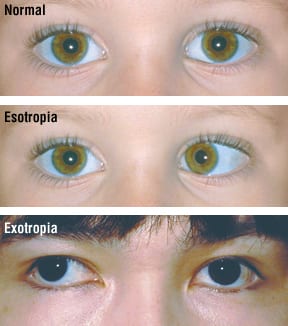
1. Wang and colleagues developed a system that uses deep learning algorithms to analyze cover tests recorded by suspected strabismus patients.
2. The digital platform achieved high sensitivity and specificity for differentiating phoria and tropia from normal ocular alignment.
Evidence Rating Level: 2 (Good)
Study Rundown: Early screening and timely treatment of strabismus are crucial for preventing lifelong ocular misalignment in children. However, traditional diagnostic methods, such as cover tests, require specialized expertise. Wang and colleagues evaluated the feasibility of achieving precise strabismus measurement using a smartphone-based system: Digital Ruler of Strabismus (DRS), which used video recordings to detect strabismus. A prospective study compared DRS to the manual prism and alternate cover test (PACT) methods. Trained non-specialists conducted the video recording, while an expert also used the PACT method. Three ophthalmologists independently diagnosed ortho, phoria, or tropia for all videos. The main performance metrics were the sensitivity, specificity, and accuracy of strabismus diagnosis. The study found that DRS achieved a sensitivity of 0.974, specificity of 0.938, and accuracy of 0.966 for horizontal strabismus. Similarly, high performance was achieved for eso and exo deviations. The mean difference between the DRS and PACT methods also fell within the clinically acceptable range. This study demonstrated that a smartphone-based system can use video recordings to expand access to strabismus screening in resource-limited settings effectively.
Click here to read the study in NEJM AI
Relevant Reading: Strabismus and Artificial Intelligence App: Optimizing Diagnostic and Accuracy
In-Depth [prospective cohort]: DRS automatically quantified the prism diopter (PD) of ocular deviation, identified the type, and made a dynamic evaluation of strabismus from a cover-test video. A prospective multicenter cohort study was conducted to validate its applicability. Participants must be at least three years old, and all videos must meet the predetermined minimum technical requirements. The performance metrics were the sensitivity, specificity, and accuracy of strabismus diagnosis. The performance of DRS was then compared to PACT using the Bland-Altman analysis. A total of 459 videos from 335 patients were included in the study. DRS demonstrated a sensitivity of 0.974 (95% confidence interval (CI), 0.949-0.987), specificity of 0.938 (95% CI, 0.872-0.972), and accuracy of 0.966 (95% CI, 0.943-0.979) for horizontal strabismus. For vertical strabismus, sensitivity was 0.801 (95% CI, 0.752 to 0.831), specificity was 0.725 (95% CI, 0.559 to 0.849), and ACC was 0.789 (95% CI, 0.748 to 0.825). For eso and exo deviations, sensitivity was 0.999 (95% CI, 0.982 to 0.999), specificity was 0.918 (95% CI, 0.832 to 0.963), and accuracy was 0.980 (95% CI, 0.957 to 0.991). Compared to the PACT method, DRS achieved an intraclass correlation coefficient of 0.98 (95% CI, 0.98-0.99) for horizontal deviation. The Bland-Altman analysis showed a mean difference of 1.1 PD and a median 95% limits of agreement of 10.4 PD, which was within the clinically acceptable range. Overall, this study demonstrated that strabismus can be effectively assessed using videos filmed on consumer-grade smartphones, and future studies should explore its integration into existing clinical workflows.
Image: PD
©2026 2 Minute Medicine, Inc. All rights reserved. No works may be reproduced without expressed written consent from 2 Minute Medicine, Inc. Inquire about licensing here. No article should be construed as medical advice and is not intended as such by the authors or by 2 Minute Medicine, Inc.