The incidence of early-onset metastatic adenocarcinoma may be higher among patients with multiple metastatic sites and peritoneal involvement
1. Incidence of early-onset metastatic adenocarcinoma increased among patients with multiple metastatic sites and those with peritoneum involvement.
2. Net survival of metastatic adenocarcinoma improved over time, except for those with peritoneal involvement.
Evidence Rating Level: 2 (Good)
The incidence of early-onset (EO) colorectal metastatic adenocarcinoma (mADC) is increasing. A detailed description of epidemiologic time trends based on population-based data in Europe is lacking. This study thus described patterns in colorectal mADC incidence and survival among patients <50 years compared with older patients in a French population. This population-based cohort study used data from the French Network of Cancer Registries (FRANCIM) and included individuals diagnosed with invasive colorectal adenocarcinoma between January 1, 2004, and December 31, 2021. Age at diagnosis was classified into 15 to 39 years, 40 to 49 years, and 50 years or older. The primary outcome was metastatic status categorized into nonmetastatic disease, metastatic disease, single-site metastases, multiple-site metastases, liver metastasis, peritoneal metastasis, and lung metastasis. Among the 37,297 individuals included in the study (mean [SD] age, 72.0 [12.2] years; 20 692 males [55.5%]), 1558 (4.2%) were diagnosed before age 50, and 9995 (26.8%) had mADC. From 2004 to 2021, the incidence of single-site metastases did not increase in any age class or sex. However, the incidence of multiple-site metastases among patients aged 15 to 39 years increased annually by 9.5% (95% CI, 2.7%-16.7%) among males and 10.3% (95% CI, 3.4%-17.6%) among females. The increase in incidence in the EO mADC among those younger than 50 years mainly involved the peritoneum. From 2004 to 2021, the probability of presenting with peritoneal metastases was 6.2-fold higher among males and 2.4-fold higher among females aged 15 to 39 years. The net survival of mADC improved over time and was higher among patients aged 15 to 49 years than among those aged 50 to 75 years, except for those with peritoneal metastasis. Overall, this study found an increased incidence of EO mADC mainly among patients with multiple metastatic sites and those with peritoneum involvement, and that the net survival of mADC improved over time, except for those with peritoneal involvement. These findings suggest that young patients with peritoneal involvement are a high-risk population that may require intensive treatment to increase survival.
Click here to read the study in JAMA Network Open
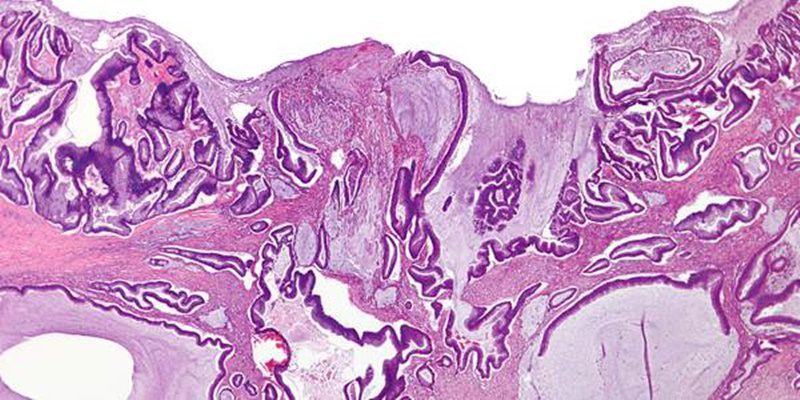
Image: PD
©2026 2 Minute Medicine, Inc. All rights reserved. No works may be reproduced without expressed written consent from 2 Minute Medicine, Inc. Inquire about licensing here. No article should be construed as medical advice and is not intended as such by the authors or by 2 Minute Medicine, Inc.