• About
  • Masthead
  • License Content
  • Advertise
  • Press Releases
  • RSS/Email List
  • 2MM Podcast
  • Write for us
  • Contact Us
2 Minute Medicine
No Result
View All Result

No products in the cart.

Sign in
SUBSCRIBE
  • About
  • Specialties
    • All Specialties, All Recent Reports
    • Cardiology
    • Chronic Disease
    • Dermatology
    • Emergency
    • Endocrinology
    • Gastroenterology
    • Imaging and Intervention
    • Infectious Disease
    • Nephrology
    • Neurology
    • Obstetrics
    • Oncology
    • Ophthalmology
    • Pediatrics
    • Pharma
    • Preclinical
    • Psychiatry
    • Public Health
    • Pulmonology
    • Rheumatology
    • Surgery
    • Rewinds
    • The Scan
  • EvidencePulse™
  • HypeCheck™
  • AI News
  • Classics™
    • 2MM+ Online Access
    • Paperback and Ebook
  • Tools
    • NPI Registry Lookup
    • RVU Search
  • Partners
    • License Content
    • Advertise with Us
2 Minute Medicine
  • About
  • Specialties
    • All Specialties, All Recent Reports
    • Cardiology
    • Chronic Disease
    • Dermatology
    • Emergency
    • Endocrinology
    • Gastroenterology
    • Imaging and Intervention
    • Infectious Disease
    • Nephrology
    • Neurology
    • Obstetrics
    • Oncology
    • Ophthalmology
    • Pediatrics
    • Pharma
    • Preclinical
    • Psychiatry
    • Public Health
    • Pulmonology
    • Rheumatology
    • Surgery
    • Rewinds
    • The Scan
  • EvidencePulse™
  • HypeCheck™
  • AI News
  • Classics™
    • 2MM+ Online Access
    • Paperback and Ebook
  • Tools
    • NPI Registry Lookup
    • RVU Search
  • Partners
    • License Content
    • Advertise with Us
Sign in
SUBSCRIBE
2 Minute Medicine
Sign in
Subscribe
✦ EvidencePulse™ by 2 Minute Medicine 2026 evidence scan 3 reports You asked top stroke trials 2026 Synthesizing medical evidence... Top 2026 stroke trial results: OCEANIC — ischemic stroke: 6.2% vs 8.4% OPTION* — mRS 0–1: 43.6% vs 34.2% ORIENTAL* — mRS 0–2: 58.6% vs 46.6% *Higher sICH in intervention arms Participants randomizedN OCEANIC 12,327 OPTION 570 ORIENTAL 564 Ask about guidelines or landmark trials... ↑ Try EvidencePulse™ Ask the evidence.
Get the signal.
Try it now → Physician-trained medical AI by 2 Minute Medicine
Home Weekly Rewinds

2 Minute Medicine Rewind December 25, 2017
byKyle HoffmanandAliya Ramjaun
December 27, 2017
in Weekly Rewinds
Reading Time: 4 mins read
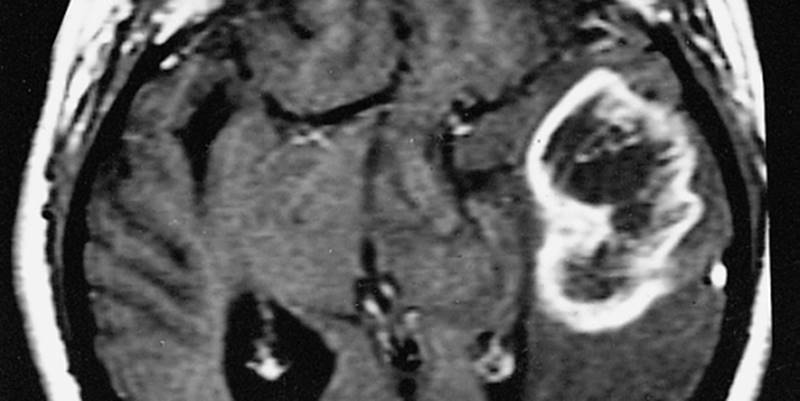
Glioblastoma phenotypes identified on MRI predict molecular behavior
Share on FacebookShare on TwitterShare on LinkedIn

Effect of Tumor-Treating Fields Plus Maintenance Temozolomide vs Maintenance Temozolomide Alone on Survival in Patients with Glioblastoma: A Randomized Clinical Trial

Tumor-treating fields, a low-intensity, alternating electrical field delivered by transducers placed on the scalp, may have a selective anti-mitotic effect on glioblastoma, the most common primary brain tumor. This randomized controlled trial aimed to investigate whether tumor-treating fields improve progression-free survival and overall survival in patients with glioblastoma. Patients were randomized to receive either tumor-treating fields for more than 18 hours per day and temozolomide for 5 days per 28 cycle (n=466) or temozlomide alone at the same interval (n=229). Results showed a significantly longer progression-free survival when tumor-treating fields were administered, with a median progression-free survival of 6.7 months, as compared to 4.0 months in the temozolomide only group (HR 0.63, 95% CI 0.52 to 0.76, p<0.001). Median overall survival was also significantly greater in the group treated with tumor-treating fields (HR 0.63, 95% CI 0.53 to 0.76, p<0.001). Both treatment arms had similar rates of adverse effects. However, skin toxicity where the transducers were applied occurred in 52% of patients receiving tumor-treating fields. Investigators therefore concluded that the addition of tumor-treating fields in the treatment of glioblastoma improves both progression-free and overall survival with an acceptable adverse effect profile.

PCI Strategies in Patients with Acute Myocardial Infarction and Cardiogenic Shock

Early revascularization of the culprit coronary artery, by way of percutaneous coronary intervention (PCI), can significantly reduce the mortality associated with cardiogenic shock in the setting of acute myocardial infarction (MI). However, the majority of presenting patients have underlying multi-vessel coronary disease. Whether immediate PCI should be performed for clinically significant stenoses in non-culprit coronary arteries, however, is unclear. Immediate percutaneous revascularization of multi-vessel disease introduces additional risks such as induction of further ischemia, volume overload and kidney damage related to contrast material. This multicenter randomized controlled trial enrolled 706 patients with acute MI with multi-vessel disease and cardiogenic shock and assigned them to receive PCI of the lesion responsible for the myocardial infarction with possible staged revascularization of other lesions, or immediate multivessel PCI. Patients were followed up for a primary endpoint incorporating mortality and severe renal failure leading to renal-replacement therapy within 30 days. Researchers found that patients that received PCI for the culprit vessel only were significantly less likely to experience the study endpoint  (RR 0.83, 95% CI 0.71 to 0.96, p=0.01). The risk of death alone was also significantly lower in the single vessel PCI group (RR 0.84, 95% CI 0.72 to 0.98, p=0.03). However, the relative risk of renal-replacement therapy alone was not significantly different between groups (HR 0.71, 95% CI 0.49 to 1.03, p=0.07). Secondary endpoints, including rates of bleeding and stroke, troponin T and creatine kinase levels, and time to hemodynamic stabilization, did not significantly differ between the two groups. Investigators concluded that the risk of death or severe renal failure was lower among those who underwent PCI of the culprit vessel alone, as compared to immediate PCI of multiple vessels.

Antiplatelet Therapy with Aspirin, Clopidogrel, and Dipyridamole versus Clopidogrel Alone or Aspirin and Dipyridamole in Patients with Acute Cerebral Ischemia (TARDIS): a Randomized, Open-Label, Phase 3 Superiority Trial

Dual antiplatelet therapy with aspirin and clopidogrel has been shown to be superior in preventing recurrent events in patients with cerebral ischemia, as compared to aspirin alone. Whether triple antiplatelet therapy with aspirin, clopidogrel, and dipyridamole is more effective compared to treatment using the current antiplatelet therapy guidelines, which recommend either clopidogrel alone or aspirin and dipyridamole together, is unclear. This randomized controlled trial enrolled 3,096 patients and assigned them to receive either triple therapy (aspirin 75 mg, clopidogrel 75 mg, and dipyridamole 200 mg twice daily) or guideline-based therapy (either clopidogrel alone or combined aspirin and dipyridamole). Patients were followed-up for the combined incidence and severity of recurrent stroke or transient ischemia attack (TIA) within 90 days. Researchers found that there were significantly more bleeding events, as well as more severe bleeding, in the triple antiplatelet therapy group (OR 2.54, 95% CI 2.05 to 3.16, p<0.0001), without a significant difference in the primary end point between the two groups (OR 0.90, 95% CI 0.67 to 1.20, p=0.47). As such, the trial was stopped early. Investigators therefore concluded that triple antiplatelet therapy should not be used in patients with recent cerebral ischemia, as it does not improve the rate or severity of recurrent TIA or stroke but does increase the risk of severe bleeding events compared to current guideline-based therapy.

RELATED REPORTS

Elevated low-density lipoprotein cholesterol is a risk factor for atherosclerotic disease irrespective of familial hypercholesterolemia status

Children with autism spectrum disorder may have reduced fecal microbial diversity

Letermovir Prophylaxis for Cytomegalovirus in Hematopoietic-Cell Transplantation

Hematopoietic-cell transplantation is frequently complicated by cytomegalovirus (CMV) infection. Investigators aimed to determine whether letermovir, an anti-viral that inhibits the CMV-terminase complex, could be used prophylactically to prevent this infection. CMV-seropositive transplant patients (n=565) were randomly assigned to receive either letermovir or placebo for 14 weeks post-transplant. Patients were followed for clinically significant CMV infection up to 24 weeks post-transplant. Researchers found that a significantly smaller proportion of patients treated with letermovir had clinically significant CMV infection with 37.5% of patients reaching the end point, as compared to 60.6% in the placebo group (p<0.001). Rates of adverse effects, such as vomiting, edema, myelotoxic and nephrotoxic events, and atrial fibrillation or flutter, were similar between the two groups. Investigators concluded that letermovir prophylaxis significantly lowers the risk of CMV infection in hematopoietic-cell transplant patients.

Effect of Cervical Pessary on Spontaneous Preterm Birth in Women with Singleton Pregnancies and Short Cervical Length: a Randomized Clinical Trial

Many different strategies are used to try to prevent pre-term birth, as prematurity is a major cause of morbidity and mortality in neonates. One such strategy is a cervical pessary, a silicone device that keeps the cervix closed and redistributes the pregnancy weight. This randomized controlled trial enrolled 300 women with singleton pregnancies and ultrasound-confirmed short cervical length (<25 mm between 18 and 24 weeks) without a history of premature delivery.  Women were randomly assigned to receive a cervical pessary or no pessary and were followed up for spontaneous preterm birth at less than 34 weeks. Researchers found that participants in the pessary group were less likely to deliver preterm compared to patients in the control group (RR 0.48, 95% CI 0.24 to 0.95, p=0.04). Vaginal discharge was significantly increased in the group assigned to receive the pessary device, however, other maternal adverse effects were not significantly different between the two groups. Researchers therefore concluded that the use of a cervical pessary in singleton pregnancies with short cervical length and no prior history of preterm delivery significantly lowers the risk of preterm birth at less than 34 weeks.

Image: PD

©2017 2 Minute Medicine, Inc. All rights reserved. No works may be reproduced without expressed written consent from 2 Minute Medicine, Inc. Inquire about licensing here. No article should be construed as medical advice and is not intended as such by the authors or by 2 Minute Medicine, Inc.

Previous Post

Inadequate evidence for OTC supplements in preventing cognitive decline

Next Post

Kidney failure risk equation (KFRE) discriminates risk in children with chronic kidney disease

RelatedReports

A man walking along a path surrounded by healthy food options, sporting shoes, a heart illustration, and urban scenery, indicating lifestyle changes for cardiovascular health.
Cardiology

Elevated low-density lipoprotein cholesterol is a risk factor for atherosclerotic disease irrespective of familial hypercholesterolemia status

October 22, 2026
An illustration depicting a bowl of vegetables, a smartphone, and a representation of the gut microbiome inside the human intestinal tract.
Chronic Disease

Children with autism spectrum disorder may have reduced fecal microbial diversity

October 21, 2026
Collage of torn-gray map pieces with orange route from left to a doorway on the right, over a dark backdrop; scales of justice at top; '2 Minute Medicine' logo in bottom right.
Obstetrics

Variable homicide mortality rates among women aged 15-44 years depending on state abortion policy

October 21, 2026
An illustration featuring a heart within a house, with a stethoscope, a scale, and medication, symbolizing heart failure home hospital care.
Artificial Intelligence

An artificial intelligence model demonstrates the potential for improving the efficiency of structural heart disease screening using electrocardiograms

October 21, 2026
Next Post
Meeting families, demographic information affect child abuse work-up

Kidney failure risk equation (KFRE) discriminates risk in children with chronic kidney disease

Epileptogenic foci may be lateralized using functional brain glutamate imaging

No interventions proven to prevent late-life dementia

Reduced gestational weight gain with lifestyle intervention

Insufficient evidence for physical activity in preventing late-life dementia

✦ EvidencePulse™ by 2 Minute Medicine 2026 evidence scan 3 reports You asked top stroke trials 2026 Synthesizing medical evidence... Top 2026 stroke trial results: OCEANIC — ischemic stroke: 6.2% vs 8.4% OPTION* — mRS 0–1: 43.6% vs 34.2% ORIENTAL* — mRS 0–2: 58.6% vs 46.6% *Higher sICH in intervention arms Participants randomizedN OCEANIC 12,327 OPTION 570 ORIENTAL 564 Ask about guidelines or landmark trials... Try EvidencePulse™ Get the signal. Try it now → Physician-trained medical AI by 2 Minute Medicine

2MM+ All Access

Full details →
$4.99 /month

3-day free trial · cancel anytime

  • ✓100+ physician-written reports
  • ✓EvidencePulse™ + HypeCheck™
  • ✓Ad-free reading + newsletters
Start 3-day free trial

Then $4.99/month. Manage renewal in your account.

NPI Lookup · Free

Look up any US clinician

Search by name or NPI number, live from the CMS NPI Registry.

  • OIG exclusion check
  • Licenses and specialties
  • No account needed
Open NPI Lookup →

2 Minute Medicine® is an award winning, physician-run, expert medical media company. Our content is curated, written and edited by practicing health professionals who have clinical and scientific expertise in their field of reporting. Our editorial management team is comprised of highly-trained MD physicians. Join numerous brands, companies, and hospitals who trust our licensed content.

Recent Reports

  • Elevated low-density lipoprotein cholesterol is a risk factor for atherosclerotic disease irrespective of familial hypercholesterolemia status
  • Children with autism spectrum disorder may have reduced fecal microbial diversity
  • Variable homicide mortality rates among women aged 15-44 years depending on state abortion policy
License Content
Terms of Use | Disclaimer
Cookie Policy
2MM+ All Access Full details →

The medical literature, distilled daily.

Monthly plan selected: $4.99 /month.

$4.99/month

3-day free trial · cancel anytime

Start 3-day free trial

Then $4.99/month. Manage renewal in your account.

Yearly plan selected: $49.90 /year.

$49.90/year

2 months free

Start 3-day free trial

Then $49.90/year.

Membership benefits

  • ✓100+ physician-written reports
  • ✓AI EvidencePulse™ + HypeCheck™
  • ✓Ad-free reading + newsletters
  • ✓NPI watchlist + bulk NPI verification

Already a member? Sign in

  • About
  • Specialties
    • All Specialties, All Recent Reports
    • Cardiology
    • Chronic Disease
    • Dermatology
    • Emergency
    • Endocrinology
    • Gastroenterology
    • Imaging and Intervention
    • Infectious Disease
    • Nephrology
    • Neurology
    • Obstetrics
    • Oncology
    • Ophthalmology
    • Pediatrics
    • Pharma
    • Preclinical
    • Psychiatry
    • Public Health
    • Pulmonology
    • Rheumatology
    • Surgery
    • Rewinds
    • The Scan
  • EvidencePulse™
  • HypeCheck™
  • AI News
  • Classics™
    • 2MM+ Online Access
    • Paperback and Ebook
  • Tools
    • NPI Registry Lookup
    • RVU Search
  • Partners
    • License Content
    • Advertise with Us
No Result
View All Result

© 2026 2 Minute Medicine, Inc. - Physician-written medical news.