• About
  • Masthead
  • License Content
  • Advertise
  • Submit Press Release
  • RSS/Email List
  • 2MM Podcast
  • Write for us
  • Contact Us
2 Minute Medicine
No Result
View All Result

No products in the cart.

SUBSCRIBE
  • About
  • Specialties
    • All Specialties, All Recent Reports
    • Cardiology
    • Chronic Disease
    • Dermatology
    • Emergency
    • Endocrinology
    • Gastroenterology
    • Imaging and Intervention
    • Infectious Disease
    • Nephrology
    • Neurology
    • Obstetrics
    • Oncology
    • Ophthalmology
    • Pediatrics
    • Pharma
    • Preclinical
    • Psychiatry
    • Public Health
    • Pulmonology
    • Rheumatology
    • Surgery
  • Tools+
    • EvidencePulse™
    • HypeCheck™
    • NPI Registry Lookup
    • RVU Search
  • Pharma
  • AI Roundup
  • The Scan+
  • Classics™+
    • 2MM+ Online Access
    • Paperback and Ebook
  • Rewinds
  • Partners
    • License Content
    • Submit Press Release
    • Advertise with Us
  • Account
    • Subscribe
    • My account
    • Cart
    • Sign in
2 Minute Medicine
  • About
  • Specialties
    • All Specialties, All Recent Reports
    • Cardiology
    • Chronic Disease
    • Dermatology
    • Emergency
    • Endocrinology
    • Gastroenterology
    • Imaging and Intervention
    • Infectious Disease
    • Nephrology
    • Neurology
    • Obstetrics
    • Oncology
    • Ophthalmology
    • Pediatrics
    • Pharma
    • Preclinical
    • Psychiatry
    • Public Health
    • Pulmonology
    • Rheumatology
    • Surgery
  • Tools+
    • EvidencePulse™
    • HypeCheck™
    • NPI Registry Lookup
    • RVU Search
  • Pharma
  • AI Roundup
  • The Scan+
  • Classics™+
    • 2MM+ Online Access
    • Paperback and Ebook
  • Rewinds
  • Partners
    • License Content
    • Submit Press Release
    • Advertise with Us
  • Account
    • Subscribe
    • My account
    • Cart
    • Sign in
SUBSCRIBE
2 Minute Medicine
Subscribe
EvidencePulse™ by 2 Minute Medicine 2026 evidence scan 3 reports You asked top stroke trials 2026 Synthesizing medical evidence... Top 2026 stroke trial results: OCEANIC — ischemic stroke: 6.2% vs 8.4% OPTION* — mRS 0–1: 43.6% vs 34.2% ORIENTAL* — mRS 0–2: 58.6% vs 46.6% *Higher sICH in intervention arms Participants randomizedN OCEANIC 12,327 OPTION 570 ORIENTAL 564 Ask about guidelines or landmark trials... ↑ Try EvidencePulse™ Ask the evidence.
Get the signal.
Try it now → Physician-trained medical AI by 2 Minute Medicine
Home All Specialties Gastroenterology

Radiofrequency ablation of hepatic metastases in colorectal cancer linked with improved survival
byXiaofan PanandDylan Wolman
August 19, 2015
in Gastroenterology, Imaging and Intervention, Oncology
Reading Time: 3 mins read
Radiofrequency ablation of hepatic metastases in colorectal cancer linked with improved survival
Share on FacebookShare on Twitter

1. In patients with colorectal cancer liver metastases (CLMs), targeted treatment of extrahepatic disease (EHD) using radiofrequency showed significantly improved long-term survival, particularly in those with lung-only extrahepatic disease.

2. Median overall survival (OS) was longest in patients who experienced no additional hepatic metastatic activity following radiofrequency ablation (RFA). Tumors less than 3 cm and ablation margins greater than 5 mm were the best candidates for treatment, with the greatest local tumor response to RFA.

Evidence Rating Level: 2 (Good)

Study Rundown: The majority of colorectal cancer–related deaths are attributed to metastatic disease. As such, patients often require multiple surgeries to resect metachronous metastases and still suffer from a high recurrence rate. While the most successful treatment for tumors has been surgical resection, a substantial proportion of patients present with metastases not suitable for surgical intervention or may be high-risk surgical candidates due to other comorbidities. Less invasive therapies are being explored to improve the long-term survival and quality of life in patients who are poor surgical candidates. RFA is a percutaneous technique which applies focal radiowaves to generate a high-temperature cytotoxic reaction at targeted tumor sites, and has been incorporated into the treatment regimen for a range of tumors, including unresectable liver metastases from colorectal cancer. Although radiofrequency ablation is increasingly used in patients with unresectable CLMs, data supporting its role in a defined therapeutic setting has been scarce, and is therefore the investigative focus of the present study. A 10-year review of the therapeutic outcomes following percutaneous RFA of CLMs was performed to evaluate the procedure using a clinical risk score (CRS) in order to stratify tumor response to treatment. This study found that RFA prolonged overall survival in patients with less EHD and limited tumor progression following ablation. Additionally, tumors that were smaller (<3 cm) with broader resection margins (>5 mm) responded most optimally to RFA in select patients as demonstrated by significantly longer progression-free survival. Median overall survival in patients with lung-only EHD was 35 months as compared 14 months in those with multiple sites of EHD, versus 36 months an aggregate of all patients. The primary limitation of the study was its retrospective methodology and reliance on inconsistent and incomplete records provided by one study site. Future prospective, controlled trials are necessary to validate these findings in a larger patient cohort.

Click to read the study in Radiology

Relevant Reading: Recurrence and outcomes following hepatic resection, radiofrequency ablation, and combined resection/ablation for colorectal liver metastases

RELATED REPORTS

Male sex and hispanic ethnicity are associated with increased risk of early-onset colorectal cancer

2 Minute Medicine Rewind June 29, 2026

2 Minute Medicine Rewind May 25, 2026

In-Depth [retrospective cohort]: A total of 162 consecutive patients underwent 188 percutaneous RFA treatments between 2002 and 2012; 233 CLMs (mean tumor diameter: 1.8 cm; range: 0.5–5.7 cm) were included in this study. The procedure was effectively implemented in 94% (218 of 233) of the subjects as confirmed using contrast material–enhanced CT at 4-8 weeks following the procedure. Contrast-enhanced CT evaluation was repeated at 2-4 month intervals to determine OS (median OS: 36 months, 31%) and local tumor progression-free survival (median: 26 months), which were calculated using the Kaplan-Meier method. Overall, shorter local tumor progression-free survival was associated with tumor size >3 cm (p < 0.001), ablation margin ≤5 mm (p < 0.001), high modified CRS (p = 0.009), male sex (p = 0.03), and a lack of hepatectomy history (p = 0.04) or hepatic arterial infusion chemotherapy (p = 0.01) . However, only tumor size >3 cm (p = 0.01) and margins ≤5 mm (p < 0.001) were independent predictors of shorter LTPFS on multivariate analysis. Univariate analysis using log-rank tests and Cox-regression models determined negative predictors of OS to be tumor size >3 cm (p = 0.005), carcinoembryonic antigen level > 30 ng/mL (p = 0.003), high modified CRS (p = 0.02), and EHD (p < 0.001). Tumor size >3 cm (p = 0.006) and more EHD sites (p < 0.001) were determined to be independent predictors of shorter OS outcomes on multivariate analysis.

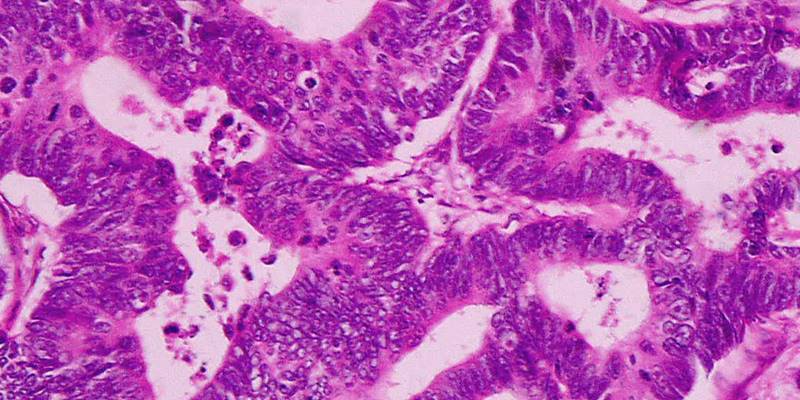
Image: PD

©2015 2 Minute Medicine, Inc. All rights reserved. No works may be reproduced without expressed written consent from 2 Minute Medicine, Inc. Inquire about licensing here. No article should be construed as medical advice and is not intended as such by the authors or by 2 Minute Medicine, Inc.

Tags: colorectal cancerradiofrequency ablation
Previous Post

Even light to moderate drinking linked to alcohol-related cancers

Next Post

Cesarean delivery for term breech not associated with long-term benefit [Classics Series]

RelatedReports

Quick Take: Diagnostic Yield of One-Time Colonoscopy vs One-Time Flexible Sigmoidoscopy vs Multiple Rounds of Mailed Fecal Immunohistochemical Tests in Colorectal Cancer Screening
Chronic Disease

Male sex and hispanic ethnicity are associated with increased risk of early-onset colorectal cancer

June 29, 2026
Weekly Rewinds

2 Minute Medicine Rewind June 29, 2026

June 29, 2026
Wide international variation in survival for periviable neonates
Weekly Rewinds

2 Minute Medicine Rewind May 25, 2026

May 25, 2026
2 Minute Medicine AI Roundup editorial illustration
Oncology

Artificial intelligence predicts colorectal cancer in ulcerative colitis with 99% accuracy

September 4, 2026
Next Post
Adverse pregnancy outcomes associated with thrombophilias [Classics Series]

Cesarean delivery for term breech not associated with long-term benefit [Classics Series]

Increased risk of subsequent melanoma after first melanoma diagnosis

Vemurafenib linked to therapeutic effect in various cancers

ADHD stimulant treatment associated with changes in BMI trajectory

Behavioral weight-loss program effective in breast cancer survivors

EvidencePulse™ by 2 Minute Medicine 2026 evidence scan 3 reports You asked top stroke trials 2026 Synthesizing medical evidence... Top 2026 stroke trial results: OCEANIC — ischemic stroke: 6.2% vs 8.4% OPTION* — mRS 0–1: 43.6% vs 34.2% ORIENTAL* — mRS 0–2: 58.6% vs 46.6% *Higher sICH in intervention arms Participants randomizedN OCEANIC 12,327 OPTION 570 ORIENTAL 564 Ask about guidelines or landmark trials... ↑ Try EvidencePulse™ Get the signal. Try it now → Physician-trained medical AI by 2 Minute Medicine

2MM+ All Access

Full details →
$4.99 /month

3-day free trial · cancel anytime

  • ✓100+ physician-written reports
  • ✓EvidencePulse™ + HypeCheck™
  • ✓Ad-free reading + newsletters
Start 3-day free trial

Then $4.99/month. Manage renewal in your account.

2 Minute Medicine® is an award winning, physician-run, expert medical media company. Our content is curated, written and edited by practicing health professionals who have clinical and scientific expertise in their field of reporting. Our editorial management team is comprised of highly-trained MD physicians. Join numerous brands, companies, and hospitals who trust our licensed content.

Recent Reports

  • Frailty in older adults with atrial fibrillation is multifactorial and associated with metabolic and cognitive factors
  • Artificial intelligence (AI) capable of identifying uncommon gastrointestinal pathologies despite no targeted disease training
  • Prognostic associations of anthropometric indices vary by clinical outcomes
License Content
Terms of Use | Disclaimer
Cookie Policy
2MM+ All Access Full details →

The medical literature, distilled daily.

Monthly plan selected: $4.99 /month.

$4.99/month

3-day free trial · cancel anytime

Start 3-day free trial

Then $4.99/month. Manage renewal in your account.

Yearly plan selected: $49.90 /year.

$49.90/year

2 months free

Start 3-day free trial

Then $49.90/year.

Membership benefits

  • ✓100+ physician-written reports
  • ✓AI EvidencePulse™ + HypeCheck™
  • ✓Ad-free reading + newsletters

Already a member? Sign in

  • About
  • Specialties
    • All Specialties, All Recent Reports
    • Cardiology
    • Chronic Disease
    • Dermatology
    • Emergency
    • Endocrinology
    • Gastroenterology
    • Imaging and Intervention
    • Infectious Disease
    • Nephrology
    • Neurology
    • Obstetrics
    • Oncology
    • Ophthalmology
    • Pediatrics
    • Pharma
    • Preclinical
    • Psychiatry
    • Public Health
    • Pulmonology
    • Rheumatology
    • Surgery
  • Tools
    • EvidencePulse™
    • HypeCheck™
    • NPI Registry Lookup
    • RVU Search
  • Pharma
  • AI Roundup
  • The Scan
  • Classics™
    • 2MM+ Online Access
    • Paperback and Ebook
  • Rewinds
  • Partners
    • License Content
    • Submit Press Release
    • Advertise with Us
  • Account
    • Subscribe
    • My account
    • Cart
    • Sign in
No Result
View All Result

© 2026 2 Minute Medicine, Inc. - Physician-written medical news.