• About
  • Masthead
  • License Content
  • Advertise
  • Submit Press Release
  • RSS/Email List
  • 2MM Podcast
  • Write for us
  • Contact Us
2 Minute Medicine
No Result
View All Result

No products in the cart.

SUBSCRIBE
  • Specialties
    • All Specialties, All Recent Reports
    • Cardiology
    • Chronic Disease
    • Dermatology
    • Emergency
    • Endocrinology
    • Gastroenterology
    • Imaging and Intervention
    • Infectious Disease
    • Nephrology
    • Neurology
    • Obstetrics
    • Oncology
    • Ophthalmology
    • Pediatrics
    • Pharma
    • Preclinical
    • Psychiatry
    • Public Health
    • Pulmonology
    • Rheumatology
    • Surgery
  • Tools
    • EvidencePulse™
    • RVU Search
    • NPI Registry Lookup
  • Pharma
  • AI News
  • The Scan+
  • Classics™+
    • 2MM+ Online Access
    • Paperback and Ebook
  • Rewinds
  • Partners
    • License Content
    • Submit Press Release
    • Advertise with Us
  • Account
    • Subscribe
    • Sign-in
    • My account
2 Minute Medicine
  • Specialties
    • All Specialties, All Recent Reports
    • Cardiology
    • Chronic Disease
    • Dermatology
    • Emergency
    • Endocrinology
    • Gastroenterology
    • Imaging and Intervention
    • Infectious Disease
    • Nephrology
    • Neurology
    • Obstetrics
    • Oncology
    • Ophthalmology
    • Pediatrics
    • Pharma
    • Preclinical
    • Psychiatry
    • Public Health
    • Pulmonology
    • Rheumatology
    • Surgery
  • Tools
    • EvidencePulse™
    • RVU Search
    • NPI Registry Lookup
  • Pharma
  • AI News
  • The Scan+
  • Classics™+
    • 2MM+ Online Access
    • Paperback and Ebook
  • Rewinds
  • Partners
    • License Content
    • Submit Press Release
    • Advertise with Us
  • Account
    • Subscribe
    • Sign-in
    • My account
SUBSCRIBE
2 Minute Medicine
Subscribe
Home All Specialties Pediatrics

Quick Take: Effect of intranasal ketamine vs. fentanyl on pain reduction for extremity injuries in children: the PRIME randomized clinical trial
byAliya Ramjaun
January 4, 2019
in Pediatrics, Surgery
Reading Time: 2 mins read
0
Share on FacebookShare on Twitter

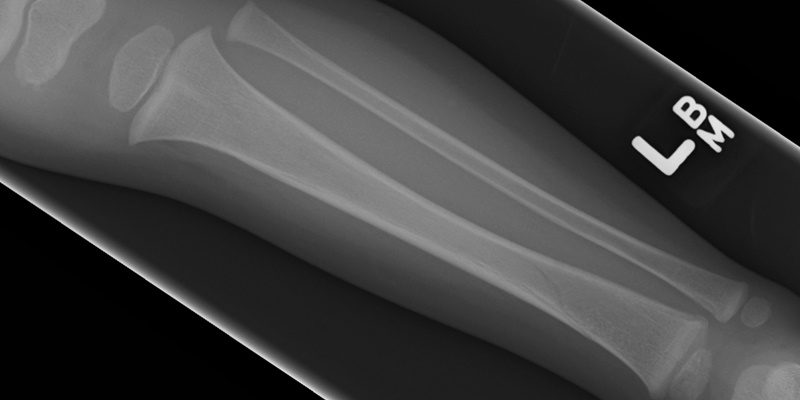
The provision of effective analgesia in children presenting with injuries in the emergency department presents as a challenge, with pain control efforts often proving inadequate. Intranasal administration of pain medications provides rapid analgesia with minimal discomfort. Ketamine, a dissociative anesthetic, is commonly used in facilitating painful procedures in the emergent pediatric setting. In this study, the Pain Reduction with Intranasal Medications for Extremity Injuries (PRIME) trial, 90 children were randomized to receive intranasal ketamine (1.5 mg/kg) or intranasal fentanyl (2 ug/kg) to determine whether intranasal subdissociative ketamine is noninferior to intranasal fentanyl for the treatment of acute pain associated with traumatic limb injuries in children presenting to the emergency department without routinely administered ibuprofen/acetaminophen. Researchers found that 30 minutes after medication administration, the mean visual analog scale reduction was 30.6 mm (95% CI 25.4 mm to 35.8 mm) for children that received ketamine, and 31.9 mm (95% CI 26.6 mm to 37.2 mm) in the fentanyl group. Pain reduction was sustained over the first 60 minutes for both groups. Ketamine was noninferior to fentanyl in terms of pain reduction 30 minutes after study medication administration. There was no significant difference in highest achieved sedation scores between the groups. Of note, the risk of adverse events was higher in the ketamine group (RR 2.5, 95% CI 1.5 to 4.0), however, all events were minor and transient. The use of rescue analgesia was similar between groups. This study therefore shows that the use of intranasal ketamine may be used in achieving effective analgesia that is noninferior to fentanyl in children with acute extremity injuries.

Click to read the study in JAMA Pediatrics

Image: PD

©2018 2 Minute Medicine, Inc. All rights reserved. No works may be reproduced without expressed written consent from 2 Minute Medicine, Inc. Inquire about licensing here. No article should be construed as medical advice and is not intended as such by the authors or by 2 Minute Medicine, Inc.

RELATED REPORTS

Etomidate is associated with higher in-hospital mortality compared with ketamine in rapid sequence intubation for severely ill patients

Higher dose extended-release buprenorphine may reduce opioid use in patients with heavy fentanyl use

Use of etomidate and ketamine is associated with similar rates of peri-intubation hypotension and mortality

Tags: fentanylketaminepain control
Previous Post

Greater prenatal alcohol exposure trajectories linked to impaired growth and neurodevelopment

Next Post

PCI for unprotected left main coronary artery stenosis still performed infrequently

RelatedReports

Emergency

Etomidate is associated with higher in-hospital mortality compared with ketamine in rapid sequence intubation for severely ill patients

January 13, 2026
Patients with low back pain or pain at multiple sites at highest risk for chronic opioid use
Chronic Disease

Higher dose extended-release buprenorphine may reduce opioid use in patients with heavy fentanyl use

January 13, 2026
Postextubation administration of high-flow oxygen leads to reduced reintubation and respiratory failure
Emergency

Use of etomidate and ketamine is associated with similar rates of peri-intubation hypotension and mortality

January 13, 2026
Parental nonmedical prescription opioid use linked to adolescent use
Pharma

Evidence gap for acute pain outcomes in opioid use disorder

March 24, 2025
Next Post
PCI not superior to medical therapy alone in stable coronary disease: The COURAGE study

PCI for unprotected left main coronary artery stenosis still performed infrequently

#VisualAbstract: Haloperidol and Ziprasidone for Treatment of Delirium in Critical Illness

#VisualAbstract: Haloperidol and Ziprasidone for Treatment of Delirium in Critical Illness

Medical home linked to lower pediatric readmission rate

Quick Take: Association of extending hospital length of stay with reduced pediatric hospital readmissions

2 Minute Medicine® is an award winning, physician-run, expert medical media company. Our content is curated, written and edited by practicing health professionals who have clinical and scientific expertise in their field of reporting. Our editorial management team is comprised of highly-trained MD physicians. Join numerous brands, companies, and hospitals who trust our licensed content.

Recent Reports

  • A planetary health diet is associated with a lower risk of developing chronic kidney disease
  • The modified reverse valsalva for supraventricular tachycardia
  • Acupuncture may reduce pain and improve function in patients with migraine without aura
License Content
Terms of Use | Disclaimer
Cookie Policy
Privacy Statement (EU)
Disclaimer

© 2025 2 Minute Medicine, Inc. - Physician-written medical news.

  • Specialties
    • All Specialties, All Recent Reports
    • Cardiology
    • Chronic Disease
    • Dermatology
    • Emergency
    • Endocrinology
    • Gastroenterology
    • Imaging and Intervention
    • Infectious Disease
    • Nephrology
    • Neurology
    • Obstetrics
    • Oncology
    • Ophthalmology
    • Pediatrics
    • Pharma
    • Preclinical
    • Psychiatry
    • Public Health
    • Pulmonology
    • Rheumatology
    • Surgery
  • Tools
    • EvidencePulse™
    • RVU Search
    • NPI Registry Lookup
  • Pharma
  • AI News
  • The Scan
  • Classics™
    • 2MM+ Online Access
    • Paperback and Ebook
  • Rewinds
  • Partners
    • License Content
    • Submit Press Release
    • Advertise with Us
  • Account
    • Subscribe
    • Sign-in
    • My account
No Result
View All Result

© 2025 2 Minute Medicine, Inc. - Physician-written medical news.