• About
  • Masthead
  • License Content
  • Advertise
  • Submit Press Release
  • RSS/Email List
  • 2MM Podcast
  • Write for us
  • Contact Us
2 Minute Medicine
No Result
View All Result

No products in the cart.

SUBSCRIBE
  • Specialties
    • All Specialties, All Recent Reports
    • Cardiology
    • Chronic Disease
    • Dermatology
    • Emergency
    • Endocrinology
    • Gastroenterology
    • Imaging and Intervention
    • Infectious Disease
    • Nephrology
    • Neurology
    • Obstetrics
    • Oncology
    • Ophthalmology
    • Pediatrics
    • Pharma
    • Preclinical
    • Psychiatry
    • Public Health
    • Pulmonology
    • Rheumatology
    • Surgery
  • Tools
    • EvidencePulse™
    • RVU Search
    • NPI Registry Lookup
  • Pharma
  • AI News
  • The Scan+
  • Classics™+
    • 2MM+ Online Access
    • Paperback and Ebook
  • Rewinds
  • Partners
    • License Content
    • Submit Press Release
    • Advertise with Us
  • Account
    • Subscribe
    • Sign-in
    • My account
2 Minute Medicine
  • Specialties
    • All Specialties, All Recent Reports
    • Cardiology
    • Chronic Disease
    • Dermatology
    • Emergency
    • Endocrinology
    • Gastroenterology
    • Imaging and Intervention
    • Infectious Disease
    • Nephrology
    • Neurology
    • Obstetrics
    • Oncology
    • Ophthalmology
    • Pediatrics
    • Pharma
    • Preclinical
    • Psychiatry
    • Public Health
    • Pulmonology
    • Rheumatology
    • Surgery
  • Tools
    • EvidencePulse™
    • RVU Search
    • NPI Registry Lookup
  • Pharma
  • AI News
  • The Scan+
  • Classics™+
    • 2MM+ Online Access
    • Paperback and Ebook
  • Rewinds
  • Partners
    • License Content
    • Submit Press Release
    • Advertise with Us
  • Account
    • Subscribe
    • Sign-in
    • My account
SUBSCRIBE
2 Minute Medicine
Subscribe
Home All Specialties Emergency

Ketamine, Etomidate, and Mortality in Emergency Department Intubations

byAlex XiangandSimon Pan
December 25, 2025
in Emergency, Imaging and Intervention, Pharma, Pulmonology
Reading Time: 2 mins read
0
Share on FacebookShare on Twitter

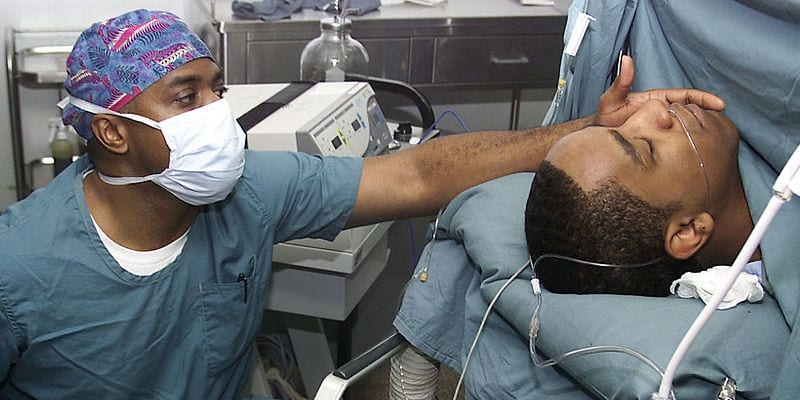
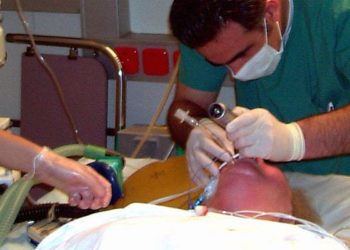
1. Etomidate is associated with significantly higher in-hospital 7- and 28-day mortality compared with ketamine in rapid sequence intubation (RSI) of severely ill patients in the emergency department (ED).

Evidence Rating Level: 2 (Good)

RSI is critical in emergency airway management in critically ill patients. Etomidate and ketamine are favoured induction agents. However, etomidate inhibits adrenal corticosteroid synthesis, while ketamine is associated with peri-intubation hypotension. Recent studies have suggested etomidate may be associated with higher mortality. This target trial emulation of a prospective, multicenter cohort included 1810 patients (median [IQR] age, 64 (50-74) years; 57.9% male)  critically ill patients undergoing emergency intubation across 18 Brazilian EDs. 1048 patients (median [IQR] age, 63 (50-73) years; 59.6% male) received etomidate, and 514 patients (median [IQR] age, 64 (50-74) years; 53.3% male) received ketamine. 7-day (RR, 1.19 [95% CI, 1.04-1.35]; P = .009) and 28-day mortality (RR, 1.14 [95% CI, 1.03-1.27]; P = .01) were significantly higher in the etomidate group. There was no significant difference in the probability of first-attempt intubation success (RR, 0.97 [95% CI, 0.92-1.03]; P = .32). Major adverse events (new hemodynamic instability, severe hypoxemia, cardiac arrest) within 30 minutes after intubation occurred in 31.8% (95% CI, 29.3%-34.3%) of patients in the etomidate group and 30.8% (95% CI, 26.5%-35.2%) of patients in the ketamine group. New hemodynamic instability was less frequent in the etomidate group (RR, 0.78 [95% CI, 0.64-0.95]; P = .02). There were no significant differences in the other complications. While etomidate was associated with a lower risk of peri-intubation hemodynamic instability, it significantly increased mortality at 7 and 28 days. Future randomized clinical trials are required to compare the two agents.

Click here to read this study in JAMA Network Open

Image: PD

©2025 2 Minute Medicine, Inc. All rights reserved. No works may be reproduced without expressed written consent from 2 Minute Medicine, Inc. Inquire about licensing here. No article should be construed as medical advice and is not intended as such by the authors or by 2 Minute Medicine, Inc.

RELATED REPORTS

Ultrasound-Guided Regional Anesthesia by Emergency Physicians for Hip Fractures and Delirium

Prehospital Postintubation Hypotension and Survival in Severe Traumatic Brain Injury

Diphenhydramine, Sodium Bicarbonate, or Combination for Acute Peripheral Vertigo: A Randomized Clinical Trial

Tags: emergency medicineetomidateintubationketaminerapid sequence induction
Previous Post

Prognostic value of premaintenance FDG PET/CT response in patients with newly diagnosed myeloma from the CASSIOPEIA trial

Next Post

Ultrasound-Guided Regional Anesthesia by Emergency Physicians for Hip Fractures and Delirium

RelatedReports

Computed tomography improves diagnostic certainty in the emergency department
Emergency

Ultrasound-Guided Regional Anesthesia by Emergency Physicians for Hip Fractures and Delirium

December 26, 2025
Brain lesions on MRI linked with subsequent increased stroke risk
Emergency

Prehospital Postintubation Hypotension and Survival in Severe Traumatic Brain Injury

November 25, 2025
Brain lesions on MRI linked with subsequent increased stroke risk
Chronic Disease

Diphenhydramine, Sodium Bicarbonate, or Combination for Acute Peripheral Vertigo: A Randomized Clinical Trial

November 14, 2025
Migraines associated with an increased risk of cardiovascular events in women
Chronic Disease

Smartphone-Based Muscle Relaxation for Migraine in the Emergency Department

October 23, 2025
Next Post
Computed tomography improves diagnostic certainty in the emergency department

Ultrasound-Guided Regional Anesthesia by Emergency Physicians for Hip Fractures and Delirium

Admission may not be needed following sleep apnea surgery

2 Minute Medicine Rewind December 29th, 2025

Machine learning models effectively screened for Parkinson’s disease using smile videos

2 Minute Medicine® is an award winning, physician-run, expert medical media company. Our content is curated, written and edited by practicing health professionals who have clinical and scientific expertise in their field of reporting. Our editorial management team is comprised of highly-trained MD physicians. Join numerous brands, companies, and hospitals who trust our licensed content.

Recent Reports

  • Neighborhood Deprivation and Days Spent at Home After Fall-Related Hip Fracture
  • Three vs 12-month DAPT after implantation of biodegradable-polymer sirolimus-eluting coronary stent: a randomised clinical trial
  • Association between atrial fibrillation and both the in-hospital mortality and disease severity in acute pancreatitis: insights from a multicenter study
License Content
Terms of Use | Disclaimer
Cookie Policy
Privacy Statement (EU)
Disclaimer

© 2025 2 Minute Medicine, Inc. - Physician-written medical news.

  • Specialties
    • All Specialties, All Recent Reports
    • Cardiology
    • Chronic Disease
    • Dermatology
    • Emergency
    • Endocrinology
    • Gastroenterology
    • Imaging and Intervention
    • Infectious Disease
    • Nephrology
    • Neurology
    • Obstetrics
    • Oncology
    • Ophthalmology
    • Pediatrics
    • Pharma
    • Preclinical
    • Psychiatry
    • Public Health
    • Pulmonology
    • Rheumatology
    • Surgery
  • Tools
    • EvidencePulse™
    • RVU Search
    • NPI Registry Lookup
  • Pharma
  • AI News
  • The Scan
  • Classics™
    • 2MM+ Online Access
    • Paperback and Ebook
  • Rewinds
  • Partners
    • License Content
    • Submit Press Release
    • Advertise with Us
  • Account
    • Subscribe
    • Sign-in
    • My account
No Result
View All Result

© 2025 2 Minute Medicine, Inc. - Physician-written medical news.