Two plasma-based biomarkers may accurately predict positive CT head scans in traumatic brain injury
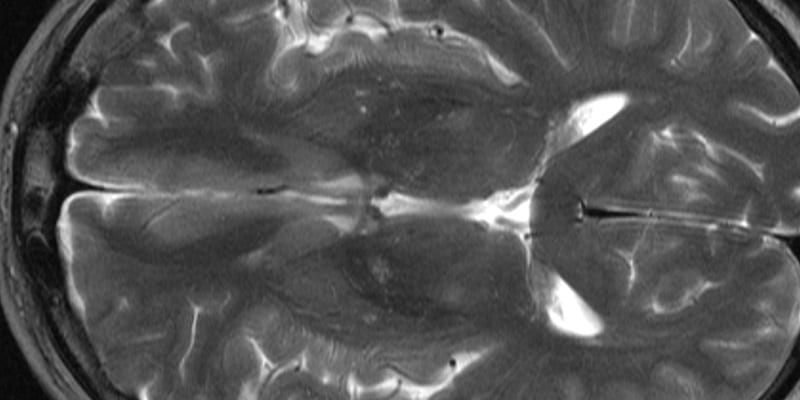
1. A plasma cartridge measuring Glial Fibrillary Acidic Protein (GFAP) and Ubiquitin C-terminal Hydrolase-L1 (UCH-L1) has the potential to reduce computed tomography (CT) head use and streamline clinical decision making in the emergency department in acute mild traumatic brain injury (TBI).
Evidence Rating Level: 2 (Good)
CT is the preferred imaging modality in the ED for evaluating TBIs. However, the majority of scans are negative, making their associated cost, time, and radiation exposure potentially unnecessary. Recent literature has shown promising results in using TBI biomarkers in the management of mild, low-risk TBI. Some of these markers include GFAP and UCH-L1. This single-centre observational study sought to assess the efficacy of a TBI cartridge measuring GFAP and UCH-L1 in predicting positive CT scans in adults over 17 years old who presented with a TBI, had a Glasgow Coma Scale score of 15 at presentation, and had samples collected within 12 hours of the injury. 141 patients (median age, 67 years) were included. The TBI plasma cartridge sensitivity was 100%, specificity was 34.1%, positive predictive value (PPV) was 6.3%, and negative predictive value (NPV) was 100%. The mean time for a CT scan was 2 h 12 min (132 min), and the mean time for the TBI plasma cartridge was 37 min, resulting in a savings of 1 h and 35 min (95 min). Overall, use of the TBI plasma cartridge has the potential to reduce CT head scans for acute mTBI by up to 32.6%, resulting in a 72% reduction in diagnostic time to rule out minor TBI in the ED, and reduce total diagnostic test wait times by 4.6%.
Click here to read the study in the American Journal of Emergency Medicine
Image: PD
©2026 2 Minute Medicine, Inc. All rights reserved. No works may be reproduced without expressed written consent from 2 Minute Medicine, Inc. Inquire about licensing here. No article should be construed as medical advice and is not intended as such by the authors or by 2 Minute Medicine, Inc.