• About
  • Masthead
  • License Content
  • Advertise
  • Submit Press Release
  • RSS/Email List
  • 2MM Podcast
  • Write for us
  • Contact Us
2 Minute Medicine
No Result
View All Result

No products in the cart.

SUBSCRIBE
  • About
  • Specialties
    • All Specialties, All Recent Reports
    • Cardiology
    • Chronic Disease
    • Dermatology
    • Emergency
    • Endocrinology
    • Gastroenterology
    • Imaging and Intervention
    • Infectious Disease
    • Nephrology
    • Neurology
    • Obstetrics
    • Oncology
    • Ophthalmology
    • Pediatrics
    • Pharma
    • Preclinical
    • Psychiatry
    • Public Health
    • Pulmonology
    • Rheumatology
    • Surgery
  • Tools+
    • EvidencePulse™
    • HypeCheck™
    • NPI Registry Lookup
    • RVU Search
  • Pharma
  • AI Roundup
  • The Scan+
  • Classics™+
    • 2MM+ Online Access
    • Paperback and Ebook
  • Rewinds
  • Partners
    • License Content
    • Submit Press Release
    • Advertise with Us
  • Account
    • Subscribe
    • My account
    • Cart
    • Sign-in
2 Minute Medicine
  • About
  • Specialties
    • All Specialties, All Recent Reports
    • Cardiology
    • Chronic Disease
    • Dermatology
    • Emergency
    • Endocrinology
    • Gastroenterology
    • Imaging and Intervention
    • Infectious Disease
    • Nephrology
    • Neurology
    • Obstetrics
    • Oncology
    • Ophthalmology
    • Pediatrics
    • Pharma
    • Preclinical
    • Psychiatry
    • Public Health
    • Pulmonology
    • Rheumatology
    • Surgery
  • Tools+
    • EvidencePulse™
    • HypeCheck™
    • NPI Registry Lookup
    • RVU Search
  • Pharma
  • AI Roundup
  • The Scan+
  • Classics™+
    • 2MM+ Online Access
    • Paperback and Ebook
  • Rewinds
  • Partners
    • License Content
    • Submit Press Release
    • Advertise with Us
  • Account
    • Subscribe
    • My account
    • Cart
    • Sign-in
SUBSCRIBE
2 Minute Medicine
Subscribe
EvidencePulse™ by 2 Minute Medicine 2026 evidence scan 3 reports You asked top stroke trials 2026 Synthesizing medical evidence... Top 2026 stroke trial results: OCEANIC — ischemic stroke: 6.2% vs 8.4% OPTION* — mRS 0–1: 43.6% vs 34.2% ORIENTAL* — mRS 0–2: 58.6% vs 46.6% *Higher sICH in intervention arms Participants randomizedN OCEANIC 12,327 OPTION 570 ORIENTAL 564 Ask about guidelines or landmark trials... ↑ Try EvidencePulse™ Ask the evidence.
Get the signal.
Try it now → Physician-trained medical AI by 2 Minute Medicine
Home All Specialties Chronic Disease

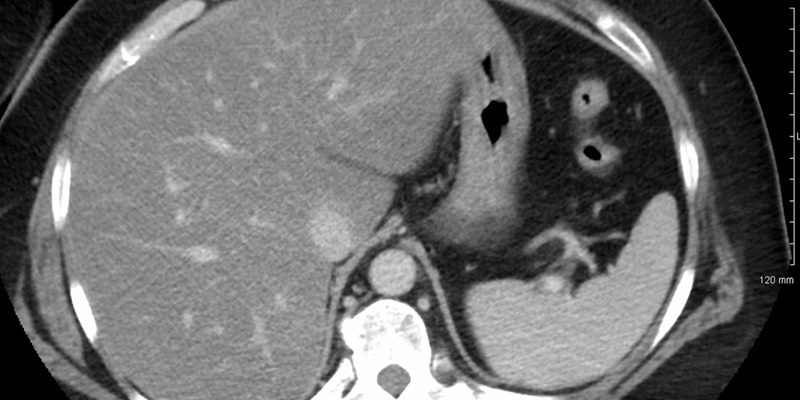
Semaglutide associated with dose-dependent weight loss and resolution of nonalcoholic steatohepatitis
byThomas SuandDeepti Shroff
November 22, 2020
in Chronic Disease, Endocrinology, Gastroenterology
Reading Time: 3 mins read
Low free sugar diet reduces hepatic steatosis in nonalcoholic fatty liver disease in adolescent males
Share on FacebookShare on Twitter

1. Nonalcoholic steatohepatitis (NASH) resolution without worsening of fibrosis occurred in a significantly greater percentage of patients who received semaglutide versus placebo, but the number of patients who had improvement in fibrosis without worsening of NASH was similar between groups.

2. Patients who received semaglutide lost 8-20x more weight (depending on dose) than those who received placebo.

Evidence Rating Level: 1 (Excellent)

Study Rundown: Nonalcoholic steatohepatitis (NASH) is an aggressive form of fatty liver disease that is associated with fibrosis and cirrhosis as well as cardiovascular disease, chronic renal disease, and cancer. No specific pharmacotherapies currently exist for NASH, so treatment is limited to weight loss and management of coexisting conditions. Given that insulin resistance is known to be a key pathogenic driver of NASH, a number of glucagon-like peptide-1 (GLP-1) agonists are currently being investigated for their liver-specific effects. Semaglutide, one such agent, has previously been shown to facilitate reductions in body weight, transaminase levels, and various biomarkers of inflammation. In this phase 2 trial, patients were administered subcutaneous semaglutide at 3 different dosages and monitored for histological changes in liver tissue. Among patients with stage F2 or F3 fibrosis, semaglutide at all dosages resulted in a greater likelihood of NASH resolution compared to placebo. However, the percentage of these patients who experienced an improvement of at least 1 point in fibrosis stage was similar across all groups. Over twice as many patients in the 0.4-mg group achieved both of these endpoints as compared to the placebo group; conversely, worsening of fibrosis occurred in nearly twice as many patients in the placebo group versus the 0.1-mg group, which had the highest frequency of the three semaglutide groups. Further, patients in the semaglutide groups experienced greater, dose-dependent reductions in alanine- and aspartate-aminotransferase levels versus placebo. Lastly, gastrointestinal adverse events and serious adverse events were dose-independent but occurred in a greater percentage of patients in the three treatment groups versus placebo.

Click here to read the study in NEJM

Relevant Reading: Semaglutide for the treatment of non-alcoholic steatohepatitis: Trial design and comparison of non-invasive biomarkers

RELATED REPORTS

Newer GLP-1 agents yield substantial weight loss in nondiabetic adults

Use of semaglutide for weight control among women of reproductive age is more common in those using hormonal contraception

2 Minute Medicine Rewind July 27th, 2026 

In-Depth [randomized controlled trial]: This double-blinded, multicenter phase 2 trial conducted from January 2017 to September 2018 involved 320 adults under 75 years of age who had a BMI >25 kg/m2, histological evidence of NASH (NAFLD activity score >4 with at least 1 point in each category: steatosis, lobular inflammation, hepatocyte ballooning), and a fibrosis stage of F1, F2, or F3. Study participants were stratified by geography (Japan vs. other), type 2 diabetes status, and fibrosis stage (F1 or F2 vs. F3) and randomly assigned in a 3:3:3:1:1:1 ratio to receive once-daily subcutaneous semaglutide at a dose of 0.1, 0.2, or 0.4 mg or corresponding placebo. Semaglutide was initiated at 0.05 mg/day, increased to 0.1 mg/day after 4 weeks, and then increased by 0.1 mg/day every 4 weeks thereafter until the target dose had been reached. After 72 weeks, a significantly greater percentage of patients with stage F2 or F3 fibrosis in all three treatment groups reached the primary endpoint—resolution of NASH (defined as no more than mild residual inflammation and no hepatocyte ballooning) with no worsening of liver fibrosis. The between-group difference compared to placebo was smaller in the 0.1-mg group (odds ratio [OR], 3.36; 95% CI, 1.29-8.86) and 0.2-mg group (OR, 2.71; 95% CI, 1.06-7.56) and largest in the 0.4-mg group (59% vs. 17%; OR, 6.87; 95% CI, 2.60-17.63; P<0.001). All four groups were similar with respect to the percentage of patients who reached the confirmatory secondary endpoint—an improvement of at least one fibrosis stage with no worsening of NASH.

Image: PD

©2020 2 Minute Medicine, Inc. All rights reserved. No works may be reproduced without expressed written consent from 2 Minute Medicine, Inc. Inquire about licensing here. No article should be construed as medical advice and is not intended as such by the authors or by 2 Minute Medicine, Inc.

Tags: non-alcoholic fatty liver disease (NAFLD)Non-alcoholic steatohepatitis (NASH)semaglutide
Previous Post

Plant-based QVLP influenza vaccine likely non-inferior to commercial inactivated vaccines

Next Post

Evinacumab may be effective in reducing lipid levels in patients with refractory hypercholesterolemia

RelatedReports

Increasing maternal BMI linked to higher risk of cerebral palsy
Endocrinology

Newer GLP-1 agents yield substantial weight loss in nondiabetic adults

August 31, 2026
Sleep duration inversely related to childhood type 2 diabetes risk makers
Endocrinology

Use of semaglutide for weight control among women of reproductive age is more common in those using hormonal contraception

July 30, 2026
Variability in interpretation of breast biopsy slides associated with low verification of atypia and ductal carcinoma in situ
Weekly Rewinds

2 Minute Medicine Rewind July 27th, 2026 

July 27, 2026
Endocrinology

Biweekly glucagon-like peptide-1 receptor agonist bofanglutide improves glycemic control

June 29, 2026
Next Post

Evinacumab may be effective in reducing lipid levels in patients with refractory hypercholesterolemia

Screening and exercise interventions did not reduce fractures in the elderly

Adalimumab aids in control of noninfectious uveitis

Schlemm canal microstent implantation associated with long-term reduction in intraocular pressure and need for additional surgeries

EvidencePulse™ by 2 Minute Medicine 2026 evidence scan 3 reports You asked top stroke trials 2026 Synthesizing medical evidence... Top 2026 stroke trial results: OCEANIC — ischemic stroke: 6.2% vs 8.4% OPTION* — mRS 0–1: 43.6% vs 34.2% ORIENTAL* — mRS 0–2: 58.6% vs 46.6% *Higher sICH in intervention arms Participants randomizedN OCEANIC 12,327 OPTION 570 ORIENTAL 564 Ask about guidelines or landmark trials... ↑ Try EvidencePulse™ Get the signal. Try it now → Physician-trained medical AI by 2 Minute Medicine

2MM+ All Access

Full details →
$4.99 /month

3-day free trial · cancel anytime

  • ✓100+ physician-written reports
  • ✓EvidencePulse™ + HypeCheck™
  • ✓Ad-free reading + newsletters
Start 3-day free trial

Then $4.99/month. Manage renewal in your account.

2 Minute Medicine® is an award winning, physician-run, expert medical media company. Our content is curated, written and edited by practicing health professionals who have clinical and scientific expertise in their field of reporting. Our editorial management team is comprised of highly-trained MD physicians. Join numerous brands, companies, and hospitals who trust our licensed content.

Recent Reports

  • Prognostic associations of anthropometric indices vary by clinical outcomes
  • Anitocabtagene autoleucel associated with sustained clinical response in heavily pretreated multiple myeloma
  • Gene therapy shows sustained benefit in Wiskott–Aldrich syndrome
License Content
Terms of Use | Disclaimer
Cookie Policy
2MM+ All Access Full details →

The medical literature, distilled daily.

Monthly plan selected: $4.99 /month.

$4.99/month

3-day free trial · cancel anytime

Start 3-day free trial

Then $4.99/month. Manage renewal in your account.

Yearly plan selected: $49.90 /year.

$49.90/year

2 months free

Start 3-day free trial

Then $49.90/year.

Membership benefits

  • ✓100+ physician-written reports
  • ✓AI EvidencePulse™ + HypeCheck™
  • ✓Ad-free reading + newsletters

Already a member? Sign in

  • About
  • Specialties
    • All Specialties, All Recent Reports
    • Cardiology
    • Chronic Disease
    • Dermatology
    • Emergency
    • Endocrinology
    • Gastroenterology
    • Imaging and Intervention
    • Infectious Disease
    • Nephrology
    • Neurology
    • Obstetrics
    • Oncology
    • Ophthalmology
    • Pediatrics
    • Pharma
    • Preclinical
    • Psychiatry
    • Public Health
    • Pulmonology
    • Rheumatology
    • Surgery
  • Tools
    • EvidencePulse™
    • HypeCheck™
    • NPI Registry Lookup
    • RVU Search
  • Pharma
  • AI Roundup
  • The Scan
  • Classics™
    • 2MM+ Online Access
    • Paperback and Ebook
  • Rewinds
  • Partners
    • License Content
    • Submit Press Release
    • Advertise with Us
  • Account
    • Subscribe
    • My account
    • Cart
    • Sign-in
No Result
View All Result

© 2026 2 Minute Medicine, Inc. - Physician-written medical news.