• About
  • Masthead
  • License Content
  • Advertise
  • Press Releases
  • Newsroom
  • RSS/Email List
  • 2MM Podcast
  • Write for us
  • Contact Us
2 Minute Medicine
No Result
View All Result

No products in the cart.

Sign in
SUBSCRIBE
  • About
  • Specialties
    • All Specialties, All Recent Reports
    • Cardiology
    • Chronic Disease
    • Dermatology
    • Emergency
    • Endocrinology
    • Gastroenterology
    • Imaging and Intervention
    • Infectious Disease
    • Nephrology
    • Neurology
    • Obstetrics
    • Oncology
    • Ophthalmology
    • Pediatrics
    • Pharma
    • Preclinical
    • Psychiatry
    • Public Health
    • Pulmonology
    • Rheumatology
    • Surgery
    • Rewinds
    • The Scan
  • EvidencePulse™
  • HypeCheck™
  • AI News
  • Classics™
    • 2MM+ Online Access
    • Paperback and Ebook
  • Tools
    • NPI Registry Lookup
    • RVU Search
  • Partners
    • License Content
    • Advertise with Us
2 Minute Medicine
  • About
  • Specialties
    • All Specialties, All Recent Reports
    • Cardiology
    • Chronic Disease
    • Dermatology
    • Emergency
    • Endocrinology
    • Gastroenterology
    • Imaging and Intervention
    • Infectious Disease
    • Nephrology
    • Neurology
    • Obstetrics
    • Oncology
    • Ophthalmology
    • Pediatrics
    • Pharma
    • Preclinical
    • Psychiatry
    • Public Health
    • Pulmonology
    • Rheumatology
    • Surgery
    • Rewinds
    • The Scan
  • EvidencePulse™
  • HypeCheck™
  • AI News
  • Classics™
    • 2MM+ Online Access
    • Paperback and Ebook
  • Tools
    • NPI Registry Lookup
    • RVU Search
  • Partners
    • License Content
    • Advertise with Us
Sign in
SUBSCRIBE
2 Minute Medicine
Sign in
Subscribe
2 Minute MedicineFree on Google PlayGet
✦ EvidencePulse™ by 2 Minute Medicine 2026 evidence scan 3 reports You asked top stroke trials 2026 Synthesizing medical evidence... Top 2026 stroke trial results: OCEANIC — ischemic stroke: 6.2% vs 8.4% OPTION* — mRS 0–1: 43.6% vs 34.2% ORIENTAL* — mRS 0–2: 58.6% vs 46.6% *Higher sICH in intervention arms Participants randomizedN OCEANIC 12,327 OPTION 570 ORIENTAL 564 Ask about guidelines or landmark trials... ↑ Try EvidencePulse™ Ask the evidence.
Get the signal.
Try it now → Physician-trained medical AI by 2 Minute Medicine
Home All Specialties Oncology

The addition of neoadjuvant and adjuvant pembrolizumab to standard chemotherapy and surgery may improve outcomes in patients with early-stage non-small cell lung cancer
byKassandra McFarlaneandSze Wah Samuel Chan
August 14, 2023
in Chronic Disease, Oncology
Reading Time: 3 mins read
Complement mutation linked to poor response to eculizumab
Share on FacebookShare on TwitterShare on LinkedIn

1. At 24 months, more participants in the pembrolizumab group were alive without an event, compared with the placebo group.

2. 24-month survival in the pembrolizumab group was 80.9% as compared to 77.6% of placebo group patients.

Evidence Rating Level: 1 (Excellent)

Study Rundown: Standard treatments for advanced non-small-cell lung cancer (NSCLC) includes programmed cell death protein 1 (PD-1) and programmed death ligand 1 (PD-L1) immune checkpoint inhibitors. In recent studies, it has been shown that the addition of pembrolizumab, a monoclonal antibody that binds PD-1, improved outcomes. This study examined the effect on event-free survival, overall survival (OS), and the major pathological response of neoadjuvant pembrolizumab, followed by surgery and adjuvant pembrolizumab compared with placebo. The primary outcome of this study was event-free survival and overall survival, while secondary outcomes included major pathological responses. At 24 months, more participants in the pembrolizumab group were alive without an event, compared with the placebo group (62.4% vs. 40.6%, respectively). Median event-free survival was 17.0 months in the placebo group and was not reached in the pembrolizumab group. During the study, 177 patients across both groups died. 24-month survival in the pembrolizumab group was 80.9% as compared to 77.6% of placebo group patients. The median OS in the placebo group was 45.5 months and was not reached in the pembrolizumab group. In 120 patients receiving pembrolizumab, a major pathological response was recorded, as compared to 44 patients in the placebo group. Limitations to this study include that it was not a large enough study to accommodate analysis of relative contributing effects of the neoadjuvant and adjuvant treatment components. Also, the length of time provided for follow-up is not long enough to allow interpretation of long-term outcome data. Additionally, this study explored cisplatin-based chemotherapy only, and results must be interpreted cautiously for patients receiving carboplatin-based therapies. Overall, the results from this study support that the addition of neoadjuvant and adjuvant pembrolizumab to standard chemotherapy treatment and surgical resection may improve outcomes in patients with early-stage NSCLC.

Click to read the study in the NEJM

Click to read an accompanying editorial in NEJM

RELATED REPORTS

Daraxonrasib showed antitumor activity in previously treated RAS-mutant non–small-cell lung cancer

Enfortumab vedotin plus pembrolizumab associated with improved survival in bladder cancer

Relevant Reading: Neoadjuvant nivolumab plus chemotherapy in resectable lung cancer

In-Depth [randomized controlled trial]: This study was a phase 3, randomized controlled trial that assigned 797 adult patients receiving cisplatin-based neoadjuvant chemotherapy in a 1:1 fashion to receive either pembrolizumab (n = 397) or placebo (n = 400) in addition to chemotherapy treatment and surgery. 62.4% of patients receiving pembrolizumab were alive without an event at 24 months, compared with 40.6% of the placebo group (95% confidence interval (CI), 34.8% to 46.3%). Median event-free survival was 17.0 months in the placebo group and not reached in the pembrolizumab group (95% CI, 14.3 to 22.0 months. The hazard ratio (HR) for progression or recurrence of disease, or death, was 0.58 (95% CI, 0.46 to 0.72). At 2 years, 80.9% of patients in the pembrolizumab group were alive (95% CI, 76.2 to 84.7%), as compared to 77.6% of those in the placebo group (95% CI, 72.5 to 81.9%). Median OS was 45.5 months in the placebo group (95% CI, 42.0 to not reached), and was not reached in the pembrolizumab group (95% CI boundaries not reached). 30.2% of patients in the pembrolizumab group had a major pathological response (95% CI, 25.7 to 35.0%), as compared to 11.0% of placebo group patients (95% CI, 8.1 to 14.5%).

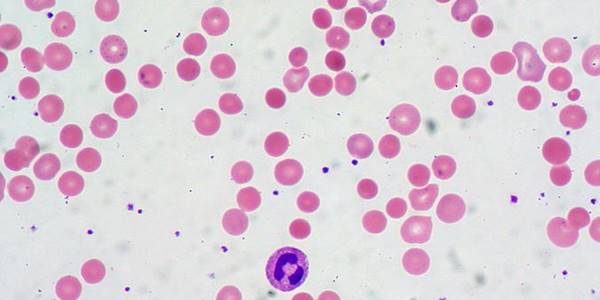
Image: PD

©2023 2 Minute Medicine, Inc. All rights reserved. No works may be reproduced without expressed written consent from 2 Minute Medicine, Inc. Inquire about licensing here. No article should be construed as medical advice and is not intended as such by the authors or by 2 Minute Medicine, Inc.


Tags: non-small cell lung cancer (NSCLC)Pembrolizumabperi-operative immunotherapy
Previous Post

Perioperative Nivolumab and Chemotherapy in Stage III NSCLC

Next Post

School-based cardiovascular health promotion program trial had neutral effect on adolescent cardiovascular health

RelatedReports

Dacomitinib may be effective in EGFR-associated lung cancer
Oncology

Daraxonrasib showed antitumor activity in previously treated RAS-mutant non–small-cell lung cancer

September 4, 2026
Niraparib may lengthen progression-free survival for patients with recurrent ovarian cancer
Oncology

Enfortumab vedotin plus pembrolizumab associated with improved survival in bladder cancer

August 27, 2026
Nivolumab may be effective in platinum-resistant ovarian cancer
Surgery

Perioperative toripalimab improves event-free survival in non-small cell lung cancer

August 9, 2026
Chronic Disease

Enfortumab vedotin plus pembrolizumab is more effective than platinum-based chemotherapy in metastatic urothelial carcinoma

July 9, 2026
Next Post

School-based cardiovascular health promotion program trial had neutral effect on adolescent cardiovascular health

Novel coronavirus identified from patients with pneumonia in Wuhan, China

Abatacept, cenicriviroc, or infliximab does not decrease time to recovery for hospitalized patients with COVID-19 pneumonia

Racial, ethnic differences in outcomes of extremely preterm infants decreasing but persistent

Acute kidney injury more prevalent amongst extremely premature neonates

✦ EvidencePulse™ by 2 Minute Medicine 2026 evidence scan 3 reports You asked top stroke trials 2026 Synthesizing medical evidence... Top 2026 stroke trial results: OCEANIC — ischemic stroke: 6.2% vs 8.4% OPTION* — mRS 0–1: 43.6% vs 34.2% ORIENTAL* — mRS 0–2: 58.6% vs 46.6% *Higher sICH in intervention arms Participants randomizedN OCEANIC 12,327 OPTION 570 ORIENTAL 564 Ask about guidelines or landmark trials... Try EvidencePulse™ Get the signal. Try it now → Physician-trained medical AI by 2 Minute Medicine

2MM+ All Access

Full details →
$4.99 /month

3-day free trial · cancel anytime

  • ✓100+ physician-written reports
  • ✓EvidencePulse™ + HypeCheck™
  • ✓Ad-free reading + newsletters
Start 3-day free trial

Then $4.99/month. Manage renewal in your account.

NPI Lookup · Free

Look up any US clinician

Search by name or NPI number, live from the CMS NPI Registry.

  • OIG exclusion check
  • Licenses and specialties
  • No account needed
Open NPI Lookup →

2 Minute Medicine® is an award winning, physician-run, expert medical media company. Our content is curated, written and edited by practicing health professionals who have clinical and scientific expertise in their field of reporting. Our editorial management team is comprised of highly-trained MD physicians. Join numerous brands, companies, and hospitals who trust our licensed content.

Recent Reports

  • An electronic health record tool for exercise prescription may reduce fall rate among older adults
  • Optogenetic therapy may partially restore vision in retinitis pigmentosa
  • An artificial intelligence system for human papillomavirus-positive dual stain cervical cancer screening reads p16-Ki67 slides
License Content
Terms of Use | Disclaimer
Cookie Policy

Get the app

Read 2 Minute Medicine on iPhone, iPad and Android.

Download on the App StoreGet it on Google Play
QR code for www.2minutemedicine.com/app
On a computer? Scan this with your phone’s camera.
2MM+ All Access Full details →

The medical literature, distilled daily.

Monthly plan selected: $4.99 /month.

$4.99/month

3-day free trial · cancel anytime

Start 3-day free trial

Then $4.99/month. Manage renewal in your account.

Yearly plan selected: $49.90 /year.

$49.90/year

2 months free

Start 3-day free trial

Then $49.90/year.

Membership benefits

  • ✓100+ physician-written reports
  • ✓AI EvidencePulse™ + HypeCheck™
  • ✓Ad-free reading + newsletters
  • ✓NPI watchlist + bulk NPI verification

Already a member? Sign in

  • Get the app
  • About
  • Specialties
    • All Specialties, All Recent Reports
    • Cardiology
    • Chronic Disease
    • Dermatology
    • Emergency
    • Endocrinology
    • Gastroenterology
    • Imaging and Intervention
    • Infectious Disease
    • Nephrology
    • Neurology
    • Obstetrics
    • Oncology
    • Ophthalmology
    • Pediatrics
    • Pharma
    • Preclinical
    • Psychiatry
    • Public Health
    • Pulmonology
    • Rheumatology
    • Surgery
    • Rewinds
    • The Scan
  • EvidencePulse™
  • HypeCheck™
  • AI News
  • Classics™
    • 2MM+ Online Access
    • Paperback and Ebook
  • Tools
    • NPI Registry Lookup
    • RVU Search
  • Partners
    • License Content
    • Advertise with Us
No Result
View All Result

© 2026 2 Minute Medicine, Inc. - Physician-written medical news.