Lilly Strikes $1.3 Billion GPCR Drug Discovery Pact with Superluminal
Key Points:
1. Deal worth up to $1.3 billion brings AI-powered GPCR target discovery into Lilly’s obesity and cardiometabolic pipeline.
2. Superluminal’s lead melanocortin 4 receptor candidate is expected to enter human trials next year.
On August 14, 2025, Eli Lilly announced a strategic collaboration with Superluminal Medicines valued at up to $1.3 billion to discover and develop drugs targeting G protein–coupled receptors (GPCRs) for obesity and cardiometabolic disorders. GPCRs are among the largest and most diverse receptor families, playing a key role in regulating appetite, metabolism, and cardiovascular function. The deal includes upfront cash, milestone payments, royalties, and an equity stake in Superluminal. Superluminal’s AI-enabled discovery platform will be applied to several programs, starting with a melanocortin 4 receptor agonist expected to enter human trials in 2026. Lilly remains a dominant player in the obesity drug market, which analysts forecast could hit $150 billion annually by the early 2030s. The company’s press release outlines a joint royalty model for any successful products. Background from the National Institutes of Health underscores the complexity and therapeutic promise of GPCRs. The alliance broadens Lilly’s pipeline beyond GLP-1 drugs like tirzepatide, positioning it against competitors Novo Nordisk and Amgen. Analysts believe the combination of Superluminal’s computational expertise and Lilly’s clinical resources could shorten time to market. For Superluminal, the partnership delivers not only capital but also access to a global commercialization network. Industry analysts see this as part of a wider move by major pharmaceutical companies to diversify beyond the dominant GLP-1 class and secure a foothold in next-generation obesity therapeutics. Some experts believe that targeting GPCRs could produce drugs with different safety and tolerability profiles, potentially expanding the patient pool. The collaboration also underscores the role of artificial intelligence in compressing drug discovery timelines and identifying candidates with higher probability of success. Investors will track pipeline announcements closely to see how quickly the first compound advances toward clinical testing. If the initial melanocortin 4 receptor program succeeds, it could open the door to a new wave of mechanism-based obesity treatments.
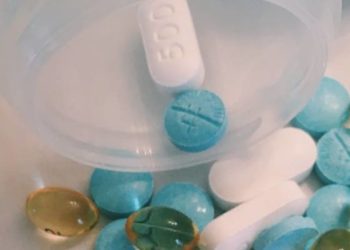
Image: PD
©2025 2 Minute Medicine, Inc. All rights reserved. No works may be reproduced without expressed written consent from 2 Minute Medicine, Inc. Inquire about licensing here. No article should be construed as medical advice and is not intended as such by the authors or by 2 Minute Medicine, Inc.