• About
  • Masthead
  • License Content
  • Advertise
  • Submit Press Release
  • RSS/Email List
  • 2MM Podcast
  • Write for us
  • Contact Us
2 Minute Medicine
No Result
View All Result

No products in the cart.

SUBSCRIBE
  • About
  • Specialties
    • All Specialties, All Recent Reports
    • Cardiology
    • Chronic Disease
    • Dermatology
    • Emergency
    • Endocrinology
    • Gastroenterology
    • Imaging and Intervention
    • Infectious Disease
    • Nephrology
    • Neurology
    • Obstetrics
    • Oncology
    • Ophthalmology
    • Pediatrics
    • Pharma
    • Preclinical
    • Psychiatry
    • Public Health
    • Pulmonology
    • Rheumatology
    • Surgery
  • Tools+
    • EvidencePulse™
    • HypeCheck™
    • NPI Registry Lookup
    • RVU Search
  • Pharma
  • AI Roundup
  • The Scan+
  • Classics™+
    • 2MM+ Online Access
    • Paperback and Ebook
  • Rewinds
  • Partners
    • License Content
    • Submit Press Release
    • Advertise with Us
  • Account
    • Subscribe
    • My account
    • Cart
    • Sign in
2 Minute Medicine
  • About
  • Specialties
    • All Specialties, All Recent Reports
    • Cardiology
    • Chronic Disease
    • Dermatology
    • Emergency
    • Endocrinology
    • Gastroenterology
    • Imaging and Intervention
    • Infectious Disease
    • Nephrology
    • Neurology
    • Obstetrics
    • Oncology
    • Ophthalmology
    • Pediatrics
    • Pharma
    • Preclinical
    • Psychiatry
    • Public Health
    • Pulmonology
    • Rheumatology
    • Surgery
  • Tools+
    • EvidencePulse™
    • HypeCheck™
    • NPI Registry Lookup
    • RVU Search
  • Pharma
  • AI Roundup
  • The Scan+
  • Classics™+
    • 2MM+ Online Access
    • Paperback and Ebook
  • Rewinds
  • Partners
    • License Content
    • Submit Press Release
    • Advertise with Us
  • Account
    • Subscribe
    • My account
    • Cart
    • Sign in
SUBSCRIBE
2 Minute Medicine
Subscribe
EvidencePulse™ by 2 Minute Medicine 2026 evidence scan 3 reports You asked top stroke trials 2026 Synthesizing medical evidence... Top 2026 stroke trial results: OCEANIC — ischemic stroke: 6.2% vs 8.4% OPTION* — mRS 0–1: 43.6% vs 34.2% ORIENTAL* — mRS 0–2: 58.6% vs 46.6% *Higher sICH in intervention arms Participants randomizedN OCEANIC 12,327 OPTION 570 ORIENTAL 564 Ask about guidelines or landmark trials... ↑ Try EvidencePulse™ Ask the evidence.
Get the signal.
Try it now → Physician-trained medical AI by 2 Minute Medicine
Home All Specialties Obstetrics

Ketorolac administration after cesarean delivery may reduce postoperative opioid use
byJayden BerdugoandSimon Pan
March 30, 2026
in Obstetrics, Pharma
Reading Time: 2 mins read
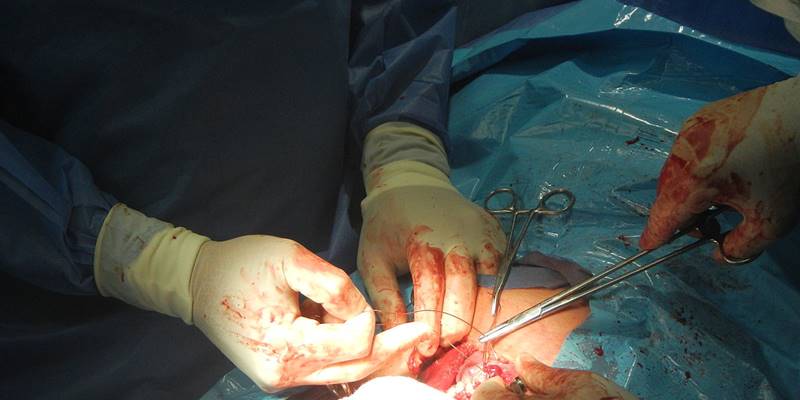
No differences in pain between suture and staple C-Section closure
Share on FacebookShare on Twitter

1. In this randomized controlled trial, a 60‑mg IV ketorolac loading dose after cesarean delivery modestly reduced postoperative opioid use and delayed the need for first opioid administration compared with a 30‑mg dose.

Evidence Rating Level: 1 (Excellent) 

Cesarean delivery accounts for nearly one‑third of births in the United States, making effective postoperative pain control essential to improve recovery, support early mobility, and reduce opioid exposure. Although multimodal analgesia, including NSAIDs like ketorolac, is standard, the optimal ketorolac dose after cesarean delivery remains uncertain. Pregnancy has associated changes in drug metabolism that may increase ketorolac clearance and distribution. These physiologic differences suggest that a higher loading dose could provide better analgesia, prompting this study to compare 60 mg versus the standard 30 mg dose on postoperative opioid use and pain control. In this randomized controlled trial, pregnant individuals undergoing cesarean section were included, and randomization occurred in the operating room once surgery was complete. These 92 participants were randomized to receive either a 60 mg (n=46) or 30 mg (n=46) intravenous ketorolac loading dose after cesarean delivery. Median opioid use in the first 24 hours was similar in both groups at 7.5 morphine miligram equivalents (MMEs), though the distribution differed significantly (P=.02). Across the full delivery admission, patients receiving 60 mg required fewer opioids overall (15 MMEs, IQR 0–37.5) compared with those receiving 30 mg (30 MMEs, IQR 7.5–54.5; P=.043). The 60‑mg group also experienced a markedly longer interval before first opioid administration (15 hours vs 2.75 hours; P=.002) and reported lower pain scores on arrival to the postpartum unit (3 vs 5; P<.001). No treatment‑related adverse events occurred in either group, and no difference in pain scores. Overall, a 60 mg loading dose of IV ketorolac after cesarean delivery modestly reduced postoperative opioid use and delayed the need for first opioid administration compared with the standard 30 mg dose; however, the effect was modest, suggesting further research is needed to clarify its clinical value.

Click here to read this study in O&G Open

Image: PD

©2026 2 Minute Medicine, Inc. All rights reserved. No works may be reproduced without expressed written consent from 2 Minute Medicine, Inc. Inquire about licensing here. No article should be construed as medical advice and is not intended as such by the authors or by 2 Minute Medicine, Inc.  

RELATED REPORTS

A health coaching intervention may improve blood pressure control in postpartum women

Medical or procedural abortion may not increase risk of psychotropic medication use after five years

Epidural analgesia in labour is not associated with adverse neonatal health outcomes

Tags: cesarean deliveryketorolacobstetricsopioid treatment
Previous Post

One Big Beautiful Bill could impact half of Medicaid beneficiaries

Next Post

Bottom-vented bottles may not reduce gastrointestinal discomfort in infants

RelatedReports

Prevalence of hypertension among adolescents varies by race and BMI
Cardiology

A health coaching intervention may improve blood pressure control in postpartum women

August 12, 2026
Quick Take: Effect of Pregabalin on Radiotherapy-Related Neuropathic Pain in Patients With Head and Neck Cancer: A Randomized Controlled Trial
Chronic Disease

Medical or procedural abortion may not increase risk of psychotropic medication use after five years

July 27, 2026
Behavioral dysregulation in infancy predicts later child mental health
Imaging and Intervention

Epidural analgesia in labour is not associated with adverse neonatal health outcomes

July 23, 2026
Risk of autism in offspring linked to maternal pregestational diabetes and severe obesity
Obstetrics

Children conceived through infertility treatments may have similar growth compared to naturally conceived children

June 11, 2026
Next Post
Infant room-sharing associated with less nighttime sleep and unsafe sleep practices

Bottom-vented bottles may not reduce gastrointestinal discomfort in infants

Radiation plus hormone therapy may improve prostate cancer survival

Pfizer’s Talzenna combo significantly delays prostate cancer progression

Placental abruption during pregnancy is not associated with increased risk of cardiovascular mortality in children

EvidencePulse™ by 2 Minute Medicine 2026 evidence scan 3 reports You asked top stroke trials 2026 Synthesizing medical evidence... Top 2026 stroke trial results: OCEANIC — ischemic stroke: 6.2% vs 8.4% OPTION* — mRS 0–1: 43.6% vs 34.2% ORIENTAL* — mRS 0–2: 58.6% vs 46.6% *Higher sICH in intervention arms Participants randomizedN OCEANIC 12,327 OPTION 570 ORIENTAL 564 Ask about guidelines or landmark trials... ↑ Try EvidencePulse™ Get the signal. Try it now → Physician-trained medical AI by 2 Minute Medicine

2MM+ All Access

Full details →
$4.99 /month

3-day free trial · cancel anytime

  • ✓100+ physician-written reports
  • ✓EvidencePulse™ + HypeCheck™
  • ✓Ad-free reading + newsletters
Start 3-day free trial

Then $4.99/month. Manage renewal in your account.

2 Minute Medicine® is an award winning, physician-run, expert medical media company. Our content is curated, written and edited by practicing health professionals who have clinical and scientific expertise in their field of reporting. Our editorial management team is comprised of highly-trained MD physicians. Join numerous brands, companies, and hospitals who trust our licensed content.

Recent Reports

  • Frailty in older adults with atrial fibrillation is multifactorial and associated with metabolic and cognitive factors
  • Artificial intelligence (AI) capable of identifying uncommon gastrointestinal pathologies despite no targeted disease training
  • Prognostic associations of anthropometric indices vary by clinical outcomes
License Content
Terms of Use | Disclaimer
Cookie Policy
2MM+ All Access Full details →

The medical literature, distilled daily.

Monthly plan selected: $4.99 /month.

$4.99/month

3-day free trial · cancel anytime

Start 3-day free trial

Then $4.99/month. Manage renewal in your account.

Yearly plan selected: $49.90 /year.

$49.90/year

2 months free

Start 3-day free trial

Then $49.90/year.

Membership benefits

  • ✓100+ physician-written reports
  • ✓AI EvidencePulse™ + HypeCheck™
  • ✓Ad-free reading + newsletters

Already a member? Sign in

  • About
  • Specialties
    • All Specialties, All Recent Reports
    • Cardiology
    • Chronic Disease
    • Dermatology
    • Emergency
    • Endocrinology
    • Gastroenterology
    • Imaging and Intervention
    • Infectious Disease
    • Nephrology
    • Neurology
    • Obstetrics
    • Oncology
    • Ophthalmology
    • Pediatrics
    • Pharma
    • Preclinical
    • Psychiatry
    • Public Health
    • Pulmonology
    • Rheumatology
    • Surgery
  • Tools
    • EvidencePulse™
    • HypeCheck™
    • NPI Registry Lookup
    • RVU Search
  • Pharma
  • AI Roundup
  • The Scan
  • Classics™
    • 2MM+ Online Access
    • Paperback and Ebook
  • Rewinds
  • Partners
    • License Content
    • Submit Press Release
    • Advertise with Us
  • Account
    • Subscribe
    • My account
    • Cart
    • Sign in
No Result
View All Result

© 2026 2 Minute Medicine, Inc. - Physician-written medical news.