• About
  • Masthead
  • License Content
  • Advertise
  • Submit Press Release
  • RSS/Email List
  • 2MM Podcast
  • Write for us
  • Contact Us
2 Minute Medicine
No Result
View All Result

No products in the cart.

SUBSCRIBE
  • About
  • Specialties
    • All Specialties, All Recent Reports
    • Cardiology
    • Chronic Disease
    • Dermatology
    • Emergency
    • Endocrinology
    • Gastroenterology
    • Imaging and Intervention
    • Infectious Disease
    • Nephrology
    • Neurology
    • Obstetrics
    • Oncology
    • Ophthalmology
    • Pediatrics
    • Pharma
    • Preclinical
    • Psychiatry
    • Public Health
    • Pulmonology
    • Rheumatology
    • Surgery
  • Tools+
    • EvidencePulse™
    • HypeCheck™
    • NPI Registry Lookup
    • RVU Search
  • Pharma
  • AI Roundup
  • The Scan+
  • Classics™+
    • 2MM+ Online Access
    • Paperback and Ebook
  • Rewinds
  • Partners
    • License Content
    • Submit Press Release
    • Advertise with Us
  • Account
    • Subscribe
    • My account
    • Cart
    • Sign-in
2 Minute Medicine
  • About
  • Specialties
    • All Specialties, All Recent Reports
    • Cardiology
    • Chronic Disease
    • Dermatology
    • Emergency
    • Endocrinology
    • Gastroenterology
    • Imaging and Intervention
    • Infectious Disease
    • Nephrology
    • Neurology
    • Obstetrics
    • Oncology
    • Ophthalmology
    • Pediatrics
    • Pharma
    • Preclinical
    • Psychiatry
    • Public Health
    • Pulmonology
    • Rheumatology
    • Surgery
  • Tools+
    • EvidencePulse™
    • HypeCheck™
    • NPI Registry Lookup
    • RVU Search
  • Pharma
  • AI Roundup
  • The Scan+
  • Classics™+
    • 2MM+ Online Access
    • Paperback and Ebook
  • Rewinds
  • Partners
    • License Content
    • Submit Press Release
    • Advertise with Us
  • Account
    • Subscribe
    • My account
    • Cart
    • Sign-in
SUBSCRIBE
2 Minute Medicine
Subscribe
EvidencePulse™ by 2 Minute Medicine 2026 evidence scan 3 reports You asked top stroke trials 2026 Synthesizing medical evidence... Top 2026 stroke trial results: OCEANIC — ischemic stroke: 6.2% vs 8.4% OPTION* — mRS 0–1: 43.6% vs 34.2% ORIENTAL* — mRS 0–2: 58.6% vs 46.6% *Higher sICH in intervention arms Participants randomizedN OCEANIC 12,327 OPTION 570 ORIENTAL 564 Ask about guidelines or landmark trials... ↑ Try EvidencePulse™ Ask the evidence.
Get the signal.
Try it now → Physician-trained medical AI by 2 Minute Medicine
Home All Specialties Obstetrics

Aspirin therapy linked to fewer cases of preeclampsia
byMaren ShapiroandLeah Hawkins Bressler, MD, MPH
September 6, 2015
in Obstetrics
Reading Time: 3 mins read
Aspirin therapy linked to fewer cases of preeclampsia
Share on FacebookShare on Twitter

1. Aspirin therapy for high-risk women was associated with a lower prevalence of preeclampsia.

2. In women with preeclampsia, aspirin therapy was linked with a lower likelihood of early delivery.

Evidence Rating Level: 2 (Good)

Study Rundown: Preeclampsia, characterized by high blood pressures after 20 weeks of pregnancy, can occur in women with normal baseline blood pressures. If untreated, adverse outcomes can include serious maternal and fetal morbidity, including fetal growth restriction, preterm birth, placental abruption, maternal seizures, and even death. Antihypertensive medications can sometimes be used to lower blood pressure, but ultimately, the only treatment is delivery. Low-dose aspirin therapy has been studied as a potential intervention and results demonstrated promise. While a number of RCTs highlight little to no benefit, new meta-analyses suggest that treatment early in gestation (<16 weeks) may reduce the incidence of early-onset preeclampsia. A number of international agencies, including the WHO, now recommend that women at high risk for preeclampsia be offered aspirin treatment.  In a previous study, Hyett et al developed and validated an algorithm to predict the risk for developing early preeclampsia using a combination of maternal demographic, biophysical and biochemical parameters. In the present study, the same was used algorithm to identify women at high risk for preeclampsia and determine the impact of early aspirin therapy on the likelihood and severity of preeclampsia.

High-risk women who were given 150 mg aspirin daily starting in their first trimester were less likely to develop preeclampsia. Of those who developed preeclampsia, women who received aspirin therapy were less likely to deliver early. Strengths of this study included screening patients for risk factors early, so they could begin aspirin therapy in the first trimester rather than waiting for 16-22 weeks. Limitations included retrospective design, significant differences in baseline characteristics (e.g. more young and East Asian women in the intervention cohort). A lower baseline risk of preeclampsia among younger and Asian women may underestimate benefit of aspirin therapy and bias results toward null. Additionally, the study was underwpowered to assess adverse outcomes associated with aspirin use (e.g. increase in peripartum bleeding events). Larger randomized controlled trials of aspirin therapy in high-risk women starting in the first trimester are warranted to further support these findings.

Click to read the study in Ultrasound in Obstetrics & Gynecology

RELATED REPORTS

Antithrombotic agents may be effective in preventing migraine in patients with patent foramen ovale

Adjunctive prednisolone does not reduce coronary artery lesions in Kawasaki disease

Clopidogrel monotherapy is superior to aspirin for secondary prevention in coronary artery disease


Relevant Reading: Prevention of Preeclampsia and Intrauterine Growth Restriction With Aspirin Started in Early Pregnancy: A Meta-Analysis

In-Depth [retrospective cohort study]: Researchers screened 2 consecutive cohorts of pregnant women for risk of early preeclampsia 11-14 weeks gestation. The first cohort (n = 3066) was used to validate a previously developed algorithm—no treatment was given. Women in the second cohort (n = 2717) deemed at-risk (n = 264, 9.9%) were offered a treatment of 150 mg Aspirin nightly. The primary outcomes were prevalence of early preeclampsia and, in those who developed preeclampsia, the proportion delivering early (34-37 weeks gestation).

Fewer women in the aspirin treatment cohort developed early preeclampsia compared to those in the control group (0.04% vs. 0.4%, p < 0.01). Among women who developed preeclampsia, those delivered preterm (before 37 weeks gestation), were more likely to be in the observational cohort than the treatment cohort (0.83% vs. 0.37%, p = 0.03).

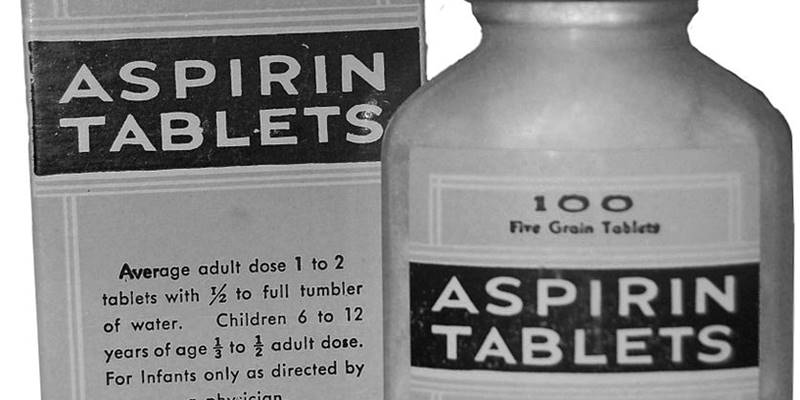
Image: CC/Wiki/Tagarcia3

©2015 2 Minute Medicine, Inc. All rights reserved. No works may be reproduced without expressed written consent from 2 Minute Medicine, Inc. Inquire about licensing here. No article should be construed as medical advice and is not intended as such by the authors or by 2 Minute Medicine, Inc.


Tags: aspirinpreeclampsia
Previous Post

Post-surgical wound complications more common in obese ovarian cancer patients

Next Post

Bivalirudin not linked to adverse cardiovascular events: The MATRIX program

RelatedReports

Prochlorperazine for migraine may lower likelihood of ED return
Chronic Disease

Antithrombotic agents may be effective in preventing migraine in patients with patent foramen ovale

August 7, 2026
Differences in sudden unexpected infant death rates reported between states
Cardiology

Adjunctive prednisolone does not reduce coronary artery lesions in Kawasaki disease

April 15, 2026
Nearly Half of All Pediatric Buprenorphine Exposures Result in Hospitalization
Cardiology

Clopidogrel monotherapy is superior to aspirin for secondary prevention in coronary artery disease

October 30, 2025
Stent type may not be related to adverse cardiac events after surgery
Cardiology

De-escalating dual antiplatelet therapy may lower major bleeding risk following drug-eluting stent implantation

August 29, 2026
Next Post
2 Minute Medicine Rewind November 3 – November 9, 2014

Bivalirudin not linked to adverse cardiovascular events: The MATRIX program

AAP supports mandatory influenza vaccination of health care providers

AAP supports mandatory influenza vaccination of health care providers

High schoolers use e-cigarettes to vaporize cannabis

EvidencePulse™ by 2 Minute Medicine 2026 evidence scan 3 reports You asked top stroke trials 2026 Synthesizing medical evidence... Top 2026 stroke trial results: OCEANIC — ischemic stroke: 6.2% vs 8.4% OPTION* — mRS 0–1: 43.6% vs 34.2% ORIENTAL* — mRS 0–2: 58.6% vs 46.6% *Higher sICH in intervention arms Participants randomizedN OCEANIC 12,327 OPTION 570 ORIENTAL 564 Ask about guidelines or landmark trials... ↑ Try EvidencePulse™ Ask the evidence.
Get the signal.
Try it now → Physician-trained medical AI by 2 Minute Medicine

2MM+ All Access

Full details →
$4.99 /month

5-day free trial · cancel anytime

  • ✓100+ physician-written reports
  • ✓EvidencePulse™ + HypeCheck™
  • ✓Ad-free reading + newsletters
Start 5-day free trial

Then $4.99/month. Manage renewal in your account.

2 Minute Medicine® is an award winning, physician-run, expert medical media company. Our content is curated, written and edited by practicing health professionals who have clinical and scientific expertise in their field of reporting. Our editorial management team is comprised of highly-trained MD physicians. Join numerous brands, companies, and hospitals who trust our licensed content.

Recent Reports

  • Transanastomotic tubes not linked to anastomotic stricture after esophageal atresia repair
  • Artificial intelligence (AI) chatbot reduced depression, anxiety, and eating disorder risk symptoms
  • Real-time AI guidance enters live brain tumor surgery
License Content
Terms of Use | Disclaimer
Cookie Policy
Cleantalk Pixel
2MM+ All Access Full details →

The medical literature, distilled daily.

Monthly plan selected: $4.99 /month.

$4.99/month

5-day free trial · cancel anytime

Start 5-day free trial

Then $4.99/month. Manage renewal in your account.

Yearly plan selected: $49.90 /year.

$49.90/year

2 months free · only $4.16/month

Start 5-day free trial

Then $49.90/year. Manage renewal in your account.

Membership benefits

  • ✓100+ physician-written reports
  • ✓AI EvidencePulse™ + HypeCheck™
  • ✓Ad-free reading + newsletters

Already a member? Sign in

  • About
  • Specialties
    • All Specialties, All Recent Reports
    • Cardiology
    • Chronic Disease
    • Dermatology
    • Emergency
    • Endocrinology
    • Gastroenterology
    • Imaging and Intervention
    • Infectious Disease
    • Nephrology
    • Neurology
    • Obstetrics
    • Oncology
    • Ophthalmology
    • Pediatrics
    • Pharma
    • Preclinical
    • Psychiatry
    • Public Health
    • Pulmonology
    • Rheumatology
    • Surgery
  • Tools
    • EvidencePulse™
    • HypeCheck™
    • NPI Registry Lookup
    • RVU Search
  • Pharma
  • AI Roundup
  • The Scan
  • Classics™
    • 2MM+ Online Access
    • Paperback and Ebook
  • Rewinds
  • Partners
    • License Content
    • Submit Press Release
    • Advertise with Us
  • Account
    • Subscribe
    • My account
    • Cart
    • Sign-in
No Result
View All Result

© 2026 2 Minute Medicine, Inc. - Physician-written medical news.