• About
  • Masthead
  • License Content
  • Advertise
  • Submit Press Release
  • RSS/Email List
  • 2MM Podcast
  • Write for us
  • Contact Us
2 Minute Medicine
No Result
View All Result

No products in the cart.

SUBSCRIBE
  • Specialties
    • All Specialties, All Recent Reports
    • Cardiology
    • Chronic Disease
    • Dermatology
    • Emergency
    • Endocrinology
    • Gastroenterology
    • Imaging and Intervention
    • Infectious Disease
    • Nephrology
    • Neurology
    • Obstetrics
    • Oncology
    • Ophthalmology
    • Pediatrics
    • Pharma
    • Preclinical
    • Psychiatry
    • Public Health
    • Pulmonology
    • Rheumatology
    • Surgery
  • Tools
    • EvidencePulse™
    • RVU Search
    • NPI Registry Lookup
  • Pharma
  • AI News
  • The Scan+
  • Classics™+
    • 2MM+ Online Access
    • Paperback and Ebook
  • Rewinds
  • Partners
    • License Content
    • Submit Press Release
    • Advertise with Us
  • Account
    • Subscribe
    • Sign-in
    • My account
2 Minute Medicine
  • Specialties
    • All Specialties, All Recent Reports
    • Cardiology
    • Chronic Disease
    • Dermatology
    • Emergency
    • Endocrinology
    • Gastroenterology
    • Imaging and Intervention
    • Infectious Disease
    • Nephrology
    • Neurology
    • Obstetrics
    • Oncology
    • Ophthalmology
    • Pediatrics
    • Pharma
    • Preclinical
    • Psychiatry
    • Public Health
    • Pulmonology
    • Rheumatology
    • Surgery
  • Tools
    • EvidencePulse™
    • RVU Search
    • NPI Registry Lookup
  • Pharma
  • AI News
  • The Scan+
  • Classics™+
    • 2MM+ Online Access
    • Paperback and Ebook
  • Rewinds
  • Partners
    • License Content
    • Submit Press Release
    • Advertise with Us
  • Account
    • Subscribe
    • Sign-in
    • My account
SUBSCRIBE
2 Minute Medicine
Subscribe
Home All Specialties Chronic Disease

Breast ultrasound screening model reveals increased costs for small benefits
byMoises GallegosandSai Folmsbee
December 9, 2014
in Chronic Disease, Imaging and Intervention, Obstetrics, Oncology
Reading Time: 2 mins read
0
Share on FacebookShare on Twitter

1. Microsimulation models demonstrated limited health benefits of supplemental ultrasonography for women with dense breasts and substantial increases in cost.

Evidence Rating Level: 2 (Good)

Study Rundown: Increased breast density is a risk factor for breast cancer, but its integration into screening remains challenging. An increasing number of states are enacting laws requiring patient education about breast density and consideration of additional screening for women with dense breasts and a negative mammogram. One such supplement to screening is ultrasonography, which is a widely available and relatively low-cost adjunct screening modality. The current study evaluated the benefits, harms, and cost-effectiveness of supplemental screening ultrasonography for women with dense breasts. Using established breast cancer models, the addition of ultrasonography as a screening method resulted in only marginal improvements in preventing breast cancer deaths, with very high healthcare costs. Even considering annual or biennual mammograms, as well as extremely or heterogeneously dense breasts, ultrasonographic screening was highly cost-ineffective. A significant limitation to this model is the relative lack of evidence better establishing sensitivity and specificity of supplemental ultrasonography. Additionally, the cost of supplemental ultrasonography was estimated using related diagnostic costs since no reimbursement rates currently exist. However, overall, this model shows that supplemental ultrasonographic screening will likely not be a cost-effective measure.

Click to read the study today in the Annals of Internal Medicine

Relevant Reading: American College of Radiology Statement on Reporting Breast Density in Mammography Reports and Patient Summaries

In-Depth [microsimulation model]: The study used 3 microsimulation models developed as part of the National Cancer Institute-funded Cancer Intervention and Surveillance modeling Network consortium. The authors identified a single American College of Radiology study of ultrasonography among women with at least 1 breast cancer risk factor to determine a screening ultrasound sensitivity of 55% and 94% specificity. Models assumed 100% adherence and included short-term reductions in quality of life (0.6% for 1 week per screening examination) or positive result (10.5% or 5 weeks). Using this model, the authors predicted that in a lifetime, supplemental ultrasonography would result in 504 exams per 1000 women aged 50-74 with biennial mammography, and 3827 per 1000 women aged 40-74 years and annual mammography. Compared with biennial mammography for women 50-74, supplemental ultrasonography for women with extremely dense breasts avoided 0.30 additional breast cancer deaths and produced 1.1 additional Quality Adjusted Life Years (QALYs) at a cost effectiveness ratio of $246,000/QALY per 1000 women. When expanded to heterogeneously or extremely dense breasts, the models predicted 0.36 additional deaths avoided, 1.7 additional QALYs gained, and a cost-effectiveness ratio of $325,000/QALY per 1000 women. When considering annual mammography for women age 40-74, supplemental ultrasonography for women with heterogeneously or extremely dense breasts resulted in 0.43 additional deaths avoided and 3.0 additional QALYs at a cost-effectiveness ratio of $728,000/QALY.

RELATED REPORTS

An ultrasound test may more reliably detect ovarian cancer in premenopausal women than the Risk of Malignancy Index

Artificial intelligence (AI) may reduce cognitive load for sonographers in fetal ultrasound scans without affecting diagnostic performance

What Is the Cricothyroid Membrane and Why It Matters in Medicine

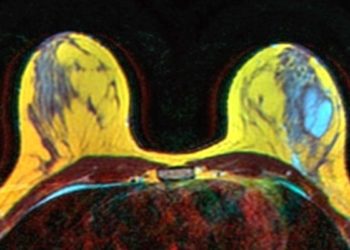
Image: CC/Wiki

©2014 2 Minute Medicine, Inc. All rights reserved. No works may be reproduced without expressed written consent from 2 Minute Medicine, Inc. No article should be construed as medical advice and is not intended as such by the authors, editors, staff or by 2 Minute Medicine, Inc.


Tags: breast cancer screeningultrasound
Previous Post

2 Minute Medicine Rewind December 1 – December 7, 2014

Next Post

Tramadol use linked with increased risk of hypoglycemia hospitalizations

RelatedReports

Assessment of Combined Nivolumab and Bevacizumab in Relapsed Ovarian Cancer: A Phase 2 Clinical Trial
Chronic Disease

An ultrasound test may more reliably detect ovarian cancer in premenopausal women than the Risk of Malignancy Index

February 6, 2026
Paternal factors associated with short interpregnancy interval
2 Minute Medicine

Artificial intelligence (AI) may reduce cognitive load for sonographers in fetal ultrasound scans without affecting diagnostic performance

October 22, 2025
Patient Basics: Graves’ Disease
Career Development

What Is the Cricothyroid Membrane and Why It Matters in Medicine

September 17, 2025
Patient Basics: Ultrasound
2 Minute Medicine

Artificial intelligence-guided ultrasound lacks sufficient accuracy for deep vein thrombosis detection

August 22, 2025
Next Post
Tramadol use linked with increased risk of hypoglycemia hospitalizations

Tramadol use linked with increased risk of hypoglycemia hospitalizations

Classics Series, Landmark Trials in Medicine

Nurses’ Health Study: Estrogen associated with lower cardiovascular disease risk [Classics Series]

Price transparency leads to lower claims payments by patients and insurers

No change in health or education outcomes following implementation of duty-hour restrictions

2 Minute Medicine® is an award winning, physician-run, expert medical media company. Our content is curated, written and edited by practicing health professionals who have clinical and scientific expertise in their field of reporting. Our editorial management team is comprised of highly-trained MD physicians. Join numerous brands, companies, and hospitals who trust our licensed content.

Recent Reports

  • 150 minutes of moderate-to-vigorous physical activity per week may reduce cardiovascular risk in overweight or obese adults
  • 2 Minute Medicine: Pharma Roundup – Merck and Mayo Clinic’s AI precision medicine lab, Novartis’ remibrutinib hits Phase III hive endpoint, FDA grants priority review for iberdomide in myeloma, oral infigratinib boosts growth velocity in achondroplasia, and shingles vaccine/sildenafil linked to lower Alzheimer’s risk [February 2026]
  • Virtual reality rehabilitation is safe and feasible for upper extremity recovery after subacute ischemic stroke
License Content
Terms of Use | Disclaimer
Cookie Policy
Privacy Statement (EU)
Disclaimer

© 2025 2 Minute Medicine, Inc. - Physician-written medical news.

  • Specialties
    • All Specialties, All Recent Reports
    • Cardiology
    • Chronic Disease
    • Dermatology
    • Emergency
    • Endocrinology
    • Gastroenterology
    • Imaging and Intervention
    • Infectious Disease
    • Nephrology
    • Neurology
    • Obstetrics
    • Oncology
    • Ophthalmology
    • Pediatrics
    • Pharma
    • Preclinical
    • Psychiatry
    • Public Health
    • Pulmonology
    • Rheumatology
    • Surgery
  • Tools
    • EvidencePulse™
    • RVU Search
    • NPI Registry Lookup
  • Pharma
  • AI News
  • The Scan
  • Classics™
    • 2MM+ Online Access
    • Paperback and Ebook
  • Rewinds
  • Partners
    • License Content
    • Submit Press Release
    • Advertise with Us
  • Account
    • Subscribe
    • Sign-in
    • My account
No Result
View All Result

© 2025 2 Minute Medicine, Inc. - Physician-written medical news.