
• About
  • Masthead
  • License Content
  • Advertise
  • Press Releases
  • Newsroom
  • RSS/Email List
  • 2MM Podcast
  • Write for us
  • Contact Us
2 Minute Medicine
No Result
View All Result

No products in the cart.

Sign in
SUBSCRIBE
  • About
  • Specialties
    • All Specialties, All Recent Reports
    • Cardiology
    • Chronic Disease
    • Dermatology
    • Emergency
    • Endocrinology
    • Gastroenterology
    • Imaging and Intervention
    • Infectious Disease
    • Nephrology
    • Neurology
    • Obstetrics
    • Oncology
    • Ophthalmology
    • Pediatrics
    • Pharma
    • Preclinical
    • Psychiatry
    • Public Health
    • Pulmonology
    • Rheumatology
    • Surgery
    • Rewinds
    • The Scan
  • EvidencePulse™
  • HypeCheck™
  • AI News
  • Classics™
    • 2MM+ Online Access
    • Paperback and Ebook
  • Tools
    • NPI Registry Lookup
    • RVU Search
  • Partners
    • License Content
    • Advertise with Us
2 Minute Medicine
  • About
  • Specialties
    • All Specialties, All Recent Reports
    • Cardiology
    • Chronic Disease
    • Dermatology
    • Emergency
    • Endocrinology
    • Gastroenterology
    • Imaging and Intervention
    • Infectious Disease
    • Nephrology
    • Neurology
    • Obstetrics
    • Oncology
    • Ophthalmology
    • Pediatrics
    • Pharma
    • Preclinical
    • Psychiatry
    • Public Health
    • Pulmonology
    • Rheumatology
    • Surgery
    • Rewinds
    • The Scan
  • EvidencePulse™
  • HypeCheck™
  • AI News
  • Classics™
    • 2MM+ Online Access
    • Paperback and Ebook
  • Tools
    • NPI Registry Lookup
    • RVU Search
  • Partners
    • License Content
    • Advertise with Us
Sign in
SUBSCRIBE
2 Minute Medicine
Sign in
Subscribe
2 Minute MedicineFree on Google PlayGet
✦ EvidencePulse™ by 2 Minute Medicine 2026 evidence scan 3 reports You asked top stroke trials 2026 Synthesizing medical evidence... Top 2026 stroke trial results: OCEANIC — ischemic stroke: 6.2% vs 8.4% OPTION* — mRS 0–1: 43.6% vs 34.2% ORIENTAL* — mRS 0–2: 58.6% vs 46.6% *Higher sICH in intervention arms Participants randomizedN OCEANIC 12,327 OPTION 570 ORIENTAL 564 Ask about guidelines or landmark trials... ↑ Try EvidencePulse™ Ask the evidence.
Get the signal.
Try it now → Physician-trained medical AI by 2 Minute Medicine
Home All Specialties Chronic Disease

Duodenal microbiota linked with environmental enteric dysfunction

byHarsh ShahandDeepti Shroff
July 23, 2020
in Chronic Disease, Gastroenterology, Pediatrics
Reading Time: 3 mins read
Duodenal microbiota linked with environmental enteric dysfunction
Share on FacebookShare on TwitterShare on LinkedIn

1. The microbiota in the duodenum and the pathological characteristics of environmental enteric dysfunction (EED) that are associated with growth stunting were shown to have a causal relationship.

2. Plasma proteins correlating with duodenal proteome features and duodenal bacterial taxa were shown to represent candidate EED biomarkers.

Evidence Rating Level: 1 (Excellent)

Study Rundown: Environmental enteric dysfunction (EED) is a small intestinal disease associated with growth stunting. The histopathological changes of EED includes a reduction in the number and height of intestinal villi, epithelial barrier disruption, and a chronic inflammatory infiltrate. Understanding the causative factors contributing to EED can provide information on the potential relationship between EED and growth stunting. As such, this study examined the role of the duodenal microbiota in EED pathogenesis and the relationship of the disease on growth stunting. The results demonstrated a causal relationship between EED pathogenesis and growth stunting by studying the duodenal microbiota. This study was limited by absence of duodenal microbiota information from healthy children. Without the information from healthy children, conclusions regarding differences between EED-infected children and healthy children cannot be determined from the study.  Nonetheless, this study was strengthened by the validation of the causal relationship between bacteria from the duodenums of EED-infected children and enteropathy in a mouse model.

Click to read the study, published today in NEJM

Relevant Reading: Use of quantitative molecular diagnostic methods to investigate the effect of enteropathogen infections on linear growth in children in low-resource settings: longitudinal analysis of results from the MAL-ED cohort study.

RELATED REPORTS

Microbiota-directed food intervention showed benefits for undernourished children

2 Minute Medicine Rewind

In-Depth [prospective cohort]: This prospective cohort study enrolled 525 patients through the Bangladesh Environmental Enteric Dysfunction (BEED) study and followed the participants for three months. Participants were included if they met criteria for growth stunting or being at risk for growth stunting. Participants that were within one standard deviation below a length-for-age z score reference from the World Health Organization were excluded from the study. All of the participants were administered a nutritional intervention. From this cohort, the participants that did not respond to the nutritional intervention underwent the esophagogastroduodenoscopy (EGD) procedure to collect plasma, fecal samples, duodenal aspirates, and duodenal biopsy samples. The samples were used for proteomic assays, enteropathogen detection, and gnotobiotic mice studies. After the nutritional intervention, 110 children (mean [±SD] age, 18±2 months) did not respond to the intervention and underwent the EGD procedure. The plasma proteomes from the 110 children revealed the protein levels of insulin-like growth factor 1 (IGF-1), IGF binding protein 2 (IGFBP-3), and procollagen C endopeptidase enhancer 2 (PCOLCE2) were positively correlated with length-for-age z score. Furthermore, 80% (n, 28) of the obtained aspirates contained bacteria from 14 different taxa. There were significantly elevated levels of veillonella species, the bacterium most positively correlated with proteins involved in duodenal inflammation, in the fecal samples of the participants with EED compared to healthy children (P=0.001; Q=0.01). Finally, the mice studies found duodenums with an inflammatory infiltrate in the lamina propria, disruption of epithelial cells, and crypt elongation. Taken together, a causal relationship existed between the duodenal microbiota and EED pathogenesis causing growth stunting.

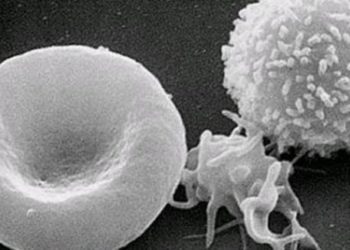
Image: PD

©2020 2 Minute Medicine, Inc. All rights reserved. No works may be reproduced without expressed written consent from 2 Minute Medicine, Inc. Inquire about licensing here. No article should be construed as medical advice and is not intended as such by the authors or by 2 Minute Medicine, Inc.

Tags: duodenumenvironmental enteric dysfunction (EED)lamina propriamicrobiotaveillonella
Previous Post

Novel estrogen-free oral contraceptive shown to decrease unscheduled menstrual bleeding

Next Post

Vitamin D supplementation not associated with lower risk of tuberculosis in school-age children

RelatedReports

Improved glycemic control in type 1 diabetics on very low-carbohydrate diets
Gastroenterology

Microbiota-directed food intervention showed benefits for undernourished children

April 27, 2021
2 Minute Medicine Rewind
Cardiology

2 Minute Medicine Rewind

June 22, 2013
Next Post
Quick Take: Discovery and validation of a prognostic proteomic signature for tuberculosis progression

Vitamin D supplementation not associated with lower risk of tuberculosis in school-age children

Hydroxychloroquine not beneficial for early, mild COVID-19

Hydroxychloroquine not beneficial for early, mild COVID-19

Death, discharge and arrhythmias among patients with COVID-19 and cardiac injury

✦ EvidencePulse™ by 2 Minute Medicine 2026 evidence scan 3 reports You asked top stroke trials 2026 Synthesizing medical evidence... Top 2026 stroke trial results: OCEANIC — ischemic stroke: 6.2% vs 8.4% OPTION* — mRS 0–1: 43.6% vs 34.2% ORIENTAL* — mRS 0–2: 58.6% vs 46.6% *Higher sICH in intervention arms Participants randomizedN OCEANIC 12,327 OPTION 570 ORIENTAL 564 Ask about guidelines or landmark trials... Try EvidencePulse™ Get the signal. Try it now → Physician-trained medical AI by 2 Minute Medicine

2MM+ All Access

Full details →
$4.99 /month

3-day free trial · cancel anytime

  • ✓100+ physician-written reports
  • ✓EvidencePulse™ + HypeCheck™
  • ✓Ad-free reading + newsletters
Start 3-day free trial

Then $4.99/month. Manage renewal in your account.

NPI Lookup · Free

Look up any US clinician

Search by name or NPI number, live from the CMS NPI Registry.

  • OIG exclusion check
  • Licenses and specialties
  • No account needed
Open NPI Lookup →

2 Minute Medicine® is an award winning, physician-run, expert medical media company. Our content is curated, written and edited by practicing health professionals who have clinical and scientific expertise in their field of reporting. Our editorial management team is comprised of highly-trained MD physicians. Join numerous brands, companies, and hospitals who trust our licensed content.

Recent Reports

  • An electronic health record tool for exercise prescription may reduce fall rate among older adults
  • Optogenetic therapy may partially restore vision in retinitis pigmentosa
  • An artificial intelligence system for human papillomavirus-positive dual stain cervical cancer screening reads p16-Ki67 slides
License Content
Terms of Use | Disclaimer
Cookie Policy

Get the app

Read 2 Minute Medicine on iPhone, iPad and Android.

Download on the App StoreGet it on Google Play
QR code for www.2minutemedicine.com/app
On a computer? Scan this with your phone’s camera.
2MM+ All Access Full details →

The medical literature, distilled daily.

Monthly plan selected: $4.99 /month.

$4.99/month

3-day free trial · cancel anytime

Start 3-day free trial

Then $4.99/month. Manage renewal in your account.

Yearly plan selected: $49.90 /year.

$49.90/year

2 months free

Start 3-day free trial

Then $49.90/year.

Membership benefits

  • ✓100+ physician-written reports
  • ✓AI EvidencePulse™ + HypeCheck™
  • ✓Ad-free reading + newsletters
  • ✓NPI watchlist + bulk NPI verification

Already a member? Sign in

  • Get the app
  • About
  • Specialties
    • All Specialties, All Recent Reports
    • Cardiology
    • Chronic Disease
    • Dermatology
    • Emergency
    • Endocrinology
    • Gastroenterology
    • Imaging and Intervention
    • Infectious Disease
    • Nephrology
    • Neurology
    • Obstetrics
    • Oncology
    • Ophthalmology
    • Pediatrics
    • Pharma
    • Preclinical
    • Psychiatry
    • Public Health
    • Pulmonology
    • Rheumatology
    • Surgery
    • Rewinds
    • The Scan
  • EvidencePulse™
  • HypeCheck™
  • AI News
  • Classics™
    • 2MM+ Online Access
    • Paperback and Ebook
  • Tools
    • NPI Registry Lookup
    • RVU Search
  • Partners
    • License Content
    • Advertise with Us
No Result
View All Result

© 2026 2 Minute Medicine, Inc. - Physician-written medical news.


