• About
  • Masthead
  • License Content
  • Advertise
  • Submit Press Release
  • RSS/Email List
  • 2MM Podcast
  • Write for us
  • Contact Us
2 Minute Medicine
No Result
View All Result

No products in the cart.

SUBSCRIBE
  • Specialties
    • All Specialties, All Recent Reports
    • Cardiology
    • Chronic Disease
    • Dermatology
    • Emergency
    • Endocrinology
    • Gastroenterology
    • Imaging and Intervention
    • Infectious Disease
    • Nephrology
    • Neurology
    • Obstetrics
    • Oncology
    • Ophthalmology
    • Pediatrics
    • Pharma
    • Preclinical
    • Psychiatry
    • Public Health
    • Pulmonology
    • Rheumatology
    • Surgery
  • Tools
    • EvidencePulse™
    • RVU Search
    • NPI Registry Lookup
  • Pharma
  • AI News
  • The Scan+
  • Classics™+
    • 2MM+ Online Access
    • Paperback and Ebook
  • Rewinds
  • Partners
    • License Content
    • Submit Press Release
    • Advertise with Us
  • Account
    • Subscribe
    • Sign-in
    • My account
2 Minute Medicine
  • Specialties
    • All Specialties, All Recent Reports
    • Cardiology
    • Chronic Disease
    • Dermatology
    • Emergency
    • Endocrinology
    • Gastroenterology
    • Imaging and Intervention
    • Infectious Disease
    • Nephrology
    • Neurology
    • Obstetrics
    • Oncology
    • Ophthalmology
    • Pediatrics
    • Pharma
    • Preclinical
    • Psychiatry
    • Public Health
    • Pulmonology
    • Rheumatology
    • Surgery
  • Tools
    • EvidencePulse™
    • RVU Search
    • NPI Registry Lookup
  • Pharma
  • AI News
  • The Scan+
  • Classics™+
    • 2MM+ Online Access
    • Paperback and Ebook
  • Rewinds
  • Partners
    • License Content
    • Submit Press Release
    • Advertise with Us
  • Account
    • Subscribe
    • Sign-in
    • My account
SUBSCRIBE
2 Minute Medicine
Subscribe
Home All Specialties Chronic Disease

First-line use of contact aspiration not superior to stent retriever for acute ischemic stroke
byAdarsh ManjunathandMichael Milligan
August 4, 2017
in Chronic Disease
Reading Time: 2 mins read
0
Share on FacebookShare on Twitter

1. In patients presenting with acute ischemic stroke, first-line use of contact aspiration was not found to result in an increased successful revascularization rate compared to first line use of a stent retriever.

2. The degree of disability post-procedure and the procedure-related serious adverse events did not differ significantly.

Evidence Rating Level: 1 (Excellent)

Study Rundown: For patients with acute ischemic stroke, recent studies demonstrated the superiority of mechanical thrombectomy over standard medical management alone. Thus, increasing studies have looked at different methods of thrombectomy. Contact aspiration has gained popularity because it is thought to result in quicker revascularization at a lower cost, but others argue it may delay revascularization if the more thorough stent retriever technique is ultimately necessary. The purpose of this study was to evaluate whether first-line contact aspiration resulted in an increased successful revascularization rate compared to first line use of a stent retriever. In 381 patients with acute ischemic stroke who were randomized to first line contact aspiration or first line stent retriever in 8 stroke centers in France from 2015-2016, 85.4% in the contact aspiration group were successfully revascularized vs. 83.1% in the stent retriever group. This was not statistically significant. There were also no significant differences in adverse events.

Overall, this study suggests that first line contact aspiration did not result in an increased successful revascularization rate compared with first line stent retriever use. However, this study had a superiority design in order to detect a 15% difference, and so was not powered to detect a smaller but possibly important difference between groups. Finally, the centers where these procedures took place were all highly experienced and so the results may not be generalizable to all centers.

Click to read the study, published in JAMA

RELATED REPORTS

Functional recovery after maternal ischemic stroke may be commonly favourable

2 Minute Medicine Rewind January 26, 2026

Edaravone dexborneol improves functional independence in patients with acute ischaemic stroke following endovascular thrombectomy

Relevant Reading: Endovascular thrombectomy after large-vessel ischemic stroke: a meta-analysis of individual patient data from five randomized trials

In-Depth [randomized controlled trial]: This study included 381 patients who presented with acute ischemic stroke and large vessel occlusion in the anterior circulation within 6 hours of symptom onset. Patients were randomized to first line contact aspiration or first line stent retriever immediately prior to mechanical thrombectomy at 8 comprehensive stroke centers in France from 2015-2016. Mean time from symptom onset to arterial puncture was 227 minutes (interquartile range 180-280 minutes). The primary outcome was the proportion of patients with successful revascularization defined as a modified Thrombolysis in Cerebral Infraction score of 2b or 3. A total of 85.4% in the contact aspiration group were successfully revascularized vs. 83.1% in the stent retriever group (OR 1.2 [CI95% 0.68-2.1], p = 0.53; difference 2.4% [CI95% -5.4% to 9.7%]). Secondary outcomes were degree of disability as assessed by the modified Rankin scale score at 90 days, change in National Institutes of Health Stroke Scale score at 24 hours, all-cause mortality at 90-days, and procedure-related serious adverse events. No secondary outcomes were statistically significant between groups.

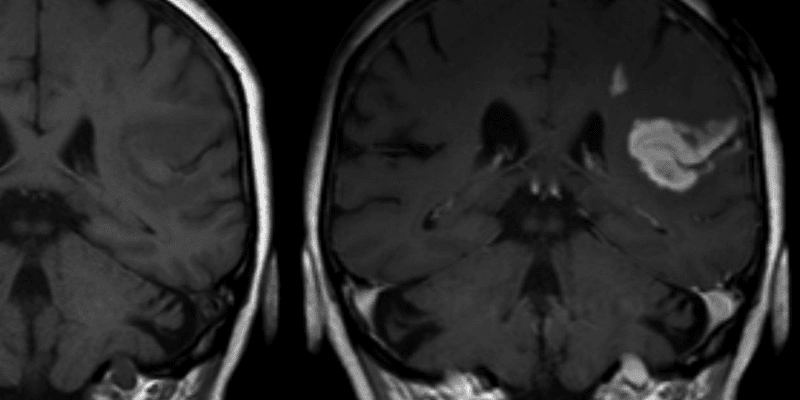
Image: CC/Wiki

©2017 2 Minute Medicine, Inc. All rights reserved. No works may be reproduced without expressed written consent from 2 Minute Medicine, Inc. Inquire about licensing here. No article should be construed as medical advice and is not intended as such by the authors or by 2 Minute Medicine, Inc.
Tags: endovascular thrombectomyischemic stroke
Previous Post

Despite adverse events, corticosteroids may benefit patients with IgA nephropathy

Next Post

Features predicting treatment failure in acute otitis media

RelatedReports

Non-alcoholic fatty liver disease and risk of incident acute myocardial infarction and stroke: findings from matched cohort study of 18 million European adults
Neurology

Functional recovery after maternal ischemic stroke may be commonly favourable

January 26, 2026
Many new pediatric asthma cases attributable to obesity
Weekly Rewinds

2 Minute Medicine Rewind January 26, 2026

January 26, 2026
Imaging and Intervention

Edaravone dexborneol improves functional independence in patients with acute ischaemic stroke following endovascular thrombectomy

January 15, 2026
Contrast-enhanced computed tomography associated with high sensitivity to renal stone detection
Weekly Rewinds

2 Minute Medicine Rewind January 12th, 2026

January 13, 2026
Next Post
Features predicting treatment failure in acute otitis media

Features predicting treatment failure in acute otitis media

Variability in interpretation of breast biopsy slides associated with low verification of atypia and ductal carcinoma in situ

2 Minute Medicine Rewind August 7, 2017

American Academy of Pediatrics recommends standards for adverse event disclosures

Expansion of medical home program to Medicare patients not linked with improved quality or cost-reduction

2 Minute Medicine® is an award winning, physician-run, expert medical media company. Our content is curated, written and edited by practicing health professionals who have clinical and scientific expertise in their field of reporting. Our editorial management team is comprised of highly-trained MD physicians. Join numerous brands, companies, and hospitals who trust our licensed content.

Recent Reports

  • The incidence of psychotic disorders has increased in more recent birth cohorts
  • 2 Minute Medicine Rewind February 9, 2026
  • An ultrasound test may more reliably detect ovarian cancer in premenopausal women than the Risk of Malignancy Index
License Content
Terms of Use | Disclaimer
Cookie Policy
Privacy Statement (EU)
Disclaimer

© 2025 2 Minute Medicine, Inc. - Physician-written medical news.

  • Specialties
    • All Specialties, All Recent Reports
    • Cardiology
    • Chronic Disease
    • Dermatology
    • Emergency
    • Endocrinology
    • Gastroenterology
    • Imaging and Intervention
    • Infectious Disease
    • Nephrology
    • Neurology
    • Obstetrics
    • Oncology
    • Ophthalmology
    • Pediatrics
    • Pharma
    • Preclinical
    • Psychiatry
    • Public Health
    • Pulmonology
    • Rheumatology
    • Surgery
  • Tools
    • EvidencePulse™
    • RVU Search
    • NPI Registry Lookup
  • Pharma
  • AI News
  • The Scan
  • Classics™
    • 2MM+ Online Access
    • Paperback and Ebook
  • Rewinds
  • Partners
    • License Content
    • Submit Press Release
    • Advertise with Us
  • Account
    • Subscribe
    • Sign-in
    • My account
No Result
View All Result

© 2025 2 Minute Medicine, Inc. - Physician-written medical news.