



• About
  • Masthead
  • License Content
  • Advertise
  • Submit Press Release
  • RSS/Email List
  • 2MM Podcast
  • Write for us
  • Contact Us
2 Minute Medicine
No Result
View All Result

No products in the cart.

SUBSCRIBE
  • Specialties
    • All Specialties, All Recent Reports
    • Cardiology
    • Chronic Disease
    • Dermatology
    • Emergency
    • Endocrinology
    • Gastroenterology
    • Imaging and Intervention
    • Infectious Disease
    • Nephrology
    • Neurology
    • Obstetrics
    • Oncology
    • Ophthalmology
    • Pediatrics
    • Pharma
    • Preclinical
    • Psychiatry
    • Public Health
    • Pulmonology
    • Rheumatology
    • Surgery
  • Tools
    • EvidencePulse™
    • RVU Search
    • NPI Registry Lookup
  • Pharma
  • AI News
  • The Scan+
  • Classics™+
    • 2MM+ Online Access
    • Paperback and Ebook
  • Rewinds
  • Partners
    • License Content
    • Submit Press Release
    • Advertise with Us
  • Account
    • Subscribe
    • Sign-in
    • My account
2 Minute Medicine
  • Specialties
    • All Specialties, All Recent Reports
    • Cardiology
    • Chronic Disease
    • Dermatology
    • Emergency
    • Endocrinology
    • Gastroenterology
    • Imaging and Intervention
    • Infectious Disease
    • Nephrology
    • Neurology
    • Obstetrics
    • Oncology
    • Ophthalmology
    • Pediatrics
    • Pharma
    • Preclinical
    • Psychiatry
    • Public Health
    • Pulmonology
    • Rheumatology
    • Surgery
  • Tools
    • EvidencePulse™
    • RVU Search
    • NPI Registry Lookup
  • Pharma
  • AI News
  • The Scan+
  • Classics™+
    • 2MM+ Online Access
    • Paperback and Ebook
  • Rewinds
  • Partners
    • License Content
    • Submit Press Release
    • Advertise with Us
  • Account
    • Subscribe
    • Sign-in
    • My account
SUBSCRIBE
2 Minute Medicine
Subscribe
Home All Specialties Infectious Disease

GeoSentinel analysis of clinical manifestations and complications related to Zika virus disease

byQasim HussainiandDeepti Shroff
November 22, 2016
in Infectious Disease, Obstetrics, Public Health
Reading Time: 3 mins read
0
Share on FacebookShare on Twitter

1. Exanthema, fever, and arthralgia comprise the most common symptoms of Zika virus disease.

2. Considerable risk for major complications exists with first trimester transmission of Zika virus to pregnant women

Evidence Rating Level: 2 (Good)

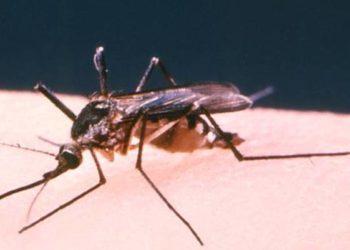
Study Rundown: Transmitted primarily by Aedes mosquitos, Zika virus disease has continued to spread geographically throughout Latin America and the Caribbean. Identified initially in Brazil in 2015, our understanding of the disease has gradually improved to include possible signs and symptoms of early infection as well as diagnostic tests that may prove useful in early identification of the disease. In this descriptive study, data from the GeoSentinal Surveillance Network was utilized to gain a better understanding of the clinical manifestations and epidemiology of the Zika virus disease in a cohort of travelers exposed in South America, Central America, and the Caribbean through February 2016. Overall, 93 cases of Zika virus disease were reported. Most common symptoms included exanthema (88%), fever (76%), and arthralgia (72%). Majority of the cases were exposed in South America (59%) and diagnosed in Europe (71%). Pregnancy complications were observed with transmission of disease in the first trimester in 3 of 4 pregnant patients in the study. Two confirmed cases of the disease were complicated by GBS, and another by immune-mediated thrombocytopenia. Higher frequency of major complications including pregnancy-related complications and GBS may be attributed to a possible referral bias in the study.

Overall, the study informs our clinical understanding and provides an important characterization of the clinical manifestations of Zika virus disease. While the study utilizes a recent population cohort in its surveillance data, it may not be representative of all ill returned travelers that are affected by the virus. The study underscores the value of pre-travel advice in individuals planning international travel. Future studies may investigate the role of non-vector based transmission of the virus.

Click to read the study, published today in the Annals of Internal Medicine

RELATED REPORTS

Center of Disease Control layoffs raise alarm over surveillance and preparedness

New York confirms first locally acquired chikungunya case in six years

2 Minute Medicine Rewind January 28, 2019

Relevant Reading: Zika Virus

In-Depth [retrospective cohort]: Study data was obtained from GeoSentinel that houses a 63 specialized clinics in 30 countries around the world and contributes de-identified data on ill international travelers to a central database. Data was limited to patients with Zika virus disease acquired in South America, Central America, and the Caribbean that were evaluated between January 2013 and February 2016. Patient data including their symptoms, clinical course, previous medical history, and laboratory tests were obtained. Based on this data, patients were classified into confirmed, probable, or suspect case patients by 2 independent clinicians. Across the 102 patients obtained during the study period, 64 were confirmed, 13 probable, and 16 clinically suspect cases. Nine patients did not meet diagnostic criteria and were excluded. Sixty-two percent were female and the average age of the patient cohort was 41 years. Tourism (49%) was the most common reason for travel followed by visiting friends and relatives (39%). South America (59%) had the greatest exposure, with Suriname (22%) and Colombia (17%) making up the leading countries. Six days was the median onset to clinical presentation overall for all cases. The most common symptoms were as follows: examthema (88%), fever (76%), arthralgia (72%), headache (61%), myalgia (60%), fatigue (47%), conjunctivitis (40%), and pruritis (23%). With regard to polymerase chain reaction (PCR) testing, 72 of 93 patients were tested, and of these 57 were classified as confirmed cases based on the positive PCR results. Overall, 3 of 4 pregnant women had confirmed Zika during the first trimester and had pregnancy complications. One pregnant patient acquired the disease in the second trimester with a healthy child that was neurologically intact at 2 months. Two patients with confirmed disease had GBS. Median leukocyte count in patients with available hematological results was 5.6 x 10⁹ cells/L, median hemoglobin level was 133 g/L, and the median platelet count was 221 x 109 cells/L.

Image: PD

©2016 2 Minute Medicine, Inc. All rights reserved. No works may be reproduced without expressed written consent from 2 Minute Medicine, Inc. Inquire about licensing here. No article should be construed as medical advice and is not intended as such by the authors or by 2 Minute Medicine, Inc.

Tags: Zika
Previous Post

Long-term collaborative care and occupational therapy did not slow functional decline in patients with dementia

Next Post

2 Minute Medicine Rewind November 21, 2016

RelatedReports

Adding trained interventionists to primary care results in weight loss
The Scan by 2 Minute Medicine®

Center of Disease Control layoffs raise alarm over surveillance and preparedness

October 27, 2025
Intrauterine Zika virus infection associated with significant fetal brain abnormalities
The Scan by 2 Minute Medicine®

New York confirms first locally acquired chikungunya case in six years

October 24, 2025
2 Minute Medicine Rewind January 28, 2019
Weekly Rewinds

2 Minute Medicine Rewind January 28, 2019

February 1, 2019
Stochastic resonance stimulation may decrease apnea of prematurity
Chronic Disease

A Zika vaccine could virtually eliminate prenatal infections

April 11, 2018
Next Post
Severity of emphysema on pulmonary CT may predict lung cancer location

2 Minute Medicine Rewind November 21, 2016

Vitamin D supplementation amongst post-menopausal women did not improve functional outcomes

Thiazide diuretics associated with reduced fracture risk in hypertensive patients

Computed tomography improves diagnostic certainty in the emergency department

An analysis of emergency department visits for outpatient adverse drug events

2 Minute Medicine® is an award winning, physician-run, expert medical media company. Our content is curated, written and edited by practicing health professionals who have clinical and scientific expertise in their field of reporting. Our editorial management team is comprised of highly-trained MD physicians. Join numerous brands, companies, and hospitals who trust our licensed content.

Recent Reports

  • Functional recovery after maternal ischemic stroke may be commonly favourable
  • Faster correction of severe hyponatremia reduces death and neurologic events
  • Sustained participation in hospital-based intervention programs reduces future community violence
License Content
Terms of Use | Disclaimer
Cookie Policy
Privacy Statement (EU)
Disclaimer

© 2025 2 Minute Medicine, Inc. - Physician-written medical news.

  • Specialties
    • All Specialties, All Recent Reports
    • Cardiology
    • Chronic Disease
    • Dermatology
    • Emergency
    • Endocrinology
    • Gastroenterology
    • Imaging and Intervention
    • Infectious Disease
    • Nephrology
    • Neurology
    • Obstetrics
    • Oncology
    • Ophthalmology
    • Pediatrics
    • Pharma
    • Preclinical
    • Psychiatry
    • Public Health
    • Pulmonology
    • Rheumatology
    • Surgery
  • Tools
    • EvidencePulse™
    • RVU Search
    • NPI Registry Lookup
  • Pharma
  • AI News
  • The Scan
  • Classics™
    • 2MM+ Online Access
    • Paperback and Ebook
  • Rewinds
  • Partners
    • License Content
    • Submit Press Release
    • Advertise with Us
  • Account
    • Subscribe
    • Sign-in
    • My account
No Result
View All Result

© 2025 2 Minute Medicine, Inc. - Physician-written medical news.