• About
  • Masthead
  • License Content
  • Advertise
  • Submit Press Release
  • RSS/Email List
  • 2MM Podcast
  • Write for us
  • Contact Us
2 Minute Medicine
No Result
View All Result

No products in the cart.

SUBSCRIBE
  • About
  • Specialties
    • All Specialties, All Recent Reports
    • Cardiology
    • Chronic Disease
    • Dermatology
    • Emergency
    • Endocrinology
    • Gastroenterology
    • Imaging and Intervention
    • Infectious Disease
    • Nephrology
    • Neurology
    • Obstetrics
    • Oncology
    • Ophthalmology
    • Pediatrics
    • Pharma
    • Preclinical
    • Psychiatry
    • Public Health
    • Pulmonology
    • Rheumatology
    • Surgery
  • Tools+
    • EvidencePulse™
    • HypeCheck™
    • NPI Registry Lookup
    • RVU Search
  • Pharma
  • AI Roundup
  • The Scan+
  • Classics™+
    • 2MM+ Online Access
    • Paperback and Ebook
  • Rewinds
  • Partners
    • License Content
    • Submit Press Release
    • Advertise with Us
  • Account
    • Subscribe
    • My account
    • Cart
    • Sign-in
2 Minute Medicine
  • About
  • Specialties
    • All Specialties, All Recent Reports
    • Cardiology
    • Chronic Disease
    • Dermatology
    • Emergency
    • Endocrinology
    • Gastroenterology
    • Imaging and Intervention
    • Infectious Disease
    • Nephrology
    • Neurology
    • Obstetrics
    • Oncology
    • Ophthalmology
    • Pediatrics
    • Pharma
    • Preclinical
    • Psychiatry
    • Public Health
    • Pulmonology
    • Rheumatology
    • Surgery
  • Tools+
    • EvidencePulse™
    • HypeCheck™
    • NPI Registry Lookup
    • RVU Search
  • Pharma
  • AI Roundup
  • The Scan+
  • Classics™+
    • 2MM+ Online Access
    • Paperback and Ebook
  • Rewinds
  • Partners
    • License Content
    • Submit Press Release
    • Advertise with Us
  • Account
    • Subscribe
    • My account
    • Cart
    • Sign-in
SUBSCRIBE
2 Minute Medicine
Subscribe
EvidencePulse™ by 2 Minute Medicine 2026 evidence scan 3 reports You asked top stroke trials 2026 Synthesizing medical evidence... Top 2026 stroke trial results: OCEANIC — ischemic stroke: 6.2% vs 8.4% OPTION* — mRS 0–1: 43.6% vs 34.2% ORIENTAL* — mRS 0–2: 58.6% vs 46.6% *Higher sICH in intervention arms Participants randomizedN OCEANIC 12,327 OPTION 570 ORIENTAL 564 Ask about guidelines or landmark trials... ↑ Try EvidencePulse™ Ask the evidence.
Get the signal.
Try it now → Physician-trained medical AI by 2 Minute Medicine
Home All Specialties Gastroenterology

Hemorrhage during gastrectomy linked to increased cancer recurrence
bySarah StapletonandChaz Carrier
September 11, 2014
in Gastroenterology, Oncology, Surgery
Reading Time: 3 mins read
Equivalent efficacy of Paclitaxel or Irinotecan for advanced gastric cancer
Share on FacebookShare on Twitter

1. Greater hemorrhaging in patients undergoing gastrectomy for gastric cancer correlated with higher incidence of cancer recurrence in the patient peritoneum.

2. The risk of peritoneal recurrence additionally correlated to depth of the tumor, and was higher in female patients.

Evidence Rating Level: 3 (Average)

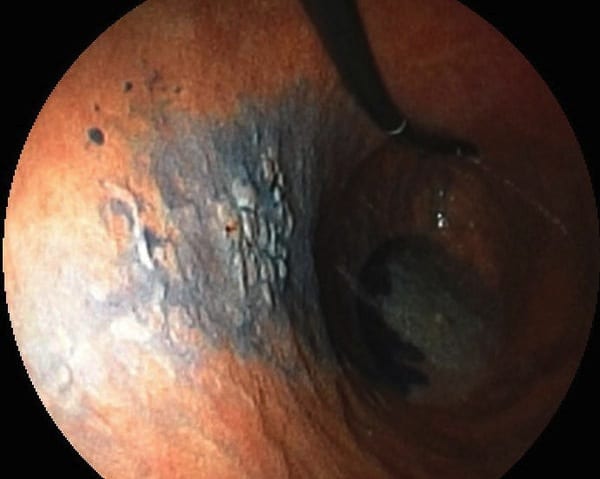
Study Rundown: Nearly 11,000 gastric cancer patients died in the US last year, and newly diagnosed patients have less than a 30% chance of survival over 5 years. Recurrence of the cancer often occurs after primary surgical removal of the cancerous stomach tissue, with metastatic recurrence often widespread and difficult to manage. Several studies have suggested aspects of the primary gastric surgery, including the amount of bleeding, may affect the incidence of recurrence. This current study investigated a potential link between the volume of patient hemorrhage during gastrectomy, and the incidence of tumor recurrence.

The authors found that gastric cancer patients who experienced greater hemorrhaging during gastrectomy demonstrated an increased risk for recurrence of the cancer in the peritoneum, the membrane that lines the abdominal cavity. Whether this association is causative is questionable, as the increased peritoneal recurrence was also, and more strongly, associated with depth of the original tumor. Thus, it is possible that removing the larger tumor drives increased hemorrhaging as well as increased recurrence. While an in vitro check of tumor cell adhesion suggested that exposure to blood plasma increases the adhesion of the tumor cells, it remains unclear if plasma exposure alone drives tumor recurrence. Interestingly, blood transfusions during the surgery had no effect on the recurrence, suggesting factors other than plasma exposure are likely at play. Despite the clear need for further studies, this work does explore the interesting question – can we investigate and adjust our surgical technique to reduce the rate of cancer recurrence?

Click to read the study in the Journal of Surgical Oncology

RELATED REPORTS

The rate of urethrocutaneous fistula following caudal and penile blocks for hypospadias repair may be similar

Adjuvant chemotherapy not linked to improved outcomes in localized appendiceal adenocarcinoma

Deep learning model improved cancer recurrence prediction for pediatric glioma using serial imaging

Relevant Reading: Recurrence After Curative Resection of Early Gastric Cancer

In-Depth [retrospective cohort]: This study examined the incidence of cancer recurrence in 540 gastric cancer patients following macroscopically curative gastrectomy. Patient, surgery, and disease characteristics were collected via patient records or follow up appointments. Such characteristics included patient sex, amount of hemorrhaging during surgery, and primary tumor stage and depth. Tumor recurrence events were largely confirmed by biopsy, though in some cases through radiological images or clinical examination.

Predictive factors for increased risk of peritoneal recurrence included the female sex, deeper tumor depth, and larger amount of hemorrhaging during gastrectomy (> 326g hemorrhaged material). However, when multivariate analysis was used to examine the independent impact of hemorrhaging on peritoneal recurrence, no significant effect was found (p = 0.144), unless evaluated specifically for stage 4 tumors. In the case of these late stage tumors, the large hemorrhage patients developed recurrence more frequently (p = 0.041). Patients of the large hemorrhage group did not have an increased risk of cancer recurrence overall, or in other specific regions excluding the peritoneum. Patient sex and tumor depth remained independent predictors of cancer recurrence after multivariate analysis. Researchers performed an in vitro experiment in which they exposed mesothelial cells to blood plasma, and found that cells were more adhesive than when exposed to a control liquid (EDTA).

More from this author: Deep brain stimulation linked to declining brain function in Parkinson’s patients, Donor and recipient regulatory T-cells may promote transplant tolerance in mice, Growth factor embedded film promotes robust bone repair, The 3C Study: Alemtuzumab may reduce acute rejection following kidney transplant, Paclitaxel-coated balloons may decrease bronchial stenosis in lung transplants

Image: PD

©2012-2014 2minutemedicine.com. All rights reserved. No works may be reproduced without expressed written consent from 2minutemedicine.com. Disclaimer: We present factual information directly from peer reviewed medical journals. No post should be construed as medical advice and is not intended as such by the authors, editors, staff or by 2minutemedicine.com. PLEASE SEE A HEALTHCARE PROVIDER IN YOUR AREA IF YOU SEEK MEDICAL ADVICE OF ANY SORT.

Previous Post

Severe subtype of acute lymphoblastic leukemia susceptible to FDA-approved kinase inhibitors

Next Post

The ENHANCE trial: Simvastatin and ezetimibe in familial hypercholesterolemia [Classics Series]

RelatedReports

Imaging and Intervention

The rate of urethrocutaneous fistula following caudal and penile blocks for hypospadias repair may be similar

September 18, 2026
Chronic Disease

Adjuvant chemotherapy not linked to improved outcomes in localized appendiceal adenocarcinoma

September 18, 2026
Artificial Intelligence

Deep learning model improved cancer recurrence prediction for pediatric glioma using serial imaging

September 18, 2026
Chronic Disease

Brepocitinib becomes first oral therapy approved for adult dermatomyositis

September 18, 2026
Next Post
Classics Series, Landmark Trials in Medicine

The ENHANCE trial: Simvastatin and ezetimibe in familial hypercholesterolemia [Classics Series]

Dementia prevalence declining in the UK

Benzodiazepine use linked with Alzheimer's disease

Ultrasound, flow reserve guided coronary interventions provide minimal benefit

Coronary angioplasty safe and effective at facilities without on-site cardiothoracic surgery

EvidencePulse™ by 2 Minute Medicine 2026 evidence scan 3 reports You asked top stroke trials 2026 Synthesizing medical evidence... Top 2026 stroke trial results: OCEANIC — ischemic stroke: 6.2% vs 8.4% OPTION* — mRS 0–1: 43.6% vs 34.2% ORIENTAL* — mRS 0–2: 58.6% vs 46.6% *Higher sICH in intervention arms Participants randomizedN OCEANIC 12,327 OPTION 570 ORIENTAL 564 Ask about guidelines or landmark trials... ↑ Try EvidencePulse™ Ask the evidence.
Get the signal.
Try it now → Physician-trained medical AI by 2 Minute Medicine

2MM+ All Access

Full details →
$4.99 /month

5-day free trial · cancel anytime

  • ✓100+ physician-written reports
  • ✓EvidencePulse™ + HypeCheck™
  • ✓Ad-free reading + newsletters
Start 5-day free trial

Then $4.99/month. Manage renewal in your account.

2 Minute Medicine® is an award winning, physician-run, expert medical media company. Our content is curated, written and edited by practicing health professionals who have clinical and scientific expertise in their field of reporting. Our editorial management team is comprised of highly-trained MD physicians. Join numerous brands, companies, and hospitals who trust our licensed content.

Recent Reports

  • The rate of urethrocutaneous fistula following caudal and penile blocks for hypospadias repair may be similar
  • Adjuvant chemotherapy not linked to improved outcomes in localized appendiceal adenocarcinoma
  • Deep learning model improved cancer recurrence prediction for pediatric glioma using serial imaging
License Content
Terms of Use | Disclaimer
Cookie Policy
Cleantalk Pixel
2MM+ All Access Full details →

The medical literature, distilled daily.

Monthly plan selected: $4.99 /month.

$4.99/month

5-day free trial · cancel anytime

Start 5-day free trial

Then $4.99/month. Manage renewal in your account.

Yearly plan selected: $49.90 /year.

$49.90/year

2 months free · only $4.16/month

Start 5-day free trial

Then $49.90/year. Manage renewal in your account.

Membership benefits

  • ✓100+ physician-written reports
  • ✓AI EvidencePulse™ + HypeCheck™
  • ✓Ad-free reading + newsletters

Already a member? Sign in

  • About
  • Specialties
    • All Specialties, All Recent Reports
    • Cardiology
    • Chronic Disease
    • Dermatology
    • Emergency
    • Endocrinology
    • Gastroenterology
    • Imaging and Intervention
    • Infectious Disease
    • Nephrology
    • Neurology
    • Obstetrics
    • Oncology
    • Ophthalmology
    • Pediatrics
    • Pharma
    • Preclinical
    • Psychiatry
    • Public Health
    • Pulmonology
    • Rheumatology
    • Surgery
  • Tools
    • EvidencePulse™
    • HypeCheck™
    • NPI Registry Lookup
    • RVU Search
  • Pharma
  • AI Roundup
  • The Scan
  • Classics™
    • 2MM+ Online Access
    • Paperback and Ebook
  • Rewinds
  • Partners
    • License Content
    • Submit Press Release
    • Advertise with Us
  • Account
    • Subscribe
    • My account
    • Cart
    • Sign-in
No Result
View All Result

© 2026 2 Minute Medicine, Inc. - Physician-written medical news.