• About
  • Masthead
  • License Content
  • Advertise
  • Submit Press Release
  • RSS/Email List
  • 2MM Podcast
  • Write for us
  • Contact Us
2 Minute Medicine
No Result
View All Result

No products in the cart.

SUBSCRIBE
  • About
  • Specialties
    • All Specialties, All Recent Reports
    • Cardiology
    • Chronic Disease
    • Dermatology
    • Emergency
    • Endocrinology
    • Gastroenterology
    • Imaging and Intervention
    • Infectious Disease
    • Nephrology
    • Neurology
    • Obstetrics
    • Oncology
    • Ophthalmology
    • Pediatrics
    • Pharma
    • Preclinical
    • Psychiatry
    • Public Health
    • Pulmonology
    • Rheumatology
    • Surgery
  • Tools+
    • EvidencePulse™
    • HypeCheck™
    • NPI Registry Lookup
    • RVU Search
  • Pharma
  • AI Roundup
  • The Scan+
  • Classics™+
    • 2MM+ Online Access
    • Paperback and Ebook
  • Rewinds
  • Partners
    • License Content
    • Submit Press Release
    • Advertise with Us
  • Account
    • Subscribe
    • My account
    • Cart
    • Sign-in
2 Minute Medicine
  • About
  • Specialties
    • All Specialties, All Recent Reports
    • Cardiology
    • Chronic Disease
    • Dermatology
    • Emergency
    • Endocrinology
    • Gastroenterology
    • Imaging and Intervention
    • Infectious Disease
    • Nephrology
    • Neurology
    • Obstetrics
    • Oncology
    • Ophthalmology
    • Pediatrics
    • Pharma
    • Preclinical
    • Psychiatry
    • Public Health
    • Pulmonology
    • Rheumatology
    • Surgery
  • Tools+
    • EvidencePulse™
    • HypeCheck™
    • NPI Registry Lookup
    • RVU Search
  • Pharma
  • AI Roundup
  • The Scan+
  • Classics™+
    • 2MM+ Online Access
    • Paperback and Ebook
  • Rewinds
  • Partners
    • License Content
    • Submit Press Release
    • Advertise with Us
  • Account
    • Subscribe
    • My account
    • Cart
    • Sign-in
SUBSCRIBE
2 Minute Medicine
Subscribe
EvidencePulse™ by 2 Minute Medicine 2026 evidence scan 3 reports You asked top stroke trials 2026 Synthesizing medical evidence... Top 2026 stroke trial results: OCEANIC — ischemic stroke: 6.2% vs 8.4% OPTION* — mRS 0–1: 43.6% vs 34.2% ORIENTAL* — mRS 0–2: 58.6% vs 46.6% *Higher sICH in intervention arms Participants randomizedN OCEANIC 12,327 OPTION 570 ORIENTAL 564 Ask about guidelines or landmark trials... ↑ Try EvidencePulse™ Ask the evidence.
Get the signal.
Try it now → Physician-trained medical AI by 2 Minute Medicine
Home All Specialties Emergency

Mobile stroke units associated with better outcomes for acute ischemic stroke management

byYuchen DaiandMichael Pratte
February 10, 2022
in Emergency, Neurology, Public Health
Reading Time: 3 mins read
Quick Take: Efficacy of prehospital criteria in identifying trauma patients susceptible to undertriage
Share on FacebookShare on Twitter

1. Compared with usual care, mobile stroke unit deployment was associated with a significant increase in the odds of excellent outcome, a higher proportion of treatment via intravenous thrombolysis, and a 30-minute reduction in onset-to-thrombolysis times, without safety concerns.

2. However, it must be recognized that mobile stroke unit implementation is associated with significant costs and requires specialized training and optimal integration into regional emergency response services.

Evidence Rating Level: 1 (Excellent)

Study Rundown: The mobile stroke unit (MSU), largely based on the ‘time-is-brain’ concept in acute stroke, was first implemented in the early 2000s. It involves a specialized ambulance equipped with computed tomography technology, point-of-care laboratory, and neurological expertise to expedite workup and recanalization in acute ischemic stroke. It is now available in several regions across the world; however, uncertainty remains as to whether there is sufficient evidence to suggest better functional outcomes with MSU deployment compared with usual care – especially given the high costs of acquiring and maintaining them. This systematic review and meta-analysis assessed the magnitude of benefit from shifting acute stroke management into the prehospital phase of care with MSUs in comparison with usual care. The main endpoint was excellent outcome measured using the modified Rankin Scale (mRS; score of 0 to 1 at 90 days). Overall, MSU deployment was significantly associated with an approximately 65% increase in the odds of excellent outcome at 90 days, a higher proportion of intravenous thrombolysis (IVT), and a reduction of 31 minutes in onset-to-IVT time, without safety concerns. These findings may help inform clinicians and decision makers in creating safe and evidence-based guidelines on prehospital stroke care. A limitation of this study was that literature and data on MSU deployment vs standard care was limited, as the concept is still relatively recent and has not been widely implemented across the world. Furthermore, available data did not always report on consistent functional outcomes and objective measures for pooled analysis.

Click to read the study in JAMA Neurology

Relevant Reading: Diagnosis and treatment of patients with stroke in a mobile stroke unit versus in hospital: a randomised controlled trial

RELATED REPORTS

Apixaban (Eliquis) is associated with reduced rates of ischemic stroke and bleeding in patients with atrial fibrillation and advanced chronic kidney disease compared with warfarin (Coumadin)

Thrombectomy may improve functional independence in acute ischemic stroke with medium vessel occlusion

2 Minute Medicine Rewind April 20, 2026

In-Depth [systematic review and meta-analysis]: This review included 14 articles comparing MSU use vs usual care for suspected stroke management from a search of MEDLINE, Cochrane Library, and Embase between 1960 to 2021. Data extraction was performed by 2 independent reviewers following the PRISMA and MOOSE reporting guidelines and the risk of bias was determined using the ROBINS-I and RoB2 tools. Data were then pooled in random-effects meta-analyses. Compared with usual care, MSU deployment was associated with excellent outcome (aOR, 1.64; 95%CI, 1.27-2.13; P < .001; 5 studies; n = 3228), reduced disability over the full range of the mRS (aOR, 1.39; 95%CI, 1.14-1.70; P = .001; 3 studies; n = 1563), good outcome (mRS score of 0 to 2: crude OR, 1.25; 95%CI, 1.09-1.44; P = .001; 6 studies; n = 3266), shorter IVT times (median reduction, 31 minutes [95%CI, 23-39]; P < .001; 13 studies; n = 3322), delivery of IVT (crude OR, 1.83; 95%CI, 1.58-2.12; P < .001; 7 studies; n = 4790), and IVT within 60 minutes of symptom onset (crude OR, 7.71; 95%CI, 4.17-14.25; P < .001; 8 studies; n = 3351). Additionally, MSU deployment was not associated with an increased risk of all-cause mortality at 7 or 90 days or symptomatic intracranial hemorrhage after IVT.

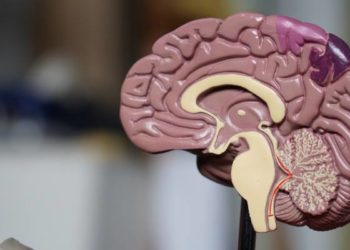
Image: PD

©2022 2 Minute Medicine, Inc. All rights reserved. No works may be reproduced without expressed written consent from 2 Minute Medicine, Inc. Inquire about licensing here. No article should be construed as medical advice and is not intended as such by the authors or by 2 Minute Medicine, Inc.
Tags: Hemorrhagic Strokeischemic strokemobile stroke unitstroke
Previous Post

#VisualAbstract: Dutasteride 0.5mg daily has the highest probability of being the most efficacious treatment for male androgenetic alopecia

Next Post

The spiritual history may improve the quality of the doctor-patient relationship

RelatedReports

Nephrology

Apixaban (Eliquis) is associated with reduced rates of ischemic stroke and bleeding in patients with atrial fibrillation and advanced chronic kidney disease compared with warfarin (Coumadin)

September 9, 2026
No obesity paradox found between BMI, stroke, and death
Neurology

Thrombectomy may improve functional independence in acute ischemic stroke with medium vessel occlusion

May 26, 2026
Non-alcoholic fatty liver disease and risk of incident acute myocardial infarction and stroke: findings from matched cohort study of 18 million European adults
Weekly Rewinds

2 Minute Medicine Rewind April 20, 2026

April 20, 2026
Non-alcoholic fatty liver disease and risk of incident acute myocardial infarction and stroke: findings from matched cohort study of 18 million European adults
Chronic Disease

Virtual reality rehabilitation is safe and feasible for upper extremity recovery after subacute ischemic stroke

February 25, 2026
Next Post
Rapid growth of medical artificial intelligence technology usage identified from insurance claims analysis, yet major barriers to widespread adoption remain

The spiritual history may improve the quality of the doctor-patient relationship

Patients with low back pain or pain at multiple sites at highest risk for chronic opioid use

Pain may be greater driver for suicidal behavior in youths and young adults than prescription opioids

Patients with low back pain or pain at multiple sites at highest risk for chronic opioid use

2 Minute Medicine Rewind February 14, 2022

EvidencePulse™ by 2 Minute Medicine 2026 evidence scan 3 reports You asked top stroke trials 2026 Synthesizing medical evidence... Top 2026 stroke trial results: OCEANIC — ischemic stroke: 6.2% vs 8.4% OPTION* — mRS 0–1: 43.6% vs 34.2% ORIENTAL* — mRS 0–2: 58.6% vs 46.6% *Higher sICH in intervention arms Participants randomizedN OCEANIC 12,327 OPTION 570 ORIENTAL 564 Ask about guidelines or landmark trials... ↑ Try EvidencePulse™ Ask the evidence.
Get the signal.
Try it now → Physician-trained medical AI by 2 Minute Medicine

2MM+ All Access

Full details →
$4.99 /month

5-day free trial · cancel anytime

  • ✓100+ physician-written reports
  • ✓EvidencePulse™ + HypeCheck™
  • ✓Ad-free reading + newsletters
Start 5-day free trial

Then $4.99/month. Manage renewal in your account.

2 Minute Medicine® is an award winning, physician-run, expert medical media company. Our content is curated, written and edited by practicing health professionals who have clinical and scientific expertise in their field of reporting. Our editorial management team is comprised of highly-trained MD physicians. Join numerous brands, companies, and hospitals who trust our licensed content.

Recent Reports

  • The rate of urethrocutaneous fistula following caudal and penile blocks for hypospadias repair may be similar
  • Adjuvant chemotherapy not linked to improved outcomes in localized appendiceal adenocarcinoma
  • Deep learning model improved cancer recurrence prediction for pediatric glioma using serial imaging
License Content
Terms of Use | Disclaimer
Cookie Policy
Cleantalk Pixel
2MM+ All Access Full details →

The medical literature, distilled daily.

Monthly plan selected: $4.99 /month.

$4.99/month

5-day free trial · cancel anytime

Start 5-day free trial

Then $4.99/month. Manage renewal in your account.

Yearly plan selected: $49.90 /year.

$49.90/year

2 months free · only $4.16/month

Start 5-day free trial

Then $49.90/year. Manage renewal in your account.

Membership benefits

  • ✓100+ physician-written reports
  • ✓AI EvidencePulse™ + HypeCheck™
  • ✓Ad-free reading + newsletters

Already a member? Sign in

  • About
  • Specialties
    • All Specialties, All Recent Reports
    • Cardiology
    • Chronic Disease
    • Dermatology
    • Emergency
    • Endocrinology
    • Gastroenterology
    • Imaging and Intervention
    • Infectious Disease
    • Nephrology
    • Neurology
    • Obstetrics
    • Oncology
    • Ophthalmology
    • Pediatrics
    • Pharma
    • Preclinical
    • Psychiatry
    • Public Health
    • Pulmonology
    • Rheumatology
    • Surgery
  • Tools
    • EvidencePulse™
    • HypeCheck™
    • NPI Registry Lookup
    • RVU Search
  • Pharma
  • AI Roundup
  • The Scan
  • Classics™
    • 2MM+ Online Access
    • Paperback and Ebook
  • Rewinds
  • Partners
    • License Content
    • Submit Press Release
    • Advertise with Us
  • Account
    • Subscribe
    • My account
    • Cart
    • Sign-in
No Result
View All Result

© 2026 2 Minute Medicine, Inc. - Physician-written medical news.