• About
  • Masthead
  • License Content
  • Advertise
  • Submit Press Release
  • RSS/Email List
  • 2MM Podcast
  • Write for us
  • Contact Us
2 Minute Medicine
No Result
View All Result

No products in the cart.

SUBSCRIBE
  • Specialties
    • All Specialties, All Recent Reports
    • Cardiology
    • Chronic Disease
    • Dermatology
    • Emergency
    • Endocrinology
    • Gastroenterology
    • Imaging and Intervention
    • Infectious Disease
    • Nephrology
    • Neurology
    • Obstetrics
    • Oncology
    • Ophthalmology
    • Pediatrics
    • Pharma
    • Preclinical
    • Psychiatry
    • Public Health
    • Pulmonology
    • Rheumatology
    • Surgery
  • Tools
    • EvidencePulse™
    • RVU Search
    • NPI Registry Lookup
  • Pharma
  • AI News
  • The Scan+
  • Classics™+
    • 2MM+ Online Access
    • Paperback and Ebook
  • Rewinds
  • Partners
    • License Content
    • Submit Press Release
    • Advertise with Us
  • Account
    • Subscribe
    • Sign-in
    • My account
2 Minute Medicine
  • Specialties
    • All Specialties, All Recent Reports
    • Cardiology
    • Chronic Disease
    • Dermatology
    • Emergency
    • Endocrinology
    • Gastroenterology
    • Imaging and Intervention
    • Infectious Disease
    • Nephrology
    • Neurology
    • Obstetrics
    • Oncology
    • Ophthalmology
    • Pediatrics
    • Pharma
    • Preclinical
    • Psychiatry
    • Public Health
    • Pulmonology
    • Rheumatology
    • Surgery
  • Tools
    • EvidencePulse™
    • RVU Search
    • NPI Registry Lookup
  • Pharma
  • AI News
  • The Scan+
  • Classics™+
    • 2MM+ Online Access
    • Paperback and Ebook
  • Rewinds
  • Partners
    • License Content
    • Submit Press Release
    • Advertise with Us
  • Account
    • Subscribe
    • Sign-in
    • My account
SUBSCRIBE
2 Minute Medicine
Subscribe
Home All Specialties Infectious Disease

Moderate hypothermia appears ineffective for bacterial meningitis
bys25qthea
November 30, 2013
in Infectious Disease, Neurology
Reading Time: 2 mins read
0
Share on FacebookShare on Twitter

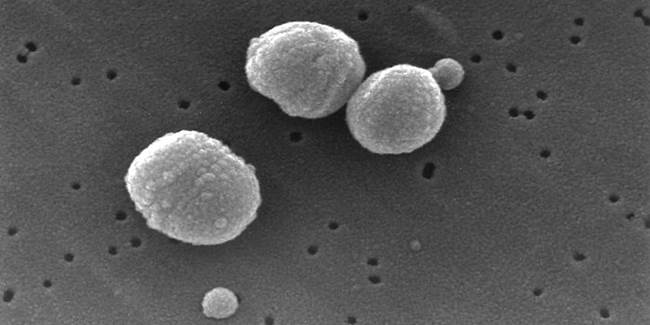
Image: PD

1. Moderate hypothermia (32°C- 34°C) did not improve clinical outcomes of bacterial meningitis patients.

2. Among the patient sample, 86% of the hypothermia group and 74% of the control group experienced unfavorable outcomes.

Evidence Rating Level: 1 (Excellent)

Study Rundown: Therapeutic hypothermia has been shown in animal models to decrease intracranial pressure and result in improved clinical outcomes in models of bacterial meningitis. In humans, therapeutic hypothermia is used to improve outcomes of cerebral hypoxemia. For this reason, the authors sought to study whether moderate hypothermia may be beneficial in bacterial meningitis patients.

This study demonstrated that moderate hypothermia (32°C- 34°C), was not an effective treatment and may have increased unfavorable clinical outcomes in bacterial meningitis patients. Of note, the study was terminated early due to increased mortality in the hypothermia group. Given the early termination, the study is limited by its small patient population of 98, limiting generalizability. Further studies of larger patient populations are needed to validate these results; nonetheless, the study does provide valuable information that may dissuade providers from considering hypothermia treatments for bacterial meningitis.

RELATED REPORTS

Drying prior to plastic wrapping may not provide thermoregulatory benefits in infants admitted to the neonatal intensive care unit

The 2 Minute Medicine Podcast Episode 33

The Scan by 2 Minute Medicine®: Declining Donations, Metals in Food, Unmasking the Mystery of MS and Cold Snap Safety:

Click to read the study in JAMA

Relevant Reading: Induced hypothermia in adult community-acquired bacterial meningitis – more than just a possibility?

In-Depth [randomized controlled trial]: This multicenter study examined 98 individuals, split into two groups, among 49 intensive care units in France. At 3 months 25 (51%) patients in the hypothermia group and 15 (31%) patients in the control group had died (RR, 1.99, 95%CI, 1.05-3.77; p= .04). Furthermore, 47% of the hypothermia group and 32% of the control group experienced septic shock. At 3 months, 86% of the hypothermia group and 74% of the control group experienced unfavorable outcomes (RR, 2.17; 95% CI, 0.78-6.01).

By John Prendergass and Rif Rahman

©2012-2013 2minutemedicine.com. All rights reserved. No works may be reproduced without expressed written consent from 2minutemedicine.com. Disclaimer: We present factual information directly from peer reviewed medical journals. No post should be construed as medical advice and is not intended as such by the authors, editors, staff or by 2minutemedicine.com. PLEASE SEE A HEALTHCARE PROVIDER IN YOUR AREA IF YOU SEEK MEDICAL ADVICE OF ANY SORT.  

Tags: bacterial meningitishypothermia
Previous Post

Surgical ward rounds “quality” correlates with outcomes, complications

Next Post

Preoperative vitamin D levels may influence post-surgical infection rate

RelatedReports

Stochastic resonance stimulation may decrease apnea of prematurity
Emergency

Drying prior to plastic wrapping may not provide thermoregulatory benefits in infants admitted to the neonatal intensive care unit

April 10, 2026
The 2 Minute Medicine Podcast Episode 15
2MM Podcast

The 2 Minute Medicine Podcast Episode 33

January 25, 2024
The Scan by 2 Minute Medicine®:  Ultra-Trail du Mont-Blanc, Taylor Swift, NBA rookie Chet Holmgren and Magic Mushrooms!
The Scan by 2 Minute Medicine®

The Scan by 2 Minute Medicine®: Declining Donations, Metals in Food, Unmasking the Mystery of MS and Cold Snap Safety:

January 23, 2024
The Scan by 2 Minute Medicine®:  Ultra-Trail du Mont-Blanc, Taylor Swift, NBA rookie Chet Holmgren and Magic Mushrooms!
The Scan by 2 Minute Medicine®

The Scan by 2 Minute Medicine®: The Genetics of Alzheimer’s Disease, the Silent Killer, a Holiday Blizzard and an HIV Vaccine on the Horizon

March 14, 2023
Next Post
Increased infections noted with longer duration neonatal PICC placement

Preoperative vitamin D levels may influence post-surgical infection rate

Hypercortisolemia in ICU patients is due to reduced cortisol metabolism, not increased production

Wait times between uterine cancer diagnosis and surgery linked to survival

Pelvic organ prolapse surgery has increasing complications long-term

Individualized pelvic floor muscle training improves prolapse symptoms

2 Minute Medicine® is an award winning, physician-run, expert medical media company. Our content is curated, written and edited by practicing health professionals who have clinical and scientific expertise in their field of reporting. Our editorial management team is comprised of highly-trained MD physicians. Join numerous brands, companies, and hospitals who trust our licensed content.

Recent Reports

  • Active surveillance is cost-effective compared with standard surgery among esophageal cancer patients with complete clinical response after neoadjuvant chemoradiotherapy
  • Intraarterial dexamethasone may be effective for pain relief following uterine fibroid embolization
  • Hematologic inflammatory indices may predict prognosis in younger patients with COVID-19 but not older patients
License Content
Terms of Use | Disclaimer
Cookie Policy
Privacy Statement (EU)
Disclaimer
  • Specialties
    • All Specialties, All Recent Reports
    • Cardiology
    • Chronic Disease
    • Dermatology
    • Emergency
    • Endocrinology
    • Gastroenterology
    • Imaging and Intervention
    • Infectious Disease
    • Nephrology
    • Neurology
    • Obstetrics
    • Oncology
    • Ophthalmology
    • Pediatrics
    • Pharma
    • Preclinical
    • Psychiatry
    • Public Health
    • Pulmonology
    • Rheumatology
    • Surgery
  • Tools
    • EvidencePulse™
    • RVU Search
    • NPI Registry Lookup
  • Pharma
  • AI News
  • The Scan
  • Classics™
    • 2MM+ Online Access
    • Paperback and Ebook
  • Rewinds
  • Partners
    • License Content
    • Submit Press Release
    • Advertise with Us
  • Account
    • Subscribe
    • Sign-in
    • My account
No Result
View All Result

© 2026 2 Minute Medicine, Inc. - Physician-written medical news.