

• About
  • Masthead
  • License Content
  • Advertise
  • Submit Press Release
  • RSS/Email List
  • 2MM Podcast
  • Write for us
  • Contact Us
2 Minute Medicine
No Result
View All Result

No products in the cart.

SUBSCRIBE
  • Specialties
    • All Specialties, All Recent Reports
    • Cardiology
    • Chronic Disease
    • Dermatology
    • Emergency
    • Endocrinology
    • Gastroenterology
    • Imaging and Intervention
    • Infectious Disease
    • Nephrology
    • Neurology
    • Obstetrics
    • Oncology
    • Ophthalmology
    • Pediatrics
    • Pharma
    • Preclinical
    • Psychiatry
    • Public Health
    • Pulmonology
    • Rheumatology
    • Surgery
  • Tools
    • EvidencePulse™
    • RVU Search
    • NPI Registry Lookup
  • Pharma
  • AI News
  • The Scan+
  • Classics™+
    • 2MM+ Online Access
    • Paperback and Ebook
  • Rewinds
  • Partners
    • License Content
    • Submit Press Release
    • Advertise with Us
  • Account
    • Subscribe
    • Sign-in
    • My account
2 Minute Medicine
  • Specialties
    • All Specialties, All Recent Reports
    • Cardiology
    • Chronic Disease
    • Dermatology
    • Emergency
    • Endocrinology
    • Gastroenterology
    • Imaging and Intervention
    • Infectious Disease
    • Nephrology
    • Neurology
    • Obstetrics
    • Oncology
    • Ophthalmology
    • Pediatrics
    • Pharma
    • Preclinical
    • Psychiatry
    • Public Health
    • Pulmonology
    • Rheumatology
    • Surgery
  • Tools
    • EvidencePulse™
    • RVU Search
    • NPI Registry Lookup
  • Pharma
  • AI News
  • The Scan+
  • Classics™+
    • 2MM+ Online Access
    • Paperback and Ebook
  • Rewinds
  • Partners
    • License Content
    • Submit Press Release
    • Advertise with Us
  • Account
    • Subscribe
    • Sign-in
    • My account
SUBSCRIBE
2 Minute Medicine
Subscribe
Home All Specialties Cardiology

Myocardial viability testing does not identify patients who benefit from percutaneous coronary intervention
byYasin AvciandYuchen Dai
November 7, 2023
in Cardiology
Reading Time: 3 mins read
0
Share on FacebookShare on Twitter

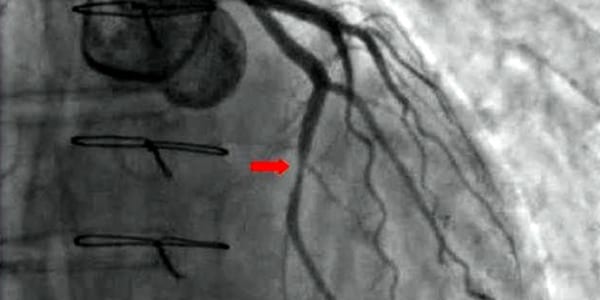
1. In individuals suffering from ischemic left ventricular dysfunction with ejection fraction of 35% or lower, neither cardiovascular magnetic resonance imaging nor stress echocardiography was able to pinpoint a group of patients who could gain advantages from percutaneous coronary intervention.

2. The extent of nonviable myocardium was linked to an increased risk of mortality or hospitalization due to heart failure and a reduced likelihood of left ventricular function improvement.

Evidence Rating Level: 1 (Excellent)

Study Rundown: Myocardial viability tests are considered to help identify individuals with ischemic cardiomyopathy who may benefit from revascularization. These tests categorize myocardial tissue into healthy, viable, and nonviable states, and historical data suggest that patients with extensive viability may experience improved left ventricular function and survival after revascularization. In the Surgical Treatment for Ischemic Heart Failure (STICH) trial, random allocation showed no link between viability status and the impact of coronary artery bypass graft surgery. While observational studies hint at potential benefits of revascularization, their retrospective and nonrandomized nature leaves questions about the connection between myocardial viability and outcomes like event-free survival and left ventricular recovery. In this study, the Revascularization for Ischemic Ventricular Dysfunction (REVIVED-BCIS2) trial, involved a randomized comparison of percutaneous coronary intervention (PCI) versus optimal medical therapy (OMT) for ischemic cardiomyopathy patients who had undergone viability testing, aiming to analyze clinical and left ventricular outcomes concerning viable and nonviable myocardium and their associations with prognosis, functional recovery, and the impact of revascularization. The research revealed that viability testing did not pinpoint individuals for whom PCI would offer a prognostic advantage or enhance left ventricular function. A notable advantage of this study was the examination of viability characteristics as continuous variables instead of binary, enabling a more accurate representation of biological diversity and improving the capacity to identify potential interactions.

Click to read the study in JAMA Cardiology

Click to read an accompanying editorial in JAMA Cardiology

RELATED REPORTS

Patients with coronary artery disease have sustained elevation in blood pressure following exercise

De-escalating dual antiplatelet therapy may lower major bleeding risk following drug-eluting stent implantation

Optical coherence tomography-guided angioplasty reduces adverse events compared to angiography guidance

Relevant Reading: Myocardial viability testing: all STICHed up, or about to be REVIVED?

In-Depth [randomized controlled trial]: This study was a prospective, multicenter, open-label randomized clinical trial that included 610 participants recruited between August 2013 and March 2020. Eligible participants for the study had a left ventricular ejection fraction of 35% or less, significant coronary artery, and demonstrated myocardial viability, with viability defined as having at least 4 dysfunctional myocardial segments at rest, deemed viable and accessible for revascularization by PCI due to severely diseased coronary arteries. The primary endpoint was a combination of all-cause mortality or heart failure-related hospitalization over a minimum 24-month follow-up period. Secondary endpoints included all-cause mortality, cardiovascular mortality, heart failure hospitalizations, and improvements in left ventricular function at 6 months. In the PCI group, 107 out of 295 participants experienced a primary outcome event, while in the OMT group, 114 out of 315 participants did so (36.3% vs. 36.2%). The difference between the groups was minimal, 0.1% (hazard ratio (HR): 0.99, 95% confidence interval (CI): 0.76-1.29, P = 0.93) and the results were consistent with the entire trial population over a median follow-up of 3.4 years (IQR, 2.3-5.0 years). No interaction was observed between the extent of viable or nonviable myocardium and the impact of PCI on the primary or secondary outcomes. In the entire study population, the extent of viable myocardium showed no significant association with the primary outcome (HR per 10% increase: 0.98; 95% CI: 0.93-1.04, P = 0.56) or any secondary outcome, while the extent of nonviable myocardium was linked to the primary outcome (HR: 1.07; 95% CI: 1.00-1.15, P = 0.48), all-cause mortality, cardiovascular mortality, and improvements in left ventricular function.

Image: PD

©2023 2 Minute Medicine, Inc. All rights reserved. No works may be reproduced without expressed written consent from 2 Minute Medicine, Inc. Inquire about licensing here. No article should be construed as medical advice and is not intended as such by the authors or by 2 Minute Medicine, Inc.

Tags: Coronary artery diseaseischemic cardiomyopathy (ICM)percutaneous coronary intervention (PCI)REVIVEDSTITICHviability
Previous Post

#VisualAbstract: Sparsentan versus Irbesartan in Focal Segmental Glomerulosclerosis

Next Post

Avacincaptad pegol reduces the rate of age-related macular degeneration in geographic atrophy

RelatedReports

Prevalence of hypertension among adolescents varies by race and BMI
Cardiology

Patients with coronary artery disease have sustained elevation in blood pressure following exercise

February 28, 2025
Stent type may not be related to adverse cardiac events after surgery
Cardiology

De-escalating dual antiplatelet therapy may lower major bleeding risk following drug-eluting stent implantation

February 17, 2025
Drug-coated balloons are noninferior to drug-eluting stents for treatment of small vessel coronary artery disease
Cardiology

Optical coherence tomography-guided angioplasty reduces adverse events compared to angiography guidance

October 1, 2024
Drug-coated balloons are noninferior to drug-eluting stents for treatment of small vessel coronary artery disease
Cardiology

Ticagrelor monotherapy reduces bleeding risk compared to dual antiplatelet therapy for patients following coronary stenting

September 25, 2024
Next Post
Adalimumab aids in control of noninfectious uveitis

Avacincaptad pegol reduces the rate of age-related macular degeneration in geographic atrophy

American Academy of Pediatrics recommends standards for adverse event disclosures

Factors important for health-related quality of life in men and women

Few high school students, young adults get HIV testing

Provision of HHIV preexposure prophylaxis among adolescents increased from 2018 to 2021

2 Minute Medicine® is an award winning, physician-run, expert medical media company. Our content is curated, written and edited by practicing health professionals who have clinical and scientific expertise in their field of reporting. Our editorial management team is comprised of highly-trained MD physicians. Join numerous brands, companies, and hospitals who trust our licensed content.

Recent Reports

  • Orforglipron (Foundayo) expands oral treatment options for weight management
  • Housing insecurity is associated with increased risk of geriatric conditions and mortality
  • Polyethylene glycol-mediated nerve repair may accelerate early recovery in patients with distal forearm nerve injuries
License Content
Terms of Use | Disclaimer
Cookie Policy
Privacy Statement (EU)
Disclaimer

The Classics in Medicine Paperback Released!

Over the past 30 years, the transition from print to digital media has contributed to an exponential increase in medical literature. In response, 2 Minute Medicine presents 160+ authoritative, physician-written summaries of the most cited landmark trials in medicine.

amazon-logo_blackGet-it-on-iBooks-badge

Click anywhere to close this announcement

  • Specialties
    • All Specialties, All Recent Reports
    • Cardiology
    • Chronic Disease
    • Dermatology
    • Emergency
    • Endocrinology
    • Gastroenterology
    • Imaging and Intervention
    • Infectious Disease
    • Nephrology
    • Neurology
    • Obstetrics
    • Oncology
    • Ophthalmology
    • Pediatrics
    • Pharma
    • Preclinical
    • Psychiatry
    • Public Health
    • Pulmonology
    • Rheumatology
    • Surgery
  • Tools
    • EvidencePulse™
    • RVU Search
    • NPI Registry Lookup
  • Pharma
  • AI News
  • The Scan
  • Classics™
    • 2MM+ Online Access
    • Paperback and Ebook
  • Rewinds
  • Partners
    • License Content
    • Submit Press Release
    • Advertise with Us
  • Account
    • Subscribe
    • Sign-in
    • My account
No Result
View All Result

© 2026 2 Minute Medicine, Inc. - Physician-written medical news.