

Patient Basics: Botulism
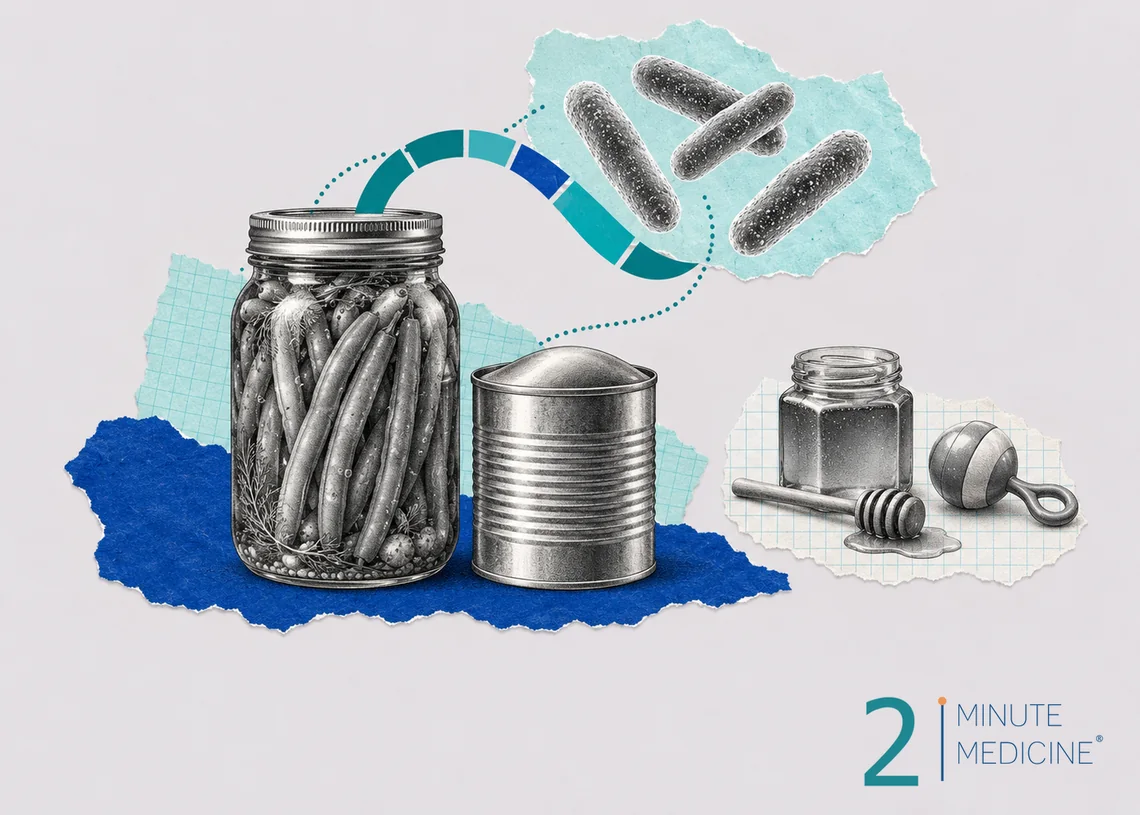
Botulism is a rare but serious illness caused by a toxin that attacks the nerves. The toxin is made by bacteria called Clostridium botulinum, and it causes weakness that spreads down the body and can stop a person from breathing. Botulism is a medical emergency. Call 911 or go to an emergency department right away if you suspect it, because an antitoxin can stop it from getting worse.
Key points
- Most foodborne botulism in the US comes from home-canned or home-preserved foods that weren’t processed correctly.
- Infant botulism is the most common type in the US. Never give honey to a baby under 1 year old.
- Early signs are blurry or double vision, drooping eyelids, slurred speech, trouble swallowing and a dry mouth.
- Treatment is an antitoxin plus hospital care. Some people need a breathing machine for weeks.
- Botulism does not spread from person to person.
How you get botulism
The bacteria live in soil and dust as hardy spores. Spores are harmless until they land somewhere with no oxygen, little acid and some warmth, such as a sealed jar of low-acid food. There they grow and make toxin. A tiny amount of toxin can make someone very sick.
Types of botulism
- Foodborne. A person eats food that already contains the toxin. Common sources are home-canned vegetables such as green beans, corn, beets and asparagus, fermented fish, garlic or herbs kept in oil at room temperature, and baked potatoes left in foil on the counter.
- Infant. A baby swallows spores, which grow in the baby’s gut and make toxin there. Most cases are in babies under 6 months. Honey is a known source, but many cases come from spores in dust or soil.
- Wound. Spores get into a wound and make toxin. In the US, this mostly happens in people who inject drugs, especially black tar heroin.
- From cosmetic or medical injections. Rarely, too much botulinum toxin (the same toxin used in Botox) spreads beyond the injection site. Most of these cases involve fake or unlicensed products, or injections from people without proper training.
Symptoms of botulism
Foodborne botulism usually starts 12 to 36 hours after eating the food, but it can be a few hours or up to 10 days. Nausea, vomiting or belly pain may come first. Then nerve symptoms appear, usually starting at the head and moving down:
- Blurry or double vision
- Drooping eyelids
- Slurred speech
- Trouble swallowing and a dry mouth
- A face that looks weak or slack
- Weakness in the arms, then the chest and legs
- Shortness of breath as breathing muscles weaken
People with botulism usually have no fever and stay alert and able to think clearly.
In babies, the first sign is often constipation. Then the baby may feed poorly, cry weakly, drool, lose facial expression and seem floppy, with poor head control.
How it’s diagnosed
Doctors diagnose botulism mainly from the symptoms and a careful exam. Lab tests on blood, stool, vomit or leftover food can confirm it, but results take days, so treatment starts before they come back. Tests such as a brain scan, a spinal tap or a nerve and muscle test (EMG) help rule out conditions that look similar, such as stroke, Guillain-Barré syndrome and myasthenia gravis.
Doctors report every suspected case to the health department right away. Health workers then try to find the source, so others who ate the same food can be checked.
How botulism is treated
- Antitoxin. Children and adults get botulism antitoxin, which the CDC supplies through state health departments. Babies get a different product made for infant botulism. The antitoxin stops the toxin from harming more nerves, but it can’t undo weakness that has already set in, so the sooner it’s given the better.
- Breathing support. Patients are watched closely in intensive care. If breathing muscles get too weak, a breathing machine (ventilator) takes over until they recover.
- Feeding support. A feeding tube may be needed if swallowing isn’t safe.
- Wound care. For wound botulism, the wound is cleaned and antibiotics are given.
Recovery
Nerves recover slowly by growing new connections to the muscles. People who needed a ventilator may need it for weeks to months, followed by rehabilitation. With modern intensive care, most people survive and recover fully, though tiredness and shortness of breath can linger for a year or more.
Lowering your risk
- Can low-acid foods with a pressure canner. Vegetables, meat and fish need the high heat of a pressure canner. A boiling-water bath isn’t hot enough. Follow tested methods, such as the USDA’s home canning guide.
- When in doubt, throw it out. Don’t eat from cans or jars that bulge, leak, look damaged, spurt liquid when opened, or smell bad. Toxin can be present even when food looks and smells normal, so if you aren’t sure a home-canned food was processed safely, don’t taste it.
- Refrigerate homemade oils with garlic or herbs, and use them within a few days.
- Keep baked potatoes in foil hot until served, or refrigerate them promptly.
- No honey for babies under 1, even a taste.
- Choose licensed providers who use FDA-approved products for cosmetic injections.
- Get help for drug use, and see a doctor for any wound that looks infected. The SAMHSA National Helpline is 1-800-662-4357.
Throw away suspect food in a sealed bag, wearing gloves, and clean any spills with a bleach solution.
Get emergency care
Call 911 if you or someone else has double vision, drooping eyelids, slurred speech, trouble swallowing or breathing, or weakness that is spreading. Call right away if a baby has constipation along with a weak cry, poor feeding or floppiness. If you think you ate a risky food but have no symptoms, call Poison Help at 1-800-222-1222 for advice.
Common questions about botulism
How quickly do botulism symptoms start?
Symptoms of foodborne botulism usually start 12 to 36 hours after eating the food, but they can begin within a few hours or as late as 10 days. Wound and infant botulism come on more slowly. Anyone with blurry vision and trouble swallowing after a risky food needs care right away.
Does botulism go away on its own?
Don’t wait to find out. Without antitoxin and hospital care, botulism poisoning can weaken the breathing muscles until a person can’t breathe, which can be fatal. Even mild symptoms need an emergency check, because the antitoxin only works on toxin that hasn’t yet reached the nerves.
How do you kill botulism spores?
Ordinary boiling doesn’t kill the spores. Only the higher heat inside a pressure canner, used with a tested recipe, makes low-acid home-canned food safe. Heat can break down the toxin itself, but don’t rely on cooking to rescue food you’re unsure about. Throw it out.
Can botulism be cured?
Yes, most people recover with treatment, but healing takes time. The antitoxin stops further damage, and the nerves slowly repair themselves over weeks to months. Some people need a breathing machine and rehabilitation, and tiredness may last a long time afterward.
Questions to ask your doctor
- What type of botulism do I have, and what was the likely source?
- Will I need a breathing machine?
- How long will recovery take, and will I need rehabilitation?
- Should others who ate the same food be checked?
- How can I can foods safely at home?
Learn more
- About botulism (Centers for Disease Control and Prevention)
- Botulism (MedlinePlus, U.S. National Library of Medicine)
This guide is general information and doesn’t replace advice from your own doctor. Last updated October 2026.






 Get the app