

Patient Basics: Borderline Personality Disorder
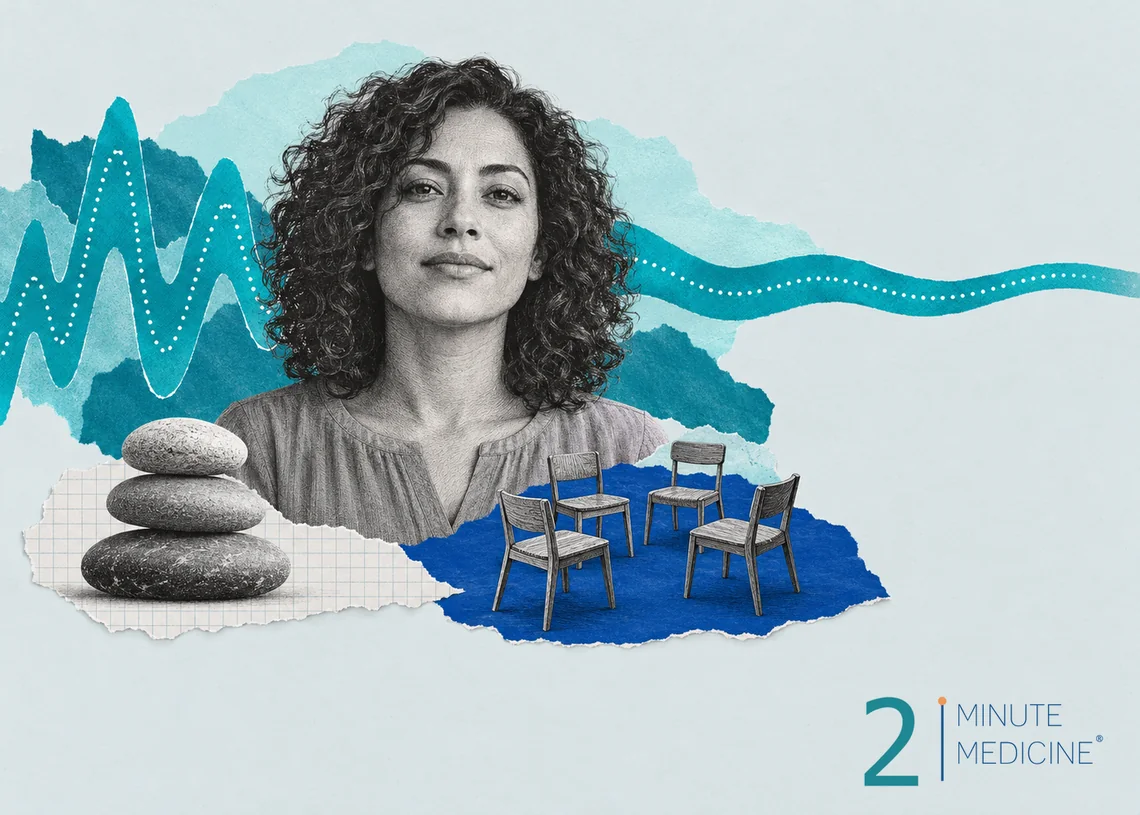
Borderline personality disorder (BPD) is a mental health condition in which emotions feel very intense and change quickly, relationships swing between closeness and conflict, and a person’s sense of who they are keeps shifting. Many people with BPD fear being abandoned and act on impulse when upset, and self-harm is common. It usually starts in the teens or early adulthood. BPD responds well to specific talk therapies, and most people improve a great deal over time.
Key points
- BPD affects roughly 1 to 2 in 100 adults. It is diagnosed more often in women, but men have it too.
- Intense emotions, fear of abandonment, unstable relationships, impulsive acts and self-harm are core signs.
- Genes, brain differences in how emotions are handled, and painful childhood experiences all play a part.
- Dialectical behavior therapy (DBT) and other focused therapies are the main treatment. No medicine treats BPD itself.
- If you or someone you know is thinking about suicide, call or text 988 (Suicide & Crisis Lifeline).
Signs of borderline personality disorder
A diagnosis needs at least five of these signs, lasting over time and showing up in many parts of life:
- Strong fear of being abandoned, and frantic efforts to avoid it, even when the threat isn’t real
- Intense relationships that swing between seeing someone as perfect and seeing them as all bad
- An unstable sense of self, with sudden changes in goals, values, career plans or identity
- Risky, impulsive behavior, such as overspending, unsafe sex, binge eating, reckless driving or substance use
- Repeated suicidal thoughts or attempts, or self-harm such as cutting
- Mood swings that last a few hours to a few days
- Long-lasting feelings of emptiness
- Intense anger that is hard to control
- Under stress, brief periods of feeling suspicious, or feeling numb, unreal or cut off from yourself (dissociation)
Many people have some borderline personality traits, such as strong reactions to rejection, without having the disorder. BPD is diagnosed when these patterns are long-lasting and cause real distress or problems at home, work or school.
The name is old. Doctors once thought the condition sat on the “border” between other mental illnesses. Some people and some countries now use the term emotionally unstable personality disorder.
What causes borderline personality disorder
- Genes. BPD often runs in families, and genes account for a large share of the risk.
- Brain differences. Brain areas that react to emotion may be more sensitive, while areas that calm and control those reactions may be less active.
- Life experiences. Childhood abuse, neglect, early loss, or growing up where feelings were dismissed or punished raise the risk. Not everyone with BPD has had trauma.
BPD is a health condition, and no one is to blame for it.
How it’s diagnosed
A psychiatrist, psychologist or other licensed mental health professional makes the diagnosis after one or more detailed conversations about your feelings, relationships and history. Online quizzes can’t diagnose BPD. The clinician also looks for conditions that often occur alongside it or look similar, such as depression, bipolar disorder, PTSD, anxiety, ADHD, eating disorders and substance use. BPD can be diagnosed in teenagers when the signs are clear and lasting.
How borderline personality disorder is treated
Talk therapy
- Dialectical behavior therapy (DBT) is the best-studied treatment. It usually combines weekly individual therapy, a weekly skills group, and phone coaching between sessions, often for about a year. The group teaches four skill sets: mindfulness, getting through a crisis without making it worse, managing emotions, and handling relationships. DBT lowers self-harm, suicide attempts and emergency visits.
- Mentalization-based therapy (MBT) helps you understand your own and other people’s thoughts and feelings, especially in tense moments.
- Schema therapy and transference-focused psychotherapy work on deep-rooted patterns that shape how you see yourself and others.
- Good psychiatric management is a practical, less intensive approach that many general mental health clinicians can provide.
Group programs are a key part of DBT and some other treatments. Ask your clinician or local mental health center about DBT skills groups near you or online.
Medicine
No medicine is approved to treat BPD itself. Doctors may prescribe medicine for conditions that come with it, such as depression or anxiety. Sedatives such as benzodiazepines can make impulsive behavior worse and lead to dependence, so they are usually avoided.
Crisis care
A short hospital stay or an intensive day program may be needed during a crisis. A written safety plan, made with your therapist, lists warning signs, coping steps and people to call.
Living with BPD
- Practice your skills every day, including the calm days.
- Keep regular sleep, meals and exercise, which steady mood.
- Limit alcohol and avoid drugs, which make impulsive acts more likely.
- Notice your triggers, and plan ahead for hard situations.
Family members can help by staying calm, listening, naming the person’s feelings, and setting clear, kind limits. Programs such as Family Connections teach loved ones DBT-based skills. Always take talk of suicide seriously.
When to get help
See a mental health professional if intense emotions, relationship turmoil or impulsive behavior keep causing problems for you. If you use drugs or alcohol to cope, the SAMHSA helpline at 1-800-662-4357 can help you find treatment.
Get help right away if you have hurt yourself, have a plan to, or are thinking about suicide. Call or text 988, or call 911.
Common questions about borderline personality disorder
Is borderline personality disorder the same as bipolar disorder?
No. In bipolar disorder, mood episodes of depression and mania or hypomania last days to weeks. In BPD, moods shift within hours, often set off by stress in relationships. The two can occur together, and they’re treated differently, so getting the right diagnosis matters.
Does borderline personality disorder get better?
Yes, for most people. Long-term studies have found that most people with BPD no longer meet the criteria for it within about 10 years, and relapse is less common than once believed. Therapy speeds recovery. Some problems, such as loneliness or trouble with work, may need ongoing support.
Do people with a personality disorder think their behavior is normal?
Sometimes. With some personality disorders, people see their patterns as just who they are. Many people with BPD, though, feel deep distress about their emotions and relationships and want help. In the heat of the moment, it can still be hard to see your own part in a conflict.
How is BPD different from paranoid personality disorder?
Paranoid personality disorder means a steady, long-term distrust of others and a belief that people intend harm. In BPD, suspicious thoughts usually come in short bursts during intense stress and fade as things calm down. The core of BPD is unstable emotions and relationships rather than constant suspicion.
Questions to ask your doctor
- What makes you think I have BPD, and could anything else explain my symptoms?
- Is DBT or another therapy available near me or online?
- How long will treatment take?
- Should any other conditions I have be treated at the same time?
- How can my family learn to support me?
Learn more
- Borderline personality disorder (National Institute of Mental Health)
- Borderline personality disorder (MedlinePlus, U.S. National Library of Medicine)
This guide is general information and doesn’t replace advice from your own doctor. Last updated October 2026.






 Get the app