

Patient Basics: Bradycardia
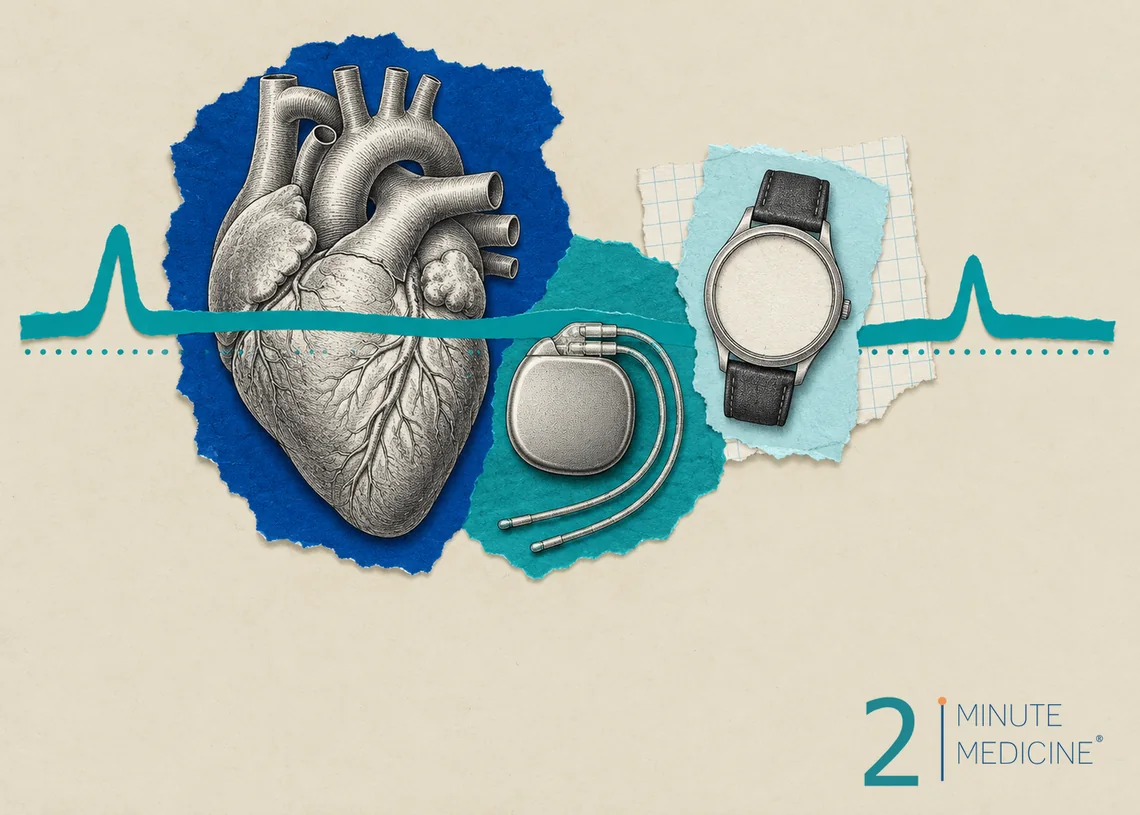
Bradycardia, from the Greek words for “slow heart,” is the medical term for an abnormally slow heart rate, usually fewer than 60 beats a minute in an adult at rest. A slow heartbeat is normal for many fit people and during sleep. It becomes a problem when the heart beats too slowly to pump enough blood, causing tiredness, dizziness or fainting. Fainting or chest pain with a slow pulse needs emergency care.
Key points
- Many healthy people, especially athletes, have a resting heart rate in the 50s or even lower, with no symptoms.
- Common causes include aging of the heart’s electrical system, heart disease, some medicines, an underactive thyroid and sleep apnea.
- An ECG (electrocardiogram) and a heart monitor worn for days or weeks are the main tests.
- Treatment depends on the cause. It may mean changing a medicine or getting a pacemaker.
- Bradycardia without symptoms often needs no treatment.
How the heartbeat is controlled
Each heartbeat starts with an electrical signal from a small group of cells in the upper right chamber, called the sinus node. It is the heart’s natural pacemaker. The signal spreads through the upper chambers, passes through a relay station between the upper and lower chambers (the AV node), then makes the lower chambers squeeze. Bradycardia happens when the sinus node fires too slowly or pauses, or when the signal is partly or fully blocked on its way down. A blocked signal is called heart block.
The amount of blood the heart pumps each minute (cardiac output) depends on how fast it beats and how much each beat pushes out. When the rate drops too low, less blood reaches the brain, muscles and other organs. They get less oxygen, and waste such as carbon dioxide is cleared more slowly, which leads to tiredness and dizziness.
What causes bradycardia
- Wear and tear with age. Scarring of the heart’s electrical system is the most common cause in older adults. When the sinus node stops working well, it is called sick sinus syndrome.
- Heart disease, including heart attack, heart surgery, heart valve problems and inflamed heart muscle (myocarditis)
- Medicines, such as beta blockers (metoprolol, atenolol, and propranolol or nadolol, which people with liver cirrhosis often take), some calcium channel blockers (diltiazem, verapamil), digoxin and amiodarone. Some glaucoma eye drops and dementia medicines can also slow the heart.
- Underactive thyroid (hypothyroidism)
- Too much potassium in the blood, often from kidney disease or certain medicines
- Obstructive sleep apnea, which can cause slow heartbeats during sleep
- Lyme disease, which can cause a temporary heart block
- A very low body temperature or a serious head injury
- Heart problems present from birth, or inherited conditions that affect the heart’s wiring
Bradycardia symptoms
- Tiredness or low energy, especially with exercise
- Dizziness or lightheadedness
- Fainting or nearly fainting
- Shortness of breath
- Chest pain or pressure
- Confusion or trouble focusing
Symptoms may come and go if the slow rhythm comes and goes. Some people notice nothing and learn about a slow rate from a routine visit or a smartwatch.
How it’s diagnosed
Your doctor will check your pulse, listen to your heart, review your medicines and ask when symptoms happen.
- ECG. Stickers on the chest record the heart’s electrical activity for a few seconds. It shows the rate and whether there is heart block.
- Heart monitors. Slow rhythms can come and go, so a small recorder worn on the chest for one day to a few weeks can help catch them. For rare symptoms, a tiny recorder can be placed under the skin of the chest for up to a few years.
- Exercise test, to see if your heart speeds up as it should while you walk on a treadmill
- Blood tests for thyroid levels, potassium and other causes
- Echocardiogram, an ultrasound of the heart, to check its structure and pumping
- Sleep study if sleep apnea is suspected
Smartwatches can flag a slow heart rate, but a doctor should confirm the reading with an ECG.
How bradycardia is treated
If you have no symptoms and tests show no serious rhythm problem, you may not need any treatment.
- Treat the cause. Your doctor may lower the dose of a medicine or switch it. Don’t stop a heart medicine on your own. Thyroid hormone, treatment for sleep apnea or correcting potassium can bring the rate back up.
- Pacemaker. If symptoms continue or there is a serious heart block, a pacemaker is the main treatment. It is a small battery-powered device placed under the skin below the collarbone, with thin wires (leads) that run through a vein into the heart. It watches your heartbeat and sends a signal only when your heart is too slow. Placing one is a minor procedure, usually done with numbing medicine and light sedation, and most people go home the same day or the next. Smaller wireless pacemakers can be placed inside the heart through a vein in the leg.
- Emergency care. In the hospital, very slow and dangerous rhythms are treated with medicines such as atropine, or with temporary pacing through pads on the chest or a wire in a vein.
Living with a pacemaker
- Avoid lifting your arm high on the pacemaker side for a few weeks while the leads settle in place.
- Most pacemakers send readings to your care team from home. You will still have regular checkups.
- Batteries last many years and are replaced with a short procedure.
- Keep cell phones and headphones at least 6 inches from the device. Don’t carry them in a shirt pocket over it.
- Carry your device card. Tell security staff and every doctor that you have a pacemaker. Many newer models are safe in an MRI scanner under the right conditions.
When to see a doctor
- Your pulse is often slow and you feel tired, dizzy or short of breath
- Your heart rate drops after starting a new medicine
- A smartwatch keeps alerting you to a low heart rate
- You get tired much more easily with exercise than before
Call 911 if you faint, have chest pain, sudden severe shortness of breath, or confusion.
Common questions about bradycardia
What is a healthy resting heart rate?
For most adults, a normal resting heart rate is 60 to 100 beats a minute. Fit people often sit in the 40s or 50s, and the rate dips during sleep. A slow rate is only a concern if it causes symptoms or comes with a rhythm problem on an ECG.
What is sinus bradycardia?
Sinus bradycardia means the heart’s natural pacemaker is working normally but firing slowly. It is common in athletes, during sleep and with some medicines, and it is usually harmless. Sinus arrhythmia, often seen with it, is a normal speeding up as you breathe in and slowing down as you breathe out, especially in young people.
Does bradycardia go away?
It often does when the cause can be fixed, such as a medicine, an underactive thyroid, high potassium or Lyme disease. Bradycardia from age-related wear on the heart’s wiring usually stays or slowly gets worse. If it causes symptoms, a pacemaker keeps the heart rate from dropping too low.
If my ECG is normal, is my heart OK?
A normal ECG is reassuring, but it records only a few seconds. A slow rhythm that comes and goes can be missed, so your doctor may ask you to wear a monitor for days or weeks. An ECG also can’t rule out every heart problem, such as narrowed arteries, so other tests may still be needed.
Questions to ask your doctor
- Is my slow heart rate normal for me, or a problem?
- Could any of my medicines be the cause?
- Do I need to wear a heart monitor?
- Do I need a pacemaker, and what are the risks?
- Are there activities I should avoid?
Learn more
- Arrhythmias (National Heart, Lung, and Blood Institute)
- Arrhythmia (MedlinePlus, U.S. National Library of Medicine)
This guide is general information and doesn’t replace advice from your own doctor. Last updated October 2026.






 Get the app