

Patient Basics: Colposcopy
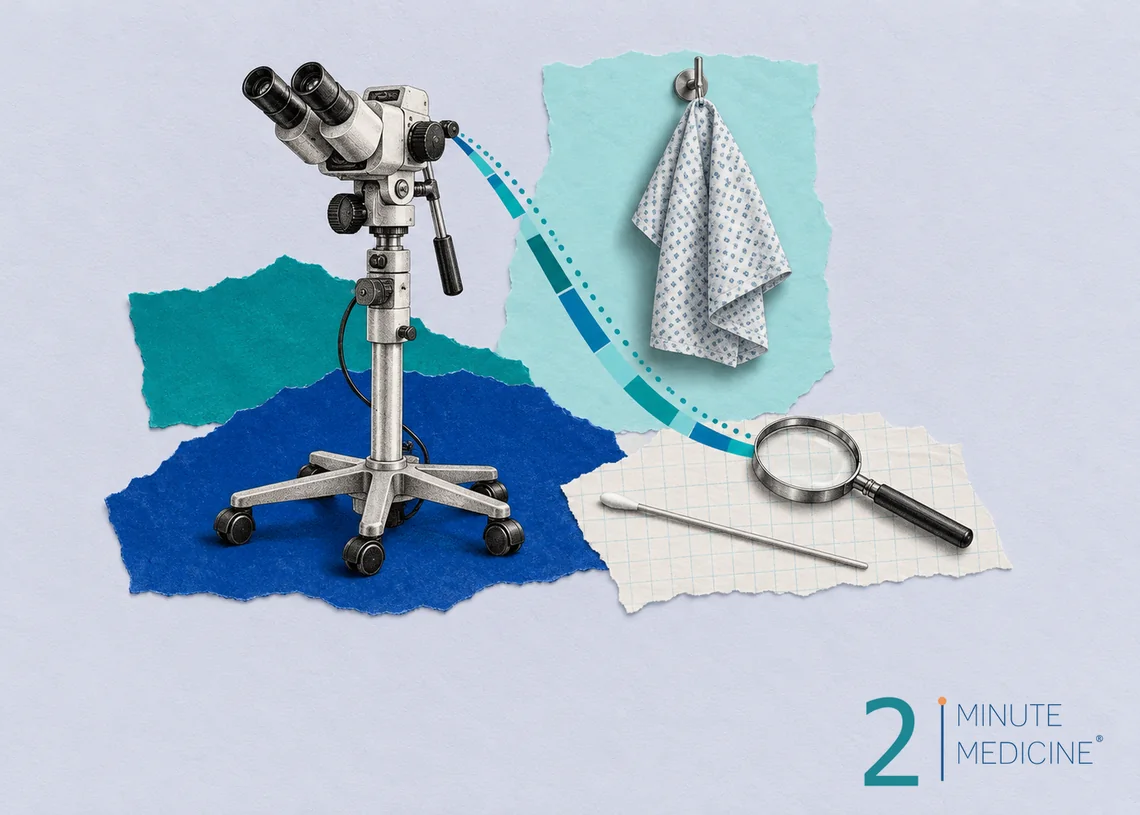
A colposcopy is a close-up look at the cervix, the lower opening of the uterus, using a magnifying instrument called a colposcope. It is usually done after a Pap test or HPV test shows changes that need a closer look. It takes place in a doctor’s office and lasts about 10 to 20 minutes. Most people who have a colposcopy don’t have cancer. The test is a way to find and treat cell changes early, before they can turn into cancer.
Key points
- The colposcope stays outside your body. It works like a pair of binoculars on a stand.
- If the doctor sees an area that looks abnormal, they take a tiny sample (biopsy) to send to a lab.
- It feels much like a Pap test. A biopsy may cause a quick pinch or cramp.
- Expect light spotting and a dark discharge for a few days if you had a biopsy.
- Many mild cell changes go away on their own. More serious ones can be removed with a short office procedure.
Why a colposcopy is done
Nearly all cervical cancers are caused by long-lasting infection with certain types of human papillomavirus (HPV). HPV is very common and usually clears on its own. When it doesn’t, it can slowly cause abnormal cells on the cervix (cervical dysplasia). A colposcopy helps your doctor see where those cells are and how serious the changes may be.
Your doctor may advise a colposcopy if:
- Your Pap test showed abnormal cells
- You tested positive for a high-risk type of HPV, such as types 16 or 18
- Your cervix looked unusual during a pelvic exam
- You have unexplained bleeding, such as after sex
- You need a follow-up check after earlier treatment
The same instrument can also be used to look at the vagina and vulva. That fits the name, since “colpo-” means vagina and “-scopy” means looking with an instrument.
How to prepare for a colposcopy
- Schedule it for a time when you don’t expect your period. Light bleeding is usually fine. Call ahead if you are bleeding heavily.
- For 1 to 2 days before, don’t have vaginal sex, use tampons, douche, or put creams or medicines in the vagina, unless your doctor says otherwise.
- Tell your doctor if you are or might be pregnant. Colposcopy is safe in pregnancy, but some steps are skipped.
- Ask whether you should take ibuprofen or acetaminophen about an hour before.
- Bring a pad for any spotting afterward.
What happens during a colposcopy
- You undress from the waist down and lie on the exam table with your feet in supports, as for a Pap test.
- The doctor places a speculum in the vagina to hold it open and see the cervix.
- The colposcope is set up a short distance from your body. It shines a light and magnifies the view. You may be able to watch on a screen if you want.
- The doctor gently swabs the cervix with a vinegar solution, which may sting slightly. Abnormal areas turn white. Some doctors also use an iodine solution that stains healthy tissue brown.
- If an area looks abnormal, the doctor removes one or more tiny pieces of tissue. They may also gently scrape cells from inside the opening of the cervix (endocervical curettage). This step is skipped during pregnancy.
- A paste or liquid may be put on the biopsy site to stop bleeding.
Breathing slowly and relaxing your belly and thigh muscles can make the exam more comfortable. You can ask the doctor to pause at any time.
Afterward
You can usually go back to your normal day. If you had a biopsy:
- Mild cramps and light spotting for a few days are common.
- A brown or black discharge that looks like coffee grounds is often seen. It comes from the paste used to stop bleeding.
- Use pads instead of tampons, and avoid vaginal sex and douching for about a week, or as long as your doctor advises.
Possible risks
Colposcopy is very safe. Rare problems after a biopsy include heavier bleeding and infection. There is no lasting effect on your ability to get pregnant.
Your results
Biopsy results usually take 1 to 2 weeks. Abnormal cells are graded by how much of the cervix lining they affect:
- Low-grade changes (CIN 1 or LSIL) often go away on their own within 1 to 2 years. Usually you are watched with repeat tests.
- High-grade changes (CIN 2, CIN 3 or HSIL) are more likely to turn into cancer over time if not treated. They are usually removed.
- Cancer is uncommon. If it is found, you will be referred to a cancer specialist (gynecologic oncologist).
The most common treatment for high-grade changes is LEEP (loop electrosurgical excision procedure). A thin wire loop with an electric current removes the abnormal area. It is done in the office with numbing medicine. Other options include a cone biopsy (cervical conization), which removes a cone-shaped piece of the cervix, as well as freezing (cryotherapy) or laser treatment. LEEP and cone biopsy can slightly raise the chance of an early birth in a later pregnancy, so tell your doctor if you plan to have children. You will need follow-up tests afterward to make sure the changes haven’t come back.
The HPV vaccine protects against the HPV types that cause most cervical cancers. It is recommended for everyone at ages 11 to 12 and up to age 26 if not already vaccinated. Some adults up to 45 may also benefit.
When to call your doctor
- Heavy bleeding, such as soaking a pad in an hour
- Fever or chills
- Belly pain that gets worse or doesn’t ease with pain medicine
- Bad-smelling discharge
- No results after 2 weeks
Common questions about colposcopy
Is a colposcopy surgery?
No, it is an office exam that doesn’t need numbing or sleep medicine, and you go home right after. A biopsy during the exam removes only a tiny piece of tissue. Treatments such as LEEP or a cone biopsy are separate procedures, done later only if needed.
Does a colposcopy hurt?
Most people feel pressure from the speculum, much like a Pap test, and a mild sting from the vinegar solution. A biopsy can cause a sharp pinch and cramps for a moment. Taking ibuprofen about an hour before can help.
Does an abnormal colposcopy mean I have cancer?
Rarely, since most abnormal findings are precancer cell changes or mild changes that often clear on their own. Even high-grade changes are usually removed long before they could turn into cancer. Your doctor will explain what your biopsy showed and what comes next.
Questions to ask your doctor
- Why do I need a colposcopy?
- Will you take a biopsy, and how will it feel?
- When and how will I get my results?
- If treatment is needed, what are my options?
- How often will I need checkups afterward?
Learn more
- Colposcopy (MedlinePlus, U.S. National Library of Medicine)
- HPV and Pap test results: next steps after an abnormal test (National Cancer Institute)
This guide is general information and doesn’t replace advice from your own doctor. Last updated October 2026.




 Get the app