

Patient Basics: Gastroenteritis In Children
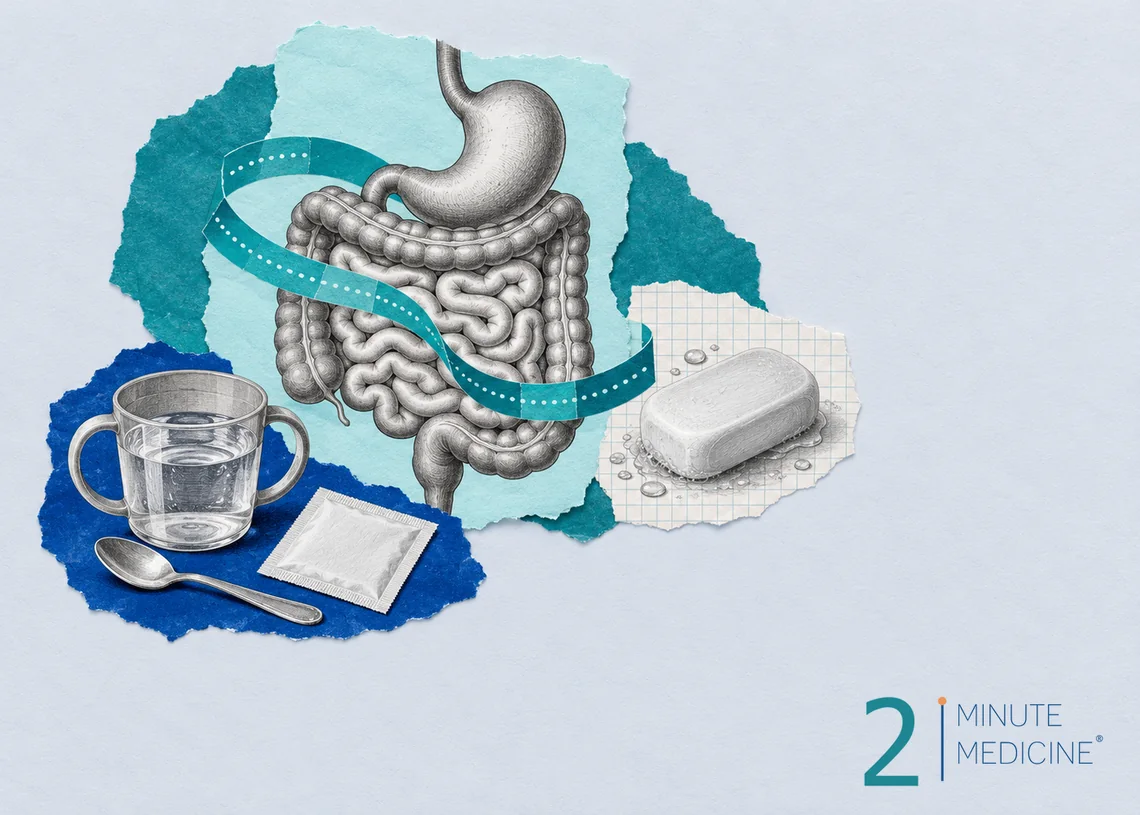
Gastroenteritis in children is a gut infection that brings on diarrhea, vomiting or both. Most people call it a stomach bug or stomach flu, though it isn’t related to influenza. Viruses cause most cases, and most children get better at home within a week. Your main job is to keep your child drinking enough to prevent dehydration.
Key points
- Viruses such as norovirus and rotavirus cause most cases. Bacteria and parasites cause fewer.
- Small, frequent sips of an oral rehydration solution are the best treatment for a child who is losing fluids.
- Restart normal food once vomiting settles. Keep breastfeeding or giving regular formula.
- Antibiotics don’t help viral infections, and anti-diarrhea medicines aren’t for young children.
- Watch for dehydration: peeing much less, a dry mouth, no tears, or unusual sleepiness.
What causes gastroenteritis in children
Doctors may call it acute gastroenteritis or enteritis. The germs spread through unwashed hands, shared toys and surfaces, and food or water that carries them. Young children touch everything and put their hands in their mouths, so the infection moves quickly through families and daycares.
- Norovirus is the most common cause of sudden outbreaks. It brings on vomiting fast and spreads easily, even from tiny amounts of vomit or stool.
- Rotavirus used to be the leading cause of severe diarrhea in babies. The rotavirus vaccine, given as drops by mouth in the first months of life, has made it much less common.
- Other viruses, such as adenovirus, astrovirus and sapovirus, cause milder illness.
- Bacteria such as Salmonella, Campylobacter, Shigella and some types of E. coli come from undercooked poultry, eggs or ground beef, raw milk, and contact with reptiles or backyard chickens. Bacteria can inflame the colon (infectious colitis), causing bloody diarrhea, high fever and strong belly cramps.
- Parasites such as Giardia and Cryptosporidium can come from lakes, pools or untreated water. Diarrhea from parasites often lasts longer.
Symptoms
- Sudden vomiting, often the first sign, which usually eases within a day or two
- Watery diarrhea, sometimes many times a day. Yellow, green or light brown watery stool is common because food moves through so quickly.
- Belly cramps and nausea
- A low-grade fever, or no fever at all
- Poor appetite, tiredness, headache or body aches
Diarrhea usually lasts 3 to 7 days, though it can drag on for up to two weeks. Blood in the stool, a high fever or severe belly pain point toward bacteria or another cause and need a doctor’s visit.
Signs of dehydration
Babies and toddlers lose fluid faster than older children and adults. Look for:
- Peeing much less than usual, or a dry diaper for 6 hours or more in a baby
- A dry, sticky mouth and no tears when crying
- Sunken eyes, or a sunken soft spot on top of a baby’s head
- Unusual sleepiness, fussiness or floppiness
- Cool, pale or blotchy hands and feet
How gastroenteritis in children is treated
Fluids first
- Use an oral rehydration solution from a pharmacy, such as Pedialyte or a store brand. It has the right mix of salt and sugar to replace what’s lost.
- Give small amounts often, such as a teaspoon every few minutes from a spoon, syringe or cup. Slowly give more as your child keeps it down.
- After a bout of vomiting, wait about 15 to 30 minutes, then start small sips again.
- Skip soda, sports drinks and full-strength juice. They have too much sugar and too little salt and can make diarrhea worse. For an older child with mild illness who isn’t dehydrated, watered-down apple juice is a reasonable choice.
- Keep breastfeeding, and give extra feeds. Formula doesn’t need to be watered down.
Food
Offer your child’s usual foods as soon as they’re hungry, even if diarrhea continues. Eating helps the gut heal. The old BRAT diet (bananas, rice, applesauce and toast) is fine for a meal or two, but children need more nutrition than it gives. Go easy on very sweet or greasy foods.
Medicines
- Anti-nausea medicine. In a clinic or emergency department, a single dose of ondansetron can stop vomiting long enough for a child to drink.
- Fever and aches. Acetaminophen can help. Use ibuprofen only if your child is drinking well. Never give aspirin to children or teens.
- Medicines to avoid. Don’t give loperamide (Imodium) to young children unless a doctor advises it. Bismuth subsalicylate (Pepto-Bismol) contains a relative of aspirin and isn’t recommended for children.
- Antibiotics are used only for some bacterial or parasite infections, based on stool tests. Most Salmonella infections in healthy children clear without them.
- Probiotics have mostly not shown a clear benefit in large studies of children.
A child who is badly dehydrated or can’t keep anything down may need fluids through a vein (IV) or a thin tube through the nose.
Preventing the spread
- Wash hands with soap and water after diaper changes and bathroom trips, and before eating or cooking. Hand sanitizer works poorly against norovirus.
- Clean up vomit and diarrhea right away and wipe surfaces with a bleach-based cleaner.
- Wash soiled clothes and bedding in hot water.
- Keep your child home until there’s been no vomiting or fever for at least 24 hours and diarrhea can stay in a diaper or toilet. Some childcare centers ask for 48 hours.
- Make sure your baby gets the rotavirus vaccine on schedule.
- Cook poultry, eggs and ground meat fully, avoid raw milk, and wash hands after touching reptiles or backyard chickens.
When to call your child’s doctor
- Your baby is under 6 months old and has vomiting or diarrhea
- Any sign of dehydration
- Vomiting that keeps your child from holding down fluids for several hours
- Blood or mucus in the stool, or black stool
- A fever of 102°F (39°C) or higher, or any fever in a baby under 3 months
- Diarrhea lasting more than a week
- Your child has a long-term health condition or a weak immune system
Get emergency care if your child is very sleepy or hard to wake, hasn’t peed in 8 hours or more, vomits green or bloody fluid, has severe or constant belly pain, or has a swollen, hard belly. Call 911 if your child won’t respond.
Common questions about gastroenteritis in children
How long is a stomach bug contagious?
A child is most contagious while vomiting or having diarrhea and for a couple of days after. Norovirus and some other germs can stay in stool for two weeks or more, so careful handwashing should continue after your child feels better. Don’t let a sick child help prepare food for others.
Is yellow watery diarrhea normal with a stomach bug?
Yes, yellow or green watery diarrhea is common with viral gastroenteritis, in children and adults. Stool moves through the gut too fast for its usual brown color to develop. Call a doctor if the stool contains blood, looks black, or diarrhea lasts more than a week.
How do you get rid of salmonella?
Most healthy children and adults get over Salmonella in about 4 to 7 days with fluids and rest. Antibiotics can make some people carry the germ longer, so they’re saved for babies, people with weak immune systems and severe cases. A stool test confirms the cause.
Can adults catch gastroenteritis from a child?
Yes. The same viruses infect adults, and norovirus often spreads through a whole household within days. Adults are treated the same way, with plenty of fluids. Healthy adults without fever or bloody stool can usually use loperamide for a day or two to ease diarrhea.
Questions to ask your doctor
- How much fluid should my child drink each hour?
- Does my child need a stool test?
- When can my child go back to daycare or school?
- Which signs mean I should bring my child back?
- Is my child up to date on the rotavirus vaccine?
Learn more
- Gastroenteritis (stomach flu) (MedlinePlus, U.S. National Library of Medicine)
- About rotavirus (Centers for Disease Control and Prevention)
This guide is general information and doesn’t replace advice from your own doctor. Last updated October 2026.






 Get the app