

Patient Basics: HIV/AIDS
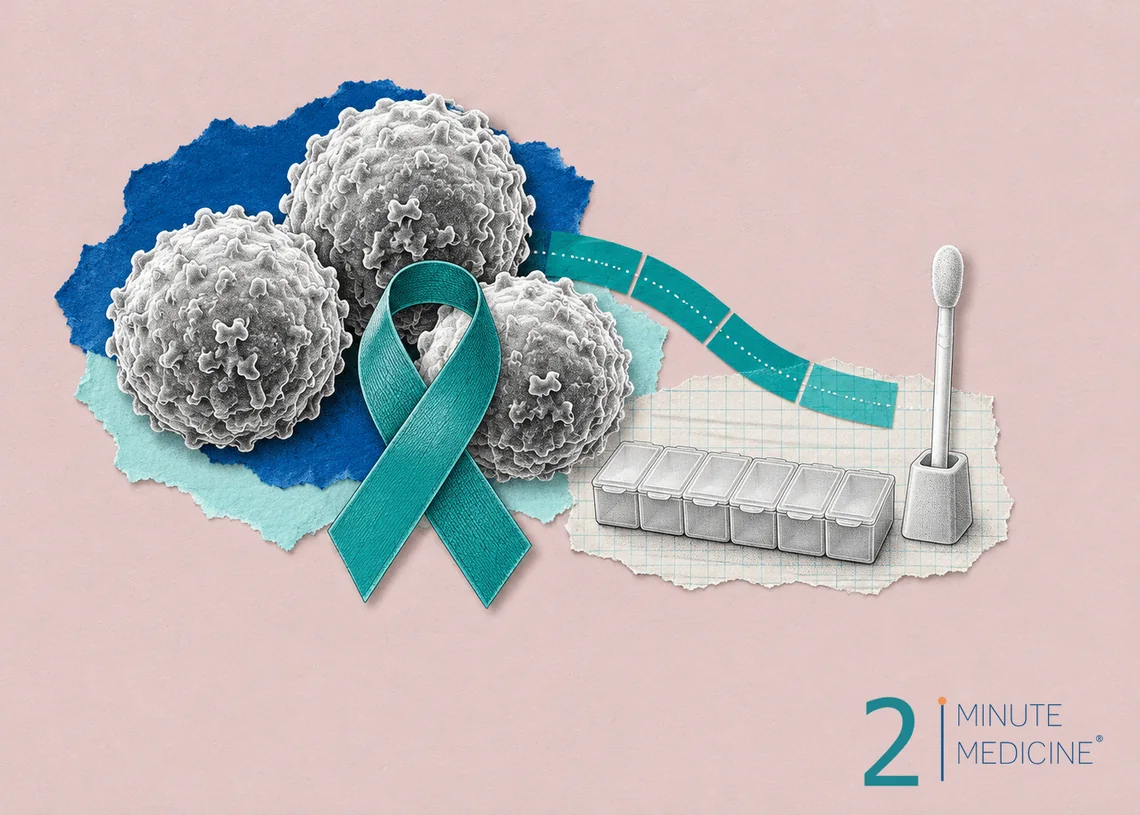
HIV (human immunodeficiency virus) is a virus that damages the immune system, and AIDS (acquired immunodeficiency syndrome) is its most serious stage, which is why people often write HIV/AIDS. Without treatment, HIV slowly destroys the white blood cells that fight infection, and AIDS can follow years later. Today, a person who is diagnosed early and takes HIV medicine every day can expect a long, healthy life and will not pass the virus to sex partners.
Key points
- HIV spreads through blood, semen, vaginal and rectal fluids, and breast milk. It doesn’t spread through kissing, hugging, sharing food or toilet seats.
- Many people have no symptoms for years. A test is the only way to know.
- Everyone aged 13 to 64 should be tested at least once. People at higher risk should test more often.
- Treatment can lower the virus until tests can’t detect it. At that point, HIV is not passed on through sex.
- PrEP (medicine taken before exposure) and PEP (medicine taken soon after) prevent infection.
What HIV and AIDS do to the body
HIV infects CD4 cells, a type of white blood cell that directs the immune system. The virus makes copies of itself inside these cells and kills them. Over time, CD4 counts fall and the body has trouble fighting germs it would normally control.
Doctors diagnose AIDS when the CD4 count drops below 200 (a healthy count is roughly 500 to 1,500), or when a person gets certain serious infections or cancers. Treatment can rebuild the immune system, even after AIDS.
How you get HIV
- Anal or vaginal sex without a condom or HIV prevention medicine. Anal sex carries the highest risk.
- Sharing needles, syringes or other drug equipment
- From parent to baby during pregnancy, birth or breastfeeding, if the parent’s HIV isn’t treated
- Rarely, through needle-stick injuries at work
Oral sex carries very little risk. In the US, donated blood is tested, so the risk from a transfusion is extremely low. HIV doesn’t spread through saliva, tears, sweat, mosquito bites, shared dishes, swimming pools or casual contact.
Signs and symptoms of HIV/AIDS
Early HIV. Two to four weeks after infection, many people get a flu-like illness called acute HIV. It can cause fever, sore throat, a rash of small red spots on the upper body, swollen glands, muscle aches, mouth sores and tiredness. These symptoms fade within a few weeks, and many people never notice them.
Chronic HIV. The virus then stays active for years, often without symptoms, while the immune system weakens.
AIDS. Once the immune system is badly damaged, people with AIDS may have:
- Weight loss, night sweats, fevers and deep tiredness
- Diarrhea that lasts for weeks, and swollen glands
- Thrush (a yeast infection in the mouth or throat) or shingles
- Infections that rarely harm healthy people, such as a type of pneumonia called PCP, tuberculosis, or infections of the brain or eyes
- Some cancers, such as Kaposi sarcoma, which causes purple or dark patches on the skin, and lymphoma
- Memory and thinking problems
Getting tested
The CDC advises everyone aged 13 to 64 to get an HIV test at least once as part of routine care. Test at least once a year if you have a new sex partner, more than one partner, a partner with HIV, a recent sexually transmitted infection (STI), or if you inject drugs. Some gay and bisexual men benefit from testing every 3 to 6 months. Everyone who is pregnant should be tested.
- Lab tests from a blood draw can usually find HIV 18 to 45 days after exposure.
- Rapid tests using a finger prick or mouth swab give results in under 30 minutes. They can take longer after exposure to turn positive.
- Home tests are sold in pharmacies and online. Clinics and health departments often offer free tests.
A positive rapid or home test needs a follow-up lab test to confirm it. If you test negative but were exposed recently, test again later.
How HIV/AIDS is treated
HIV treatment is called antiretroviral therapy (ART). It is a mix of medicines that stops the virus from making copies of itself. Doctors advise starting as soon as possible after diagnosis, often the same week.
- Most people take a single pill once a day that combines two or three medicines, such as bictegravir, emtricitabine and tenofovir alafenamide (Biktarvy).
- Some people who already have the virus under control can switch to shots of cabotegravir and rilpivirine every one or two months.
- Blood tests check the viral load (how much virus is in the blood) and the CD4 count.
Most people reach an undetectable viral load within six months. Staying undetectable keeps you healthy and means you can’t pass HIV to a partner through sex. This is often called “Undetectable = Untransmittable,” or U=U. Missing doses lets the virus grow back and can make it resistant to medicines.
People with a low CD4 count may also take medicines to prevent certain infections until their count recovers.
Prevention
- Condoms used every time lower the risk of HIV and other STIs.
- PrEP (pre-exposure prophylaxis). Daily pills, a shot of cabotegravir every two months, or a shot of lenacapavir twice a year. Taken as prescribed, PrEP lowers the risk of getting HIV from sex by about 99%.
- PEP (post-exposure prophylaxis). If you may have been exposed, start PEP within 72 hours, sooner if you can. You take it for 28 days. Go to an emergency room, urgent care or clinic and ask for it.
- Sterile needles. If you inject drugs, use new needles and equipment every time. Many areas have syringe services programs.
- Treatment during pregnancy lowers the chance of passing HIV to the baby to 1% or less. If you have HIV and want to breastfeed, talk with your care team about the safest plan.
Living with HIV
About 1.2 million people in the US have HIV. With regular care, they work, have families and grow old. Good care includes:
- Taking your medicine every day and keeping lab visits
- Staying up to date on vaccines
- Screening for heart disease, cancer, kidney and bone problems as you age
- Support for your mental health. Help is available any time from the 988 Suicide & Crisis Lifeline (call or text 988).
If cost is a barrier, the federal Ryan White HIV/AIDS Program and drug company assistance programs can help pay for care and medicines.
When to see a doctor
- You think you were exposed to HIV in the last 72 hours. Ask for PEP right away.
- You have flu-like symptoms a few weeks after a possible exposure.
- You want to start PrEP or get tested.
- You have HIV and get a fever, a new cough, shortness of breath, a bad headache or weight loss.
Common questions about HIV/AIDS
What is the difference between HIV and AIDS?
HIV is the virus, and AIDS is the late stage of HIV infection. Doctors diagnose AIDS when the CD4 count falls below 200 or certain serious infections or cancers appear. Not everyone with HIV gets AIDS, and most people who start treatment early never do.
How long does it take for HIV to turn into AIDS?
Without treatment, HIV usually takes about 10 years to become AIDS, though it can happen faster. With daily treatment, most people never reach that stage. Even after an AIDS diagnosis, treatment can raise the CD4 count and bring back much of the body’s ability to fight infection.
Is there a cure for HIV?
Not yet. Treatment can’t clear HIV from the body, but it can keep the virus so low that it does no harm and can’t pass to partners through sex. A few people have been cured after stem cell transplants for cancer, but that treatment is far too risky for general use.
Questions to ask your doctor
- Which HIV test is right for me, and when should I test again?
- Would PrEP be a good choice for me?
- Which treatment do you recommend, and what are the side effects?
- How often will I need blood tests?
- How can I tell my partners, and should they be tested?
Learn more
- About HIV (Centers for Disease Control and Prevention)
- HIV (MedlinePlus, U.S. National Library of Medicine)
This guide is general information and doesn’t replace advice from your own doctor. Last updated October 2026.
RelatedReports







 Get the app