

Patient Basics: Secondary Hypertension
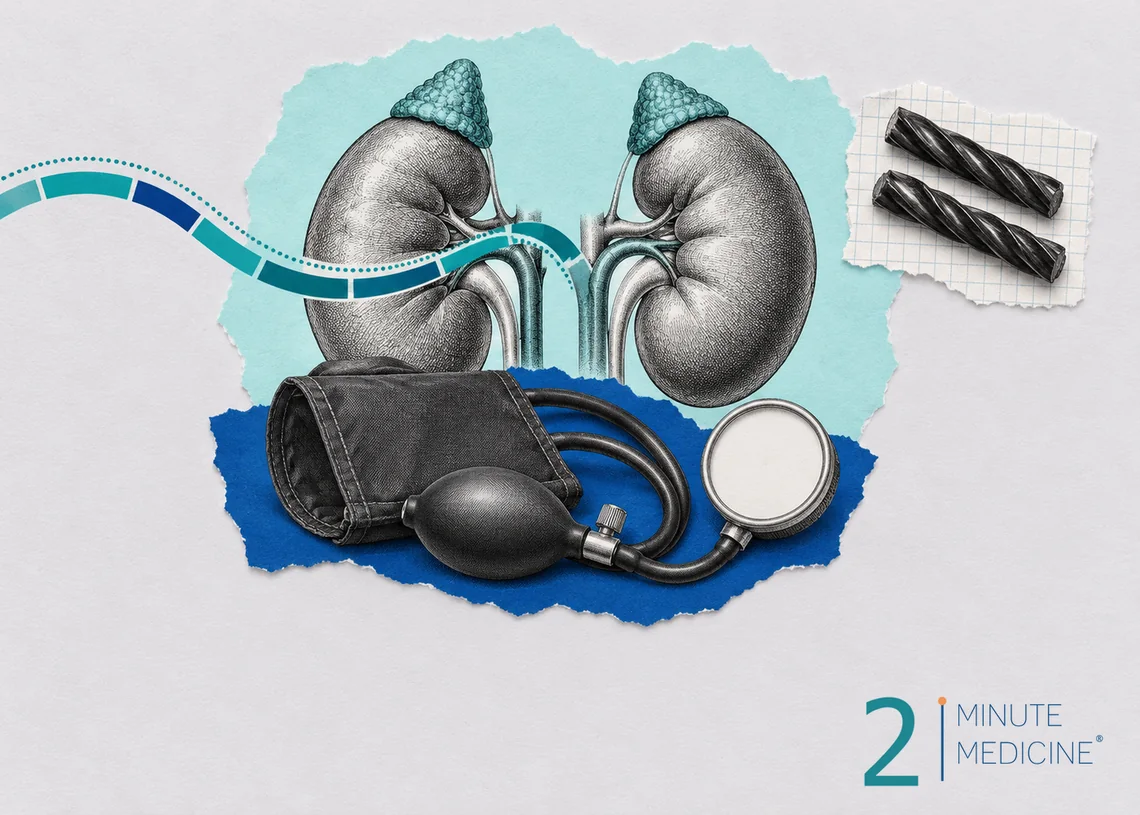
Secondary hypertension is high blood pressure caused by another health problem, such as a kidney or hormone disorder, a narrowed artery, sleep apnea or a medicine. It accounts for roughly 1 in 10 cases of high blood pressure. Finding the cause matters, because treating it can bring blood pressure down and sometimes back to normal.
Key points
- Most high blood pressure (primary or essential hypertension) has no single cause. Secondary hypertension has a specific one.
- Clues include high blood pressure at a young age, very high or sudden high readings, or blood pressure that stays high on three or more medicines.
- Common causes are kidney disease, an adrenal gland making too much of the hormone aldosterone, sleep apnea and certain medicines.
- Blood and urine tests are the first step. Scans and other tests depend on what your doctor suspects.
- Many people still need blood pressure medicine after the cause is treated, but often less of it.
When doctors suspect secondary hypertension
Your doctor may look for a hidden cause if:
- High blood pressure starts before age 30, especially if you’re not overweight and no one in your family has it
- It starts suddenly, or blood pressure that was well controlled becomes hard to control
- It stays high even though you take three or more blood pressure medicines, including a water pill (resistant hypertension)
- Your potassium level is low
- Your kidney function drops after you start an ACE inhibitor or ARB blood pressure medicine
- You have spells of pounding headache, sweating and a racing heart
- You snore loudly, stop breathing in your sleep or feel very sleepy in the day
- A child or teen has high blood pressure
Before testing, your doctor will make sure the readings are right. A cuff that’s too small, nerves at the clinic, missed doses and salty food can all make blood pressure look worse than it is. Home readings or a 24-hour monitor help confirm it.
Causes of secondary hypertension
- Kidney disease. Damaged kidneys hold on to salt and water and release hormones that raise blood pressure. This is the most common cause overall.
- Primary aldosteronism. One or both adrenal glands, which sit on top of the kidneys, make too much aldosterone. This hormone makes the body keep salt and lose potassium. It is more common than doctors once thought, especially in people with hard-to-control blood pressure.
- Narrowed kidney arteries. When less blood reaches a kidney, it sends out signals that push blood pressure up. Doctors call this renovascular hypertension. In older adults the cause is usually plaque. In younger women it’s often fibromuscular dysplasia, where artery walls grow unevenly.
- Obstructive sleep apnea. Repeated pauses in breathing at night strain the heart and blood vessels.
- Medicines and other substances. Pain pills such as ibuprofen and naproxen can raise blood pressure. So can cold pills with decongestants, birth control pills with estrogen, steroids, some antidepressants and ADHD drugs. Some drugs used after a transplant or for cancer do it too. Heavy drinking, cocaine, amphetamines and lots of black licorice can also be to blame.
- Thyroid and parathyroid problems. Both an overactive and an underactive thyroid can raise blood pressure, and so can high calcium from overactive parathyroid glands.
- Cushing’s syndrome. Too much of the stress hormone cortisol, from a tumor or from long-term steroid use, also causes weight gain in the face and belly, purple stretch marks and easy bruising.
- Pheochromocytoma. A rare adrenal tumor releases bursts of adrenaline, causing spells of high blood pressure, headache, sweating and a pounding heart.
- Coarctation of the aorta. A narrowing of the body’s main artery that’s present from birth. Blood pressure is higher in the arms than in the legs. It’s usually found in children or young adults.
How secondary hypertension is diagnosed
Your doctor will ask about your symptoms, family history and every medicine and supplement you take. The exam includes blood pressure in both arms, pulses in your legs, and listening over your belly for a whooshing sound from a narrowed artery.
First tests often include:
- Blood tests for kidney function, potassium, sodium, blood sugar, calcium and thyroid hormone
- A urine test for protein or blood
- Aldosterone and renin levels, a blood test that screens for primary aldosteronism
Based on the results, you may need more tests:
- An ultrasound of the kidneys and their arteries, or a CT or MRI scan
- Blood or urine tests for adrenaline-type hormones (metanephrines) or extra cortisol
- A sleep study, at home or overnight in a lab
- An ultrasound of the heart (echocardiogram)
How secondary hypertension is treated
Treatment aims at the cause:
- Medicine-related. Stopping or switching the drug often brings blood pressure down within weeks. Don’t stop a prescription on your own.
- Primary aldosteronism. If only one adrenal gland is to blame, removing it by keyhole surgery can lower blood pressure a lot. If both glands are involved, medicines that block aldosterone, such as spironolactone or eplerenone, work well.
- Narrowed kidney artery. When fibromuscular dysplasia is the cause, a doctor can often widen the artery with a tiny balloon (angioplasty). Narrowing from plaque is usually treated with medicines, including a statin. A stent is used only in certain cases.
- Sleep apnea. A CPAP machine, which keeps the airway open with gentle air pressure, can lower blood pressure, mostly in people who use it every night.
- Tumors. A pheochromocytoma or a tumor causing Cushing’s syndrome is usually removed with surgery.
- Coarctation. It’s repaired with surgery or a balloon and stent.
- Kidney disease. Blood pressure medicines, often an ACE inhibitor or ARB, plus treating the cause of the kidney damage.
Healthy habits help with every type: less salt, more fruits and vegetables, regular activity, limiting alcohol and not smoking.
When to see a doctor
- Your blood pressure stays high even though you take your medicines
- You were diagnosed with high blood pressure before age 30
- You have spells of headache, sweating and a pounding heart
- Your home readings suddenly rise
Call 911 if your blood pressure is 180/120 or higher and you have chest pain, shortness of breath, back pain, weakness or numbness, trouble speaking, or changes in vision.
Common questions about secondary hypertension
What’s the difference between primary and secondary hypertension?
Primary hypertension develops slowly over years from a mix of genes, age, weight, salt and other habits, with no single cause. It makes up about 9 in 10 cases. Secondary hypertension has one cause you can point to, such as kidney disease or an adrenal problem. That cause can often be treated directly.
Can secondary hypertension be cured?
Sometimes. Stopping a drug that raises blood pressure, removing an adrenal tumor or fixing a narrowed artery can bring blood pressure back to normal. If high blood pressure lasted for years first, the blood vessels may have stiffened, so some medicine is often still needed, usually at a lower dose.
Is secondary hypertension more common in young people?
Yes. A hidden cause is more likely when high blood pressure appears in children, teens and adults under 30. In children, kidney problems and coarctation of the aorta are common causes. That’s why young people with high blood pressure usually get more testing than older adults.
Questions to ask your doctor
- Could something specific be causing my high blood pressure?
- Should I be tested for primary aldosteronism?
- Could any of my medicines or supplements be raising my blood pressure?
- Do I need a sleep study?
- If the cause is treated, will I still need blood pressure medicine?
Learn more
- High blood pressure: causes and risk factors (National Heart, Lung, and Blood Institute)
- Renovascular hypertension (MedlinePlus, U.S. National Library of Medicine)
This guide is general information and doesn’t replace advice from your own doctor. Last updated October 2026.






 Get the app