

Patient Basics: Video-Assisted Thoracic Surgery (VATS)
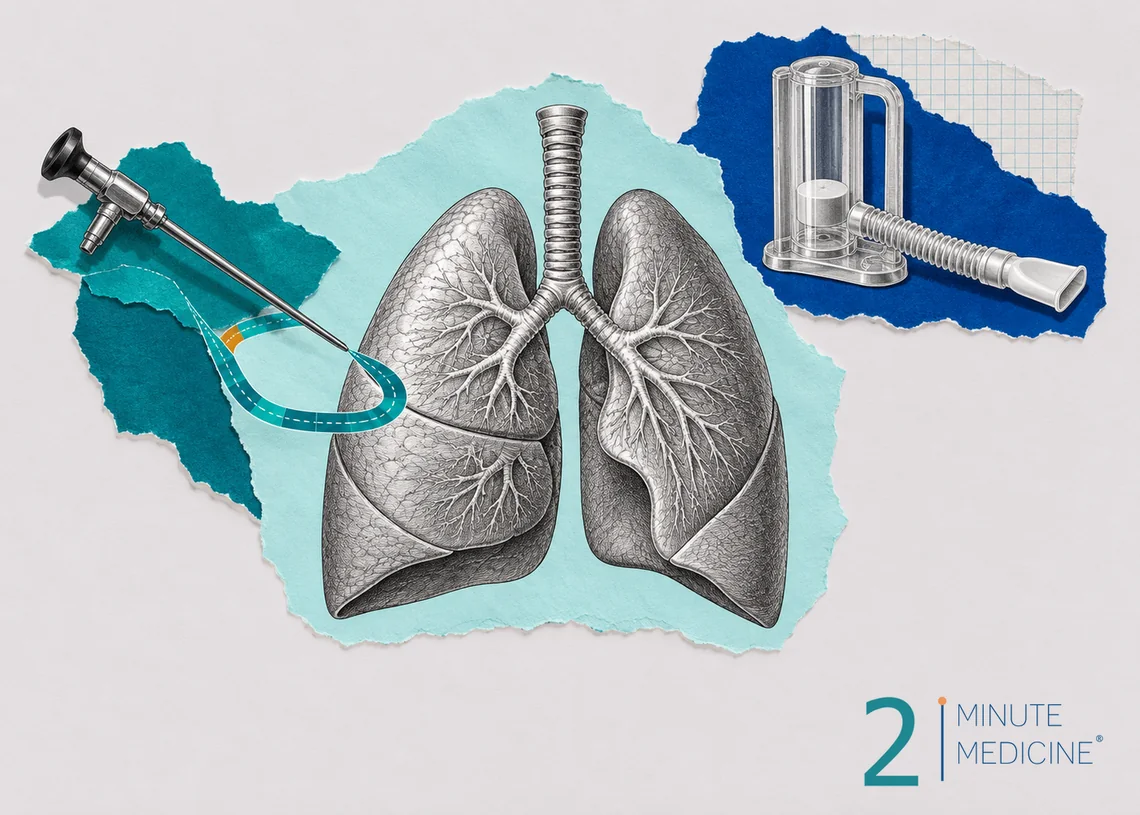
Video-assisted thoracic surgery (VATS) is chest surgery done through a few small cuts instead of one long one. The surgeon slips a thin camera (a thoracoscope) and narrow instruments between the ribs and works while watching a video screen. Compared with open chest surgery, VATS usually means less pain, a shorter hospital stay and a quicker return to everyday life.
Key points
- VATS is used to biopsy or remove part of a lung, treat a collapsed lung, and clear fluid or infection around the lung.
- You are fully asleep, and the operation usually takes 1 to 4 hours.
- Most people go home 1 to 4 days later, after the chest tube comes out.
- The most common problem afterward is air leaking from the lung for a few days.
- Sometimes the surgeon has to switch to a larger open operation for safety.
Why VATS is done
- To diagnose a problem. The surgeon can take tissue from a lung spot (nodule), lymph nodes or the lining around the lung when other tests haven’t given an answer.
- Lung cancer. VATS can remove a small wedge of lung, a segment, or a whole lobe (a lobectomy), along with nearby lymph nodes.
- A collapsed lung that keeps coming back. The surgeon removes small air blisters on the lung and makes the lung stick to the chest wall so it can’t collapse again.
- Fluid or infection around the lung. VATS can drain fluid or pus, peel away thick scar tissue, or apply talc to stop fluid from coming back.
- Other chest problems. These include removing the thymus gland or a growth in the middle of the chest, some surgery on the food pipe, and treating severe hand sweating.
Robotic-assisted chest surgery is a close cousin of VATS. It also uses small cuts and a camera, but the surgeon controls robotic arms from a console. Not everyone can have VATS. A very large tumor or heavy scarring from past surgery may call for an open operation.
Getting ready for VATS
- Tests. You may have a CT or PET-CT scan, breathing tests, blood tests and a heart tracing (ECG).
- Stop smoking as soon as you can. Even a few weeks off cigarettes helps your lungs heal and lowers the chance of pneumonia.
- Review your medicines. Tell your team about blood thinners, aspirin, diabetes medicines, weekly weight-loss or diabetes shots, and supplements such as fish oil. Some need to be paused before surgery.
- Follow fasting rules. You will be told when to stop eating and drinking, often at midnight.
- Practice breathing exercises. You may be given a breathing device (an incentive spirometer) to use before and after surgery.
- Plan ahead. Arrange a ride home and some help for the first week.
During the surgery
- You get general anesthesia. A special breathing tube lets the lung on the side being operated on go flat, so the surgeon has room to work.
- You lie on your side. The surgeon makes one to four small cuts, each about half an inch to 2 inches long, between the ribs.
- The camera sends a magnified picture to a screen. Thin instruments pass through the other cuts. Any tissue removed comes out through one cut, usually inside a small bag.
- Unlike open surgery, the ribs are not spread apart. Many surgeons also inject long-acting numbing medicine around the rib nerves to ease pain later.
- At the end, the lung is reinflated and a chest tube is left in place to drain air and fluid.
If there is heavy bleeding, thick scar tissue or a larger tumor than expected, the surgeon may switch to an open operation (a thoracotomy).
Recovery after VATS
In the hospital
- The chest tube connects to a drainage box. It comes out when air stops leaking and drainage slows, often after 1 to 3 days.
- Pain is treated with a mix of medicines, such as acetaminophen, anti-inflammatory pills and small doses of opioids.
- Use the breathing device about 10 times an hour while awake. Hug a pillow against your chest when you cough.
- Expect to walk the same day or the next morning.
At home
- Feeling tired for a few weeks is normal.
- Soreness, numbness or tingling along the ribs near the cuts can last weeks to a few months.
- Keep the cuts clean and dry. Shower when your surgeon says it’s OK, but skip baths and swimming until they heal.
- Avoid heavy lifting for a few weeks.
- Don’t drive while taking opioid pain medicine or until you can turn easily.
- Many people go back to desk work in 1 to 3 weeks and to physical work in about 4 to 6 weeks.
- Ask before flying, especially after surgery for a collapsed lung.
After part of a lung is removed, a lung rehab program can help you build back strength and stamina.
Possible risks
- Air leaking from the lung for more than a few days, which keeps the chest tube in longer
- Bleeding, wound infection or pneumonia
- An irregular heartbeat (atrial fibrillation), usually short-lived
- Blood clots in the legs or lungs
- Long-lasting pain or numbness in the chest wall
- Shortness of breath, depending on how much lung was removed
Serious problems are less common than after open chest surgery. Your surgeon can tell you your own risk based on your health and the operation planned.
Your results
Any tissue removed goes to a pathologist, who studies it under a microscope. Results usually take several days to two weeks. For lung cancer, the report shows the type of cancer, its size and whether lymph nodes are involved, which guides any further treatment.
When to call your doctor
- Fever of 101°F (38.3°C) or higher
- Redness, swelling, pus or more fluid from a cut or the old chest tube site
- Pain that your medicine doesn’t control
- A cough with yellow or green mucus
- Pain or swelling in one leg
Call 911 for sudden shortness of breath, chest pain, coughing up more than a streak of blood, or fainting.
Common questions about VATS
Is VATS major surgery?
Yes. Even though the cuts are small, VATS is done under general anesthesia and works on the lungs or other organs inside the chest. Compared with open chest surgery, people usually have less pain, fewer complications and a shorter hospital stay, but it still needs careful planning and a few weeks of recovery.
What is the difference between VATS and a thoracotomy?
A thoracotomy is open chest surgery through one long cut, often 6 inches or more, with the ribs spread apart. VATS uses a few small cuts and a camera, and the ribs stay in place. Both can do many of the same operations, and the choice depends on the problem and your health.
How painful is VATS?
Most people have moderate pain for the first week or two, which is usually controlled with a mix of medicines. Pain is generally less than after open surgery. Some people notice burning, numbness or tingling along the ribs for weeks or months as the nerves heal.
Questions to ask your doctor
- Why do you recommend VATS for me instead of open surgery or another test?
- How much lung tissue will you remove?
- How likely is it that you’ll need to switch to open surgery?
- How long will I be in the hospital, and when can I go back to work?
- When and how will I get my results?
Learn more
- Lung surgery (MedlinePlus, U.S. National Library of Medicine)
This guide is general information and doesn’t replace advice from your own doctor. Last updated October 2026.






 Get the app