• About
  • Masthead
  • License Content
  • Advertise
  • Submit Press Release
  • RSS/Email List
  • 2MM Podcast
  • Write for us
  • Contact Us
2 Minute Medicine
No Result
View All Result

No products in the cart.

SUBSCRIBE
  • Specialties
    • All Specialties, All Recent Reports
    • Cardiology
    • Chronic Disease
    • Dermatology
    • Emergency
    • Endocrinology
    • Gastroenterology
    • Imaging and Intervention
    • Infectious Disease
    • Nephrology
    • Neurology
    • Obstetrics
    • Oncology
    • Ophthalmology
    • Pediatrics
    • Pharma
    • Preclinical
    • Psychiatry
    • Public Health
    • Pulmonology
    • Rheumatology
    • Surgery
  • Tools
    • EvidencePulse™
    • RVU Search
    • NPI Registry Lookup
  • Pharma
  • AI News
  • The Scan+
  • Classics™+
    • 2MM+ Online Access
    • Paperback and Ebook
  • Rewinds
  • Partners
    • License Content
    • Submit Press Release
    • Advertise with Us
  • Account
    • Subscribe
    • Sign-in
    • My account
2 Minute Medicine
  • Specialties
    • All Specialties, All Recent Reports
    • Cardiology
    • Chronic Disease
    • Dermatology
    • Emergency
    • Endocrinology
    • Gastroenterology
    • Imaging and Intervention
    • Infectious Disease
    • Nephrology
    • Neurology
    • Obstetrics
    • Oncology
    • Ophthalmology
    • Pediatrics
    • Pharma
    • Preclinical
    • Psychiatry
    • Public Health
    • Pulmonology
    • Rheumatology
    • Surgery
  • Tools
    • EvidencePulse™
    • RVU Search
    • NPI Registry Lookup
  • Pharma
  • AI News
  • The Scan+
  • Classics™+
    • 2MM+ Online Access
    • Paperback and Ebook
  • Rewinds
  • Partners
    • License Content
    • Submit Press Release
    • Advertise with Us
  • Account
    • Subscribe
    • Sign-in
    • My account
SUBSCRIBE
2 Minute Medicine
Subscribe
Home All Specialties Emergency

Quality improvement intervention decreases time to antibiotics in children with intestinal failure and fever

byKate AndersonandLeah Carr, MD
October 24, 2017
in Emergency, Gastroenterology, Pediatrics
Reading Time: 3 mins read
0
Share on FacebookShare on Twitter

1. Increasing provider education and streamlining antibiotic order sets led to significantly decreased time to antibiotic administration in children with intestinal failure (IF) and fever in a quaternary pediatric emergency department (ED).

2. No significant difference was found in rates of mortality, hypoglycemia, or intensive care unit (ICU) and hospital length of service (LOS) time.

Study Rundown: High rates of bacteremia have been reported among pediatric patients with fever and IF, a condition that affects tens of thousands of children with short bowel syndrome (SBS) in the United States. Patients with bacteremia can quickly develop sepsis, which is linked to a significant of morbidity and mortality. Delayed antibiotic administration worsens outcomes for patients with sepsis. In order to reduce mean time to parenteral antibiotic administration among children with IF on parenteral nutrition (PN) who present with fever, investigators at large, freestanding children’s hospital designed a multi-faceted quality improvement (QI) intervention. The initiative focused on provider education and performance feedback, and triage and order entry simplification. Providers also looked at changes in rates of mortality, hypoglycemia, and ED, hospital and ICU LOS. Results showed a significant decrease in mean time to antibiotic administration after implementation of the QI modifications. LOS in the ED also decreased, but there was no significant change in rates of 30 day mortality, hypoglycemia, or hospital or ICU LOS. This study was conducted at a high resource, quaternary care setting, potentially limiting its generalizability. Furthermore, all interventions in this initiative were implemented simultaneously, making it difficult to determine which intervention(s) were responsible for the improvement. This study suggests low cost, low resource process modifications and education can lead to significant reductions in time to antibiotic administration in patients at high risk of critical illness. It will be important to continue to follow antibiotic administration time in this population to determine if these interventions and improvements are sustainable.

Click to read the study, published today in Pediatrics

 Relevant reading: Impact of time to antibiotics on survival in patients with severe sepsis or septic shock in whom early goal-directed therapy was initiated in the emergency department

In-depth [quality report]: Investigators in the ED at a quaternary care children’s hospital implemented several QI interventions to determine the effect on time to antibiotic administration in children with IF on PN who present to the ED. Interventions included improving staff awareness of the risks of bloodstream infections in patients with IF, simplifying order entry by creating an order set in the electronic medical system, altering the triage process and giving consistent feedback to providers involved. A total of 149 ED encounters were analyzed (pre-intervention n = 88, post-intervention n = 69). Overall, time to antibiotic administration decreased by 65.2% from a mean of 112 minutes to 39 minutes. Antibiotic variability also decreased after the QI interventions with more patients receiving piperacillin-tazobactam, per the hospital protocol (67% vs. 95.1%, p < 0.01). ED LOS also decreased from 286 to 247 minutes. No significant changes in rates of 30-day mortality, hypoglycemia during ED visit, hospital and ICU LOS, (p = 0.41, p = 0.24, p = 0.6, and p = 0.72 respectively) were noted. There was a significant increase in hypotension during ED stay from 5.7% of patients to 23% of patients (p = 0.002).

RELATED REPORTS

Fluoxetine may improve hemodynamic status and organ dysfunction in patients with severe sepsis

SOAP II Trial: Shaping Vasopressor Choice in Septic Shock

Neutrophil-to-lymphocyte ratio may be a useful marker of mortality in septic patients with liver cirrhosis

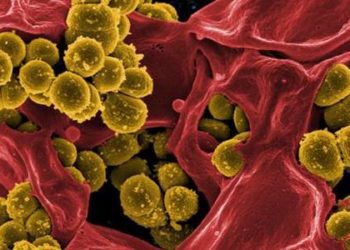
Image: CC/Wiki/Calleamanecer

©2017 2 Minute Medicine, Inc. All rights reserved. No works may be reproduced without expressed written consent from 2 Minute Medicine, Inc. Inquire about licensing here. No article should be construed as medical advice and is not intended as such by the authors or by 2 Minute Medicine, Inc.

Tags: quality improvement (QI)sepsisshort gut
Previous Post

Blood transfusions from ever-pregnant donors may increase mortality in male patients

Next Post

Lifestyle factors important in subsequent cardiovascular risk for women with gestational diabetes

RelatedReports

Obstetric scoring systems overestimate cases of severe sepsis
Infectious Disease

Fluoxetine may improve hemodynamic status and organ dysfunction in patients with severe sepsis

January 29, 2026
Adverse pregnancy outcomes associated with thrombophilias [Classics Series]
Career Development

SOAP II Trial: Shaping Vasopressor Choice in Septic Shock

October 6, 2025
Emergency

Neutrophil-to-lymphocyte ratio may be a useful marker of mortality in septic patients with liver cirrhosis

August 6, 2025
Emergency

Red cell distribution width to albumin ratio may be a useful prognostic marker in the critical care setting

July 28, 2025
Next Post
Late gestation antidepressant use linked to postpartum hemorrhage

Lifestyle factors important in subsequent cardiovascular risk for women with gestational diabetes

AAP supports mindfulness of children’s media consumption

Nevada gun shows linked to short-term increases in California firearm injuries and deaths

Positive parenting intervention may decrease child socioemotional problems

Prenatal pollution exposure linked to decreased telomere length

2 Minute Medicine® is an award winning, physician-run, expert medical media company. Our content is curated, written and edited by practicing health professionals who have clinical and scientific expertise in their field of reporting. Our editorial management team is comprised of highly-trained MD physicians. Join numerous brands, companies, and hospitals who trust our licensed content.

Recent Reports

  • Fluoxetine may improve hemodynamic status and organ dysfunction in patients with severe sepsis
  • Home longevity scales generate data that outruns clinical evidence
  • Perioperative esketamine may improve postoperative pain and mood outcomes after cesarean section
License Content
Terms of Use | Disclaimer
Cookie Policy
Privacy Statement (EU)
Disclaimer

© 2025 2 Minute Medicine, Inc. - Physician-written medical news.

  • Specialties
    • All Specialties, All Recent Reports
    • Cardiology
    • Chronic Disease
    • Dermatology
    • Emergency
    • Endocrinology
    • Gastroenterology
    • Imaging and Intervention
    • Infectious Disease
    • Nephrology
    • Neurology
    • Obstetrics
    • Oncology
    • Ophthalmology
    • Pediatrics
    • Pharma
    • Preclinical
    • Psychiatry
    • Public Health
    • Pulmonology
    • Rheumatology
    • Surgery
  • Tools
    • EvidencePulse™
    • RVU Search
    • NPI Registry Lookup
  • Pharma
  • AI News
  • The Scan
  • Classics™
    • 2MM+ Online Access
    • Paperback and Ebook
  • Rewinds
  • Partners
    • License Content
    • Submit Press Release
    • Advertise with Us
  • Account
    • Subscribe
    • Sign-in
    • My account
No Result
View All Result

© 2025 2 Minute Medicine, Inc. - Physician-written medical news.